Every second Russian will face a deepfake attack by the end of the year. An increase in the number of deepfake calls is expected in 2026. Attackers will use technology to speak to people in the voices of acquaintances.
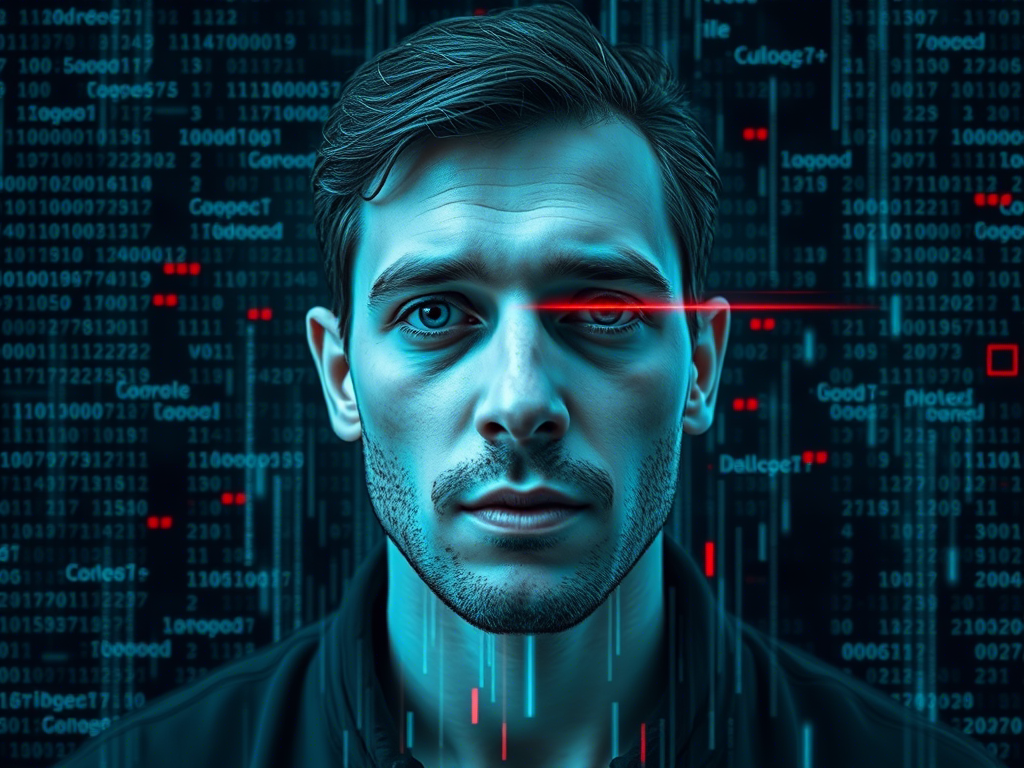
Just a couple of years ago, only 10% of Internet users faced such attacks, but by the end of this year, every second Russian may become a victim of deepfake attacks.
In 2024-2025, fraudsters actively used fake video and audio messages in messengers. They created videos and audio recordings that mimicked conversations with loved ones in trouble or with colleagues in need of help.
Experts note that in 2026, fraudsters will be able to create even more realistic deepfakes that will be difficult to distinguish from real conversations. This may lead to the fact that even experienced users will not be able to recognize a fake.
Video messages and voice messages in messengers are one of the most popular ways of communication, so they represent a potentially greater threat for use by fraudsters after calls. At the same time, unlike calls, which have caller IDs and other means of protection, voice messages and video messages do not have the ability to verify their source.
It is impossible to determine whether they were created inside the messenger or uploaded manually. Because of this, fraudsters actively use them, the MTS AI press service reported. The forgery of video and voice messages has already been used by attackers in 2024. But now the technologies for creating, modifying videos and cloning voices have advanced significantly.
Previously, creating convincing fakes took a lot of time and required serious skills. Now they can be created much faster and easier - almost anyone can master this process. Moreover, it is already difficult to distinguish fake photos, videos or voices from real ones, and in the future this task will become almost impossible.
Earlier, Kaspersky Lab named the most popularcyberattacks of the future. Fraudsters will use deepfakes in voice and video messages. They will also continue to create phishing emails and use banking Trojans. Companies must be vigilant to avoid becoming victims of attacks through trusted software vendors.
Read more on the topic:
Fraudsters started sending fake receipts for fines from traffic cameras
Fraud in online games: how to protect your accounts and money
Fraudsters started pulling off new schemes with "foreign cards" via Telegram
Never miss our newsAdd this site to your preferred sources to see us more oftenAdd on Google