Researchers at the Baikal Museum of the Siberian Branch of the Russian Academy of Sciences have managed to capture natural oil spills on the surface of Lake Baikal for the first time. The phenomenon was filmed during expeditionary work in the area of the village of Sukhaya.
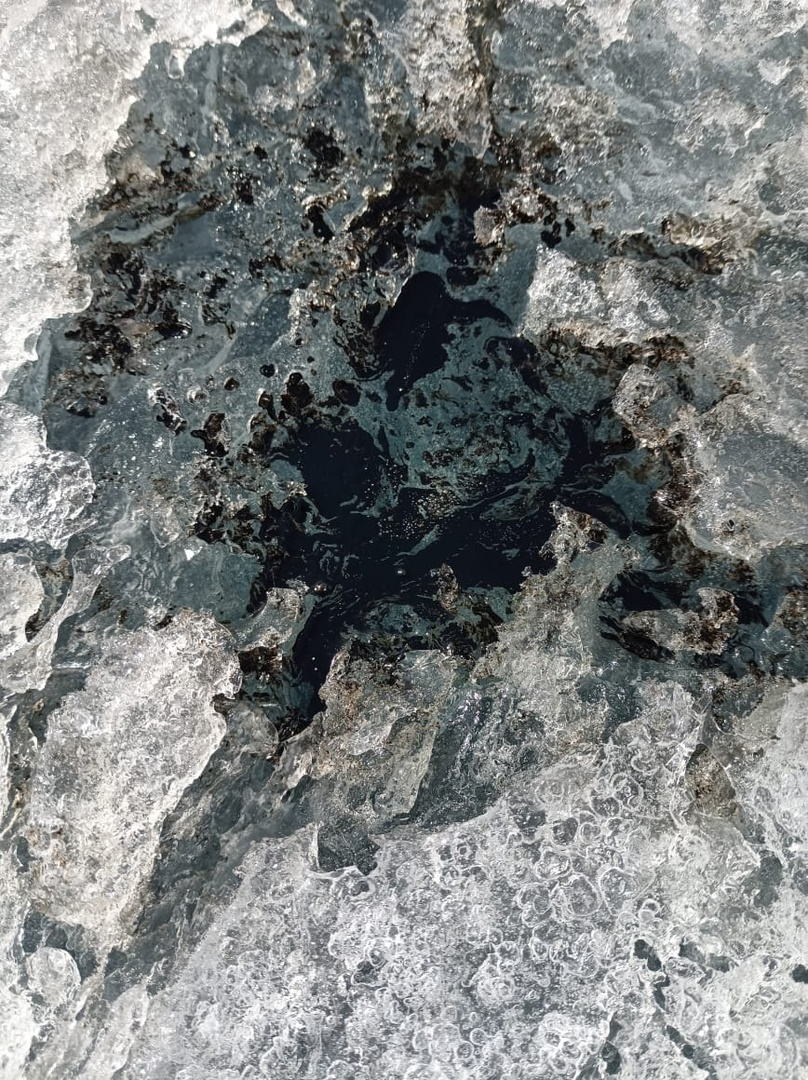
The phenomenon of natural oil outlets on Baikal has been known to scientists for a long time. It was first described by the naturalist Johann Georg Gmelin back in 1733. Only now, almost three centuries later, have researchers been able to capture this rare phenomenon on camera.
These natural oil outlets (about 4 tons per year) are not related to industrial production and represent a unique natural phenomenon that is being studied by scientists to understand the geological processes and ecology of Baikal.
Despite the presence of natural oil outlets, Baikal, a UNESCO World Heritage Site, remains one of the cleanest freshwater ecosystems in the world. Its waters are so clear that visibility underwater reaches 40 meters.
In 2025, observation of the natural phenomenon was complicated by an abnormally warm winter. The temperature exceeded the norm by 4-9 degrees, and in some places reached 12 degrees above normal. Because of this, the lake froze quite late.
Read more materials on the topic:
Scientists create a digital twin of Baikal to protect its ecosystem
AI creates "smart molecules" to increase oil production at fields in Russia
Will catch the fluctuation even at the bottom of Lake Baikal: an innovative ultra-precise device for measuring temperature has been developed
Never miss our newsAdd this site to your preferred sources to see us more oftenAdd on Google

















