Translated with AI from the Russian original.
The President of AvtoVAZ JSC, Maxim Sokolov, stated that it is not yet advisable to completely replace the Lada Granta with the new Lada Iskra model due to the continuing demand for it.
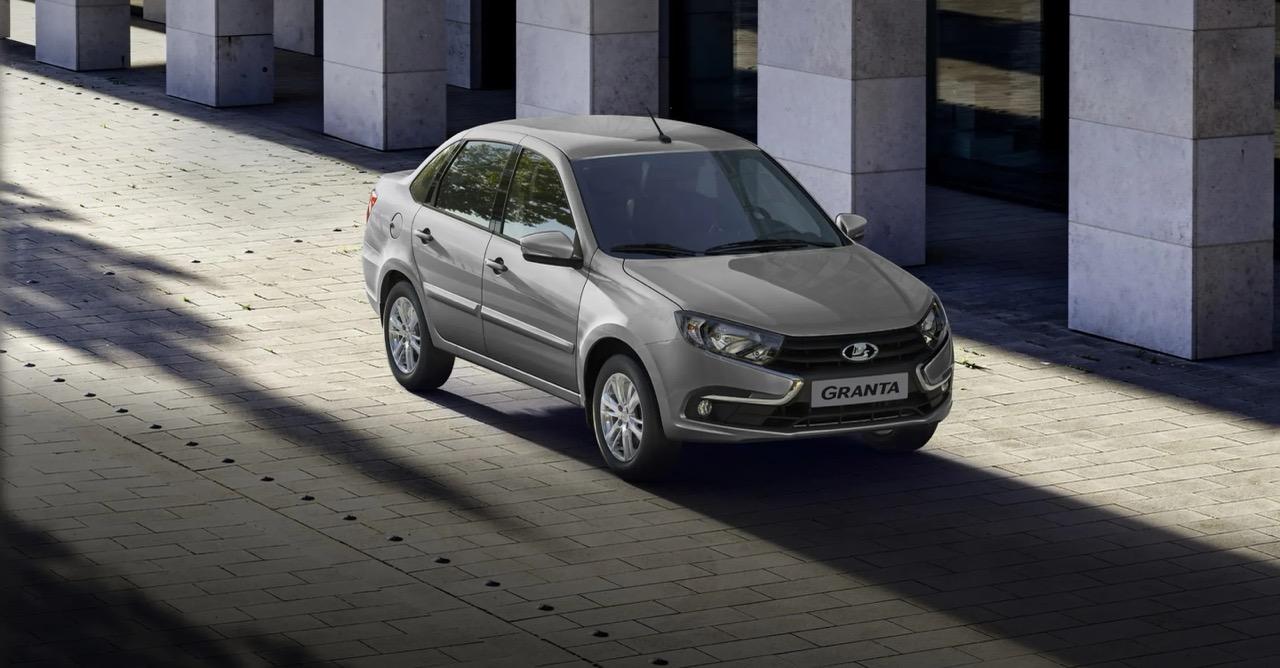
According to him, Granta remains a "hen that lays golden eggs", so AvtoVAZ will continue its production as long as customers buy it.
The production of Granta and Iskra will be balanced depending on market demand: Granta volumes will decrease only as the need for Iskra grows, while some modifications may be left only on new bodies.
Lada Granta remains the most popular budget car both in the domestic market and in exports. Among the key foreign destinations, Sokolov named Belarus, Uzbekistan and Kazakhstan, where AvtoVAZ seeks to restore pre-crisis sales figures.
In 2024, the plant produced 229 031 units of Granta (an increase of 13 %), of which 205 622 were sold (−0.2 %), providing the model with 12.2 % of the market.
Read more on the topic:
AvtoVAZ announced when it will stop producing the people's Lada Granta
Import substitution works: Lada Granta is equipped with a Russian engine control system controller
Old line - new cars: Lada Granta is now assembled on the Niva conveyor
Never miss our newsAdd this site to your preferred sources to see us more oftenAdd on Google

















