Translated with AI from the Russian original.
Specialists of the holding "Ruselectronics" (part of Rostec) have developed the first ultra-resistant photo modules on silicon crystals with a resolution of 4 MP. The product is designed for machine vision systems (the use of computer vision for machines and production) and video monitoring. This was reported by the press service of the state corporation.
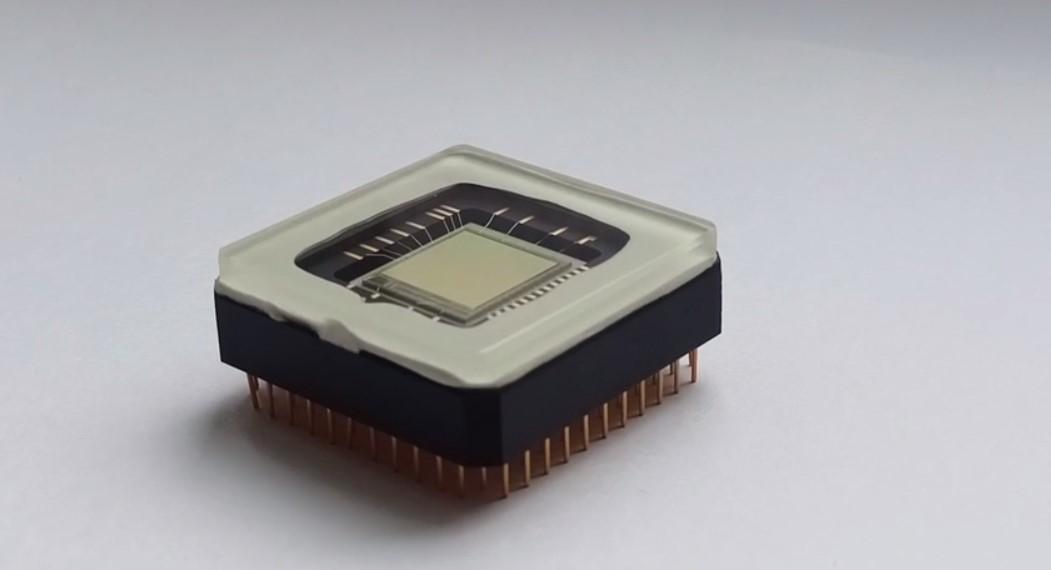
The photo modules are characterized by low power consumption and high speed. The products can be used in extreme climatic conditions.
The samples are created on the basis of the most common technology for constructing integrated circuits (CMOS with a technological standard of 180 nm).
The photo modules operate in the spectral range of 400-900 nm with a resolution of 2048×2048. The size of one pixel is 5.3×5.3 μm.
A prototype of the product will be presented at the Moscow exhibition "Photonics. World of Lasers and Optics-2025" in April. Serial production of photo modules will begin in 2026.
Read also on the topic:
Import substitution is in full swing: an installation for creating chips was developed at NIITM
Import substitution in action: microcircuits for wireless communication and navigation are being created at SevGU
A method for reducing the size of microcircuits has been developed in Russia
Never miss our newsAdd this site to your preferred sources to see us more oftenAdd on Google

















