Russian military personnel on the line of combat contact have begun to use an experimental machine gun developed by Grigory Nikitin and Yuri Sokolov. The weapon is also known as TKB-521 and EPN.
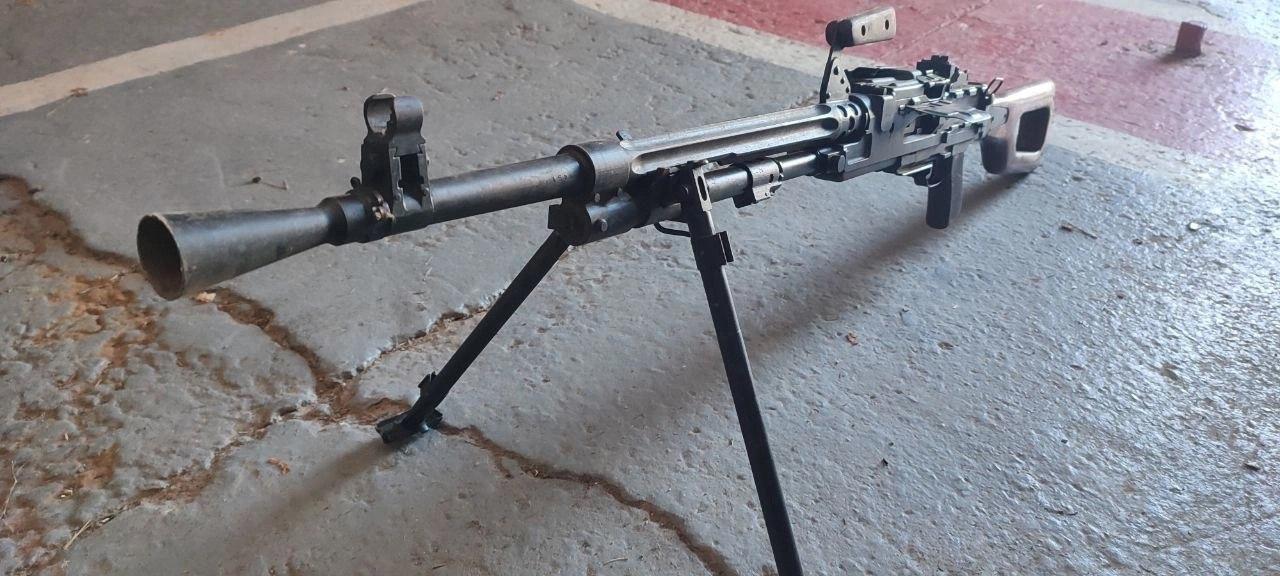
Work on the weapon was carried out in the 50s of the last century in the Tula TsKB-14 as part of a competition to create a single machine gun for the Soviet Army. The competitor was the Kalashnikov machine gun, which later became famous throughout the world.
During the tests, engineers identified shortcomings, but a number of technical solutions were successfully applied in subsequent developments. In total, about 1000 machine guns were produced and sent for storage.
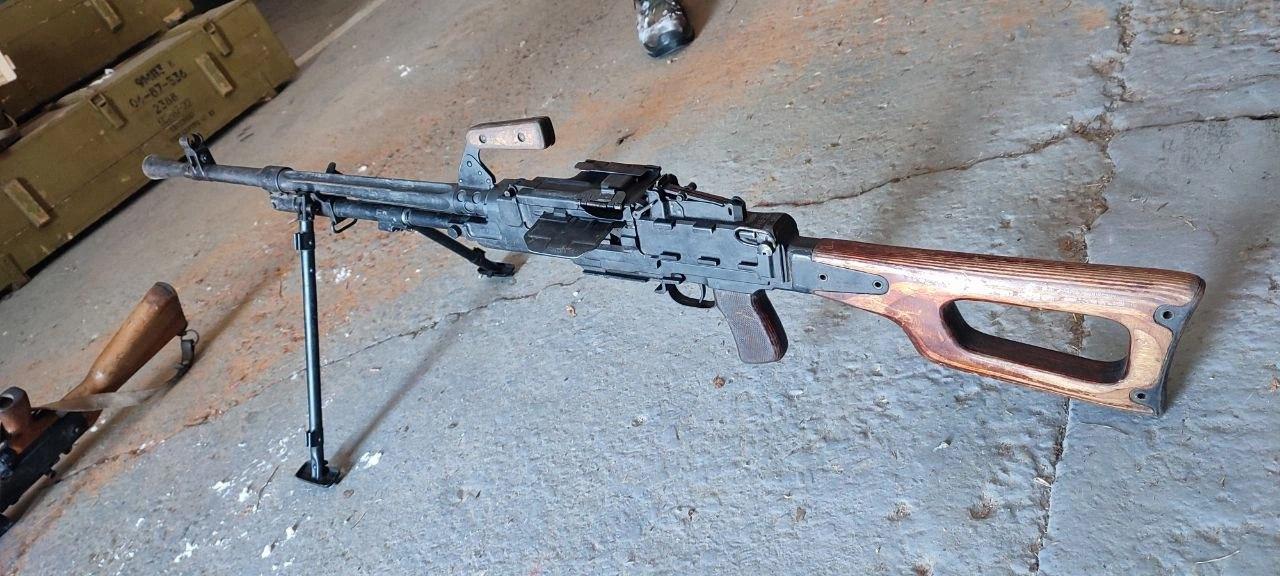
Characteristics of the Nikitin-Sokolov Machine Gun:
- Length - 1560 mm
- Barrel length - 1100 mm
- Weight - 25 kg
- Rate of fire - 800 rounds per minute
- Sighting range - 2000 m (for ground targets)
- Maximum firing range - 6000 m
- Feed - belt-fed, for 50 rounds (infantry) and 150 rounds (tank)
Earlier www1.ru reported that the Forpost-RU drone will receive small-sized radars for targeting Kalibrs and loitering munitions.
Read also:
The factor of the advantage of Russian fighters over F-16, Mirage 2000 and Eurofighter is named
Marines protected tanks from kamikaze drones thanks to a clever technical solution
His Airness "Admiral": UAV carrier of kamikaze drones developed for the military
Never miss our newsAdd this site to your preferred sources to see us more oftenAdd on Google