Translated with AI from the Russian original.
The State Commission has approved the launch of the Soyuz-2.1a launch vehicle, which is to put the Progress MS-30 spacecraft into orbit, Roscosmos press service reported.
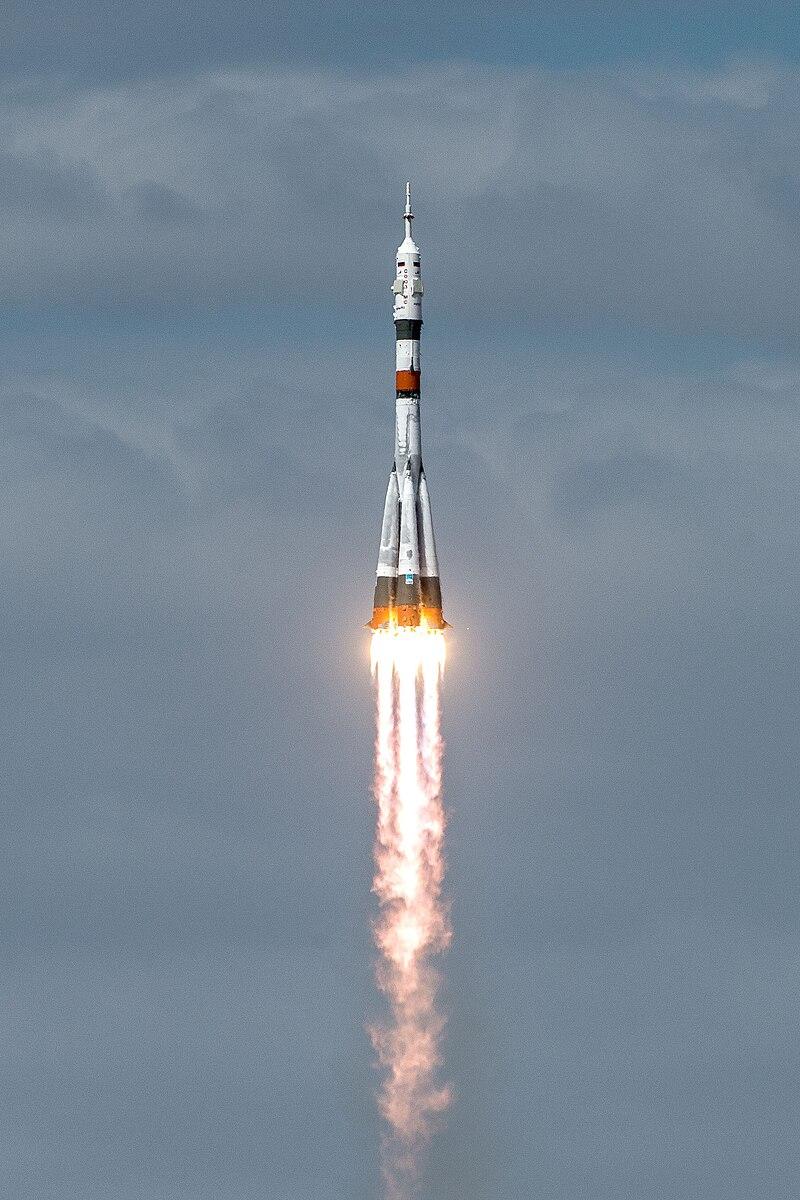
The rocket will be launched from the Baikonur Cosmodrome from the launch complex of the 31st site on February 28 at 00:24:27 Moscow time. You can watch the live broadcast at this link.
The space freighter will deliver 2,599 kg of cargo to the International Space Station, including 1,179 kg of equipment and apparatus, food, clothing, sanitary and hygienic and medical supplies, as well as 950 kg of fuel for refueling the station, 50 kg of nitrogen for replenishing the atmosphere, and 420 liters of drinking water.
Progress will also deliver to the ISS packages for the scientific experiments Virtual, Aseptic, Cascade, Biodegradation, Mirage, Lazma, Photobioreactor, and Neuroimmunity.
A new Orlan-MKS No. 6 spacesuit, designed for spacewalks, will also be sent to the station. This model of spacesuit differs from the previous version of Orlan-MK by an automated water cooling system that maintains the most comfortable temperature for the operator, as well as an internal hermetic shell made of high-tech fabric. In addition, a new information display system has been installed on the helmet of the spacesuit.
Read materials on the topic:
Home! Soyuz MS-25 with Russian cosmonauts landed in the steppes of Kazakhstan
Transition to conveyor: Reshetnev employees handed over the first batch of their waveguides to RKS
New Russian radar satellite Kondor-FKA No. 2 arrived at Vostochny
Never miss our newsAdd this site to your preferred sources to see us more oftenAdd on Google

















