Translated with AI from the Russian original.
Russia launched 15 rockets into space in 2024 with RD-107A/108A and NK-33A engines manufactured by the Samara-based enterprise "ODK-Kuznetsov". This was reported by the press service of the "United Engine Corporation" (ODK).
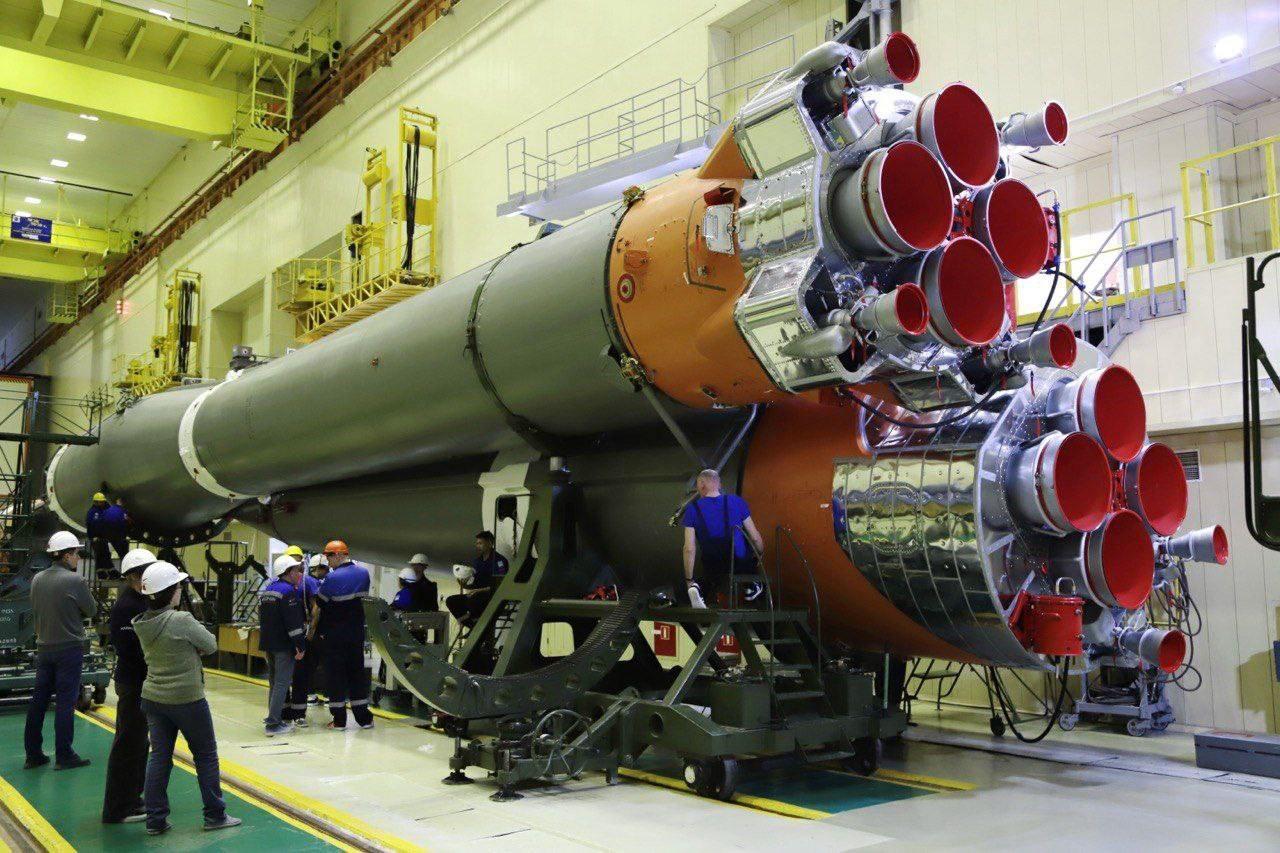
The corporation emphasized that "ODK-Kuznetsov" engines undergo a three-stage quality control. The statistical reliability of the units exceeds 99.9%.
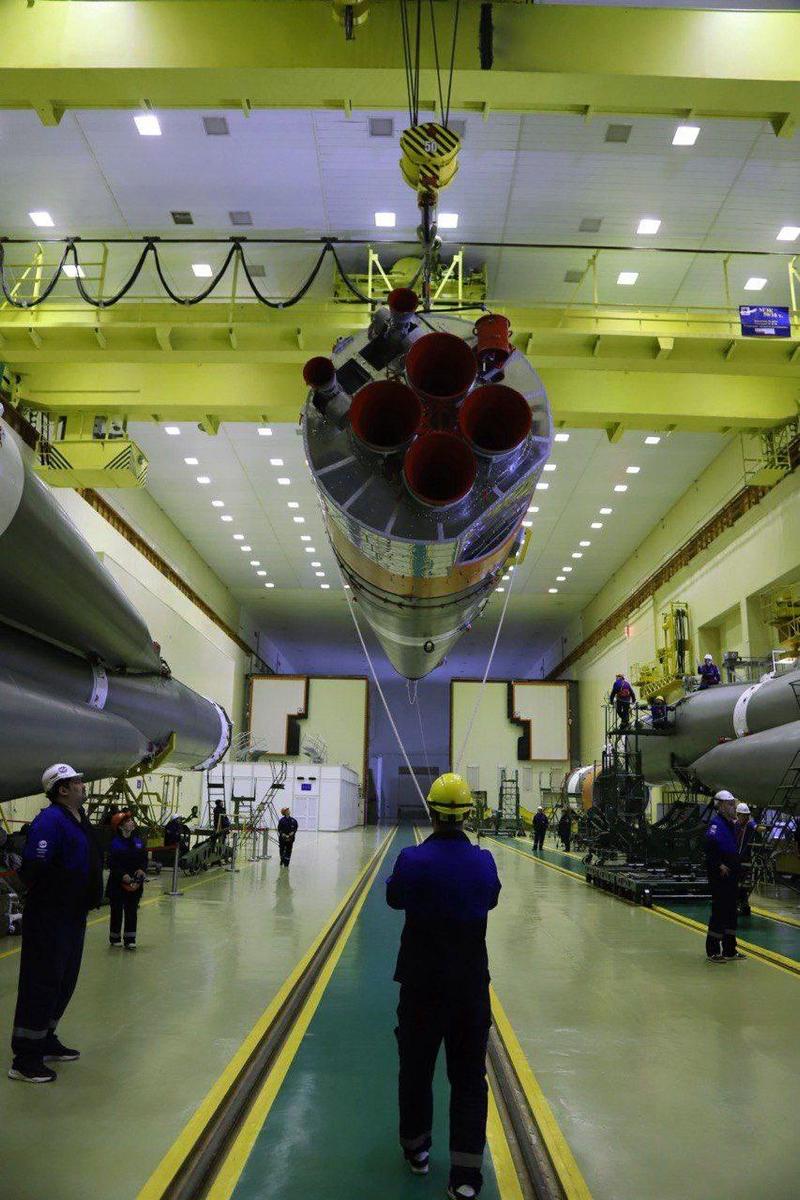
ODK engines ensured the delivery of a total of 10 tons of cargo for cosmonauts.
In November, Russia set a new record: 51 satellites were sent into Earth's orbit. The launch of "Soyuz-2.1b", which took place in December 2024, became the 2000th for R-7 family space launch vehicles.
About RD-107 engines
Liquid-propellant rocket engine created by specialists of OKB-456 for the intercontinental ballistic missile (ICBM) R-7. The RD-107 is installed on each side block of the first stage of the "Soyuz" family launch vehicles.
About NK-33 engines
Liquid-propellant rocket engine developed by engineers of SNTK named after Kuznetsov for the Soviet lunar landing program N1-L3. Currently, the NK-33 is installed in the first stage of the "Soyuz-2.1V" launch vehicle.
Read more on the topic:
Roscosmos Showed a Photo of the Fire in Los Angeles from the Resource-P Satellite
Russian Cosmonaut Training System Recognized as the Best in the World
Roscosmos and NASA will Continue Cross-Flights to the ISS
Never miss our newsAdd this site to your preferred sources to see us more oftenAdd on Google

















