The Russian Armed Forces have used more than 2.8 thousand Lancet loitering munitions manufactured by Zala Aero, of which 77.7% successfully hit their targets. This assessment was made by the LostArmour portal.
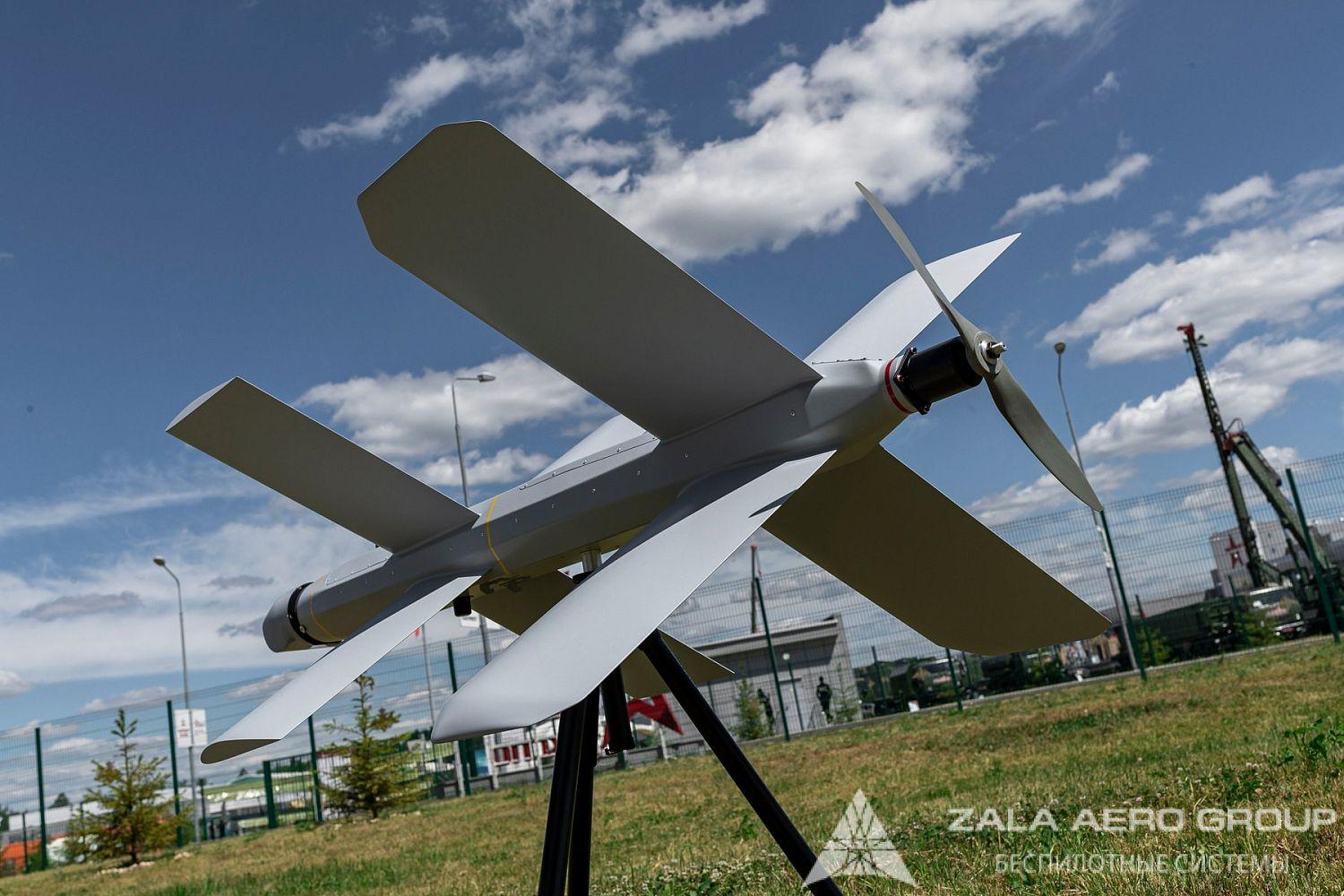
Journalists calculated that the military launched a total of 2806 kamikaze drones of this type at targets. During the entire period of use, they hit 2182 targets, of which 738 were destroyed and 1444 were damaged (77.7%).
417 strikes remained without objective control. Most often, the targets for the Lancets were howitzers (760) and self-propelled artillery units (517). The largest number of Lancet uses was recorded in May 2024 - 303 times.
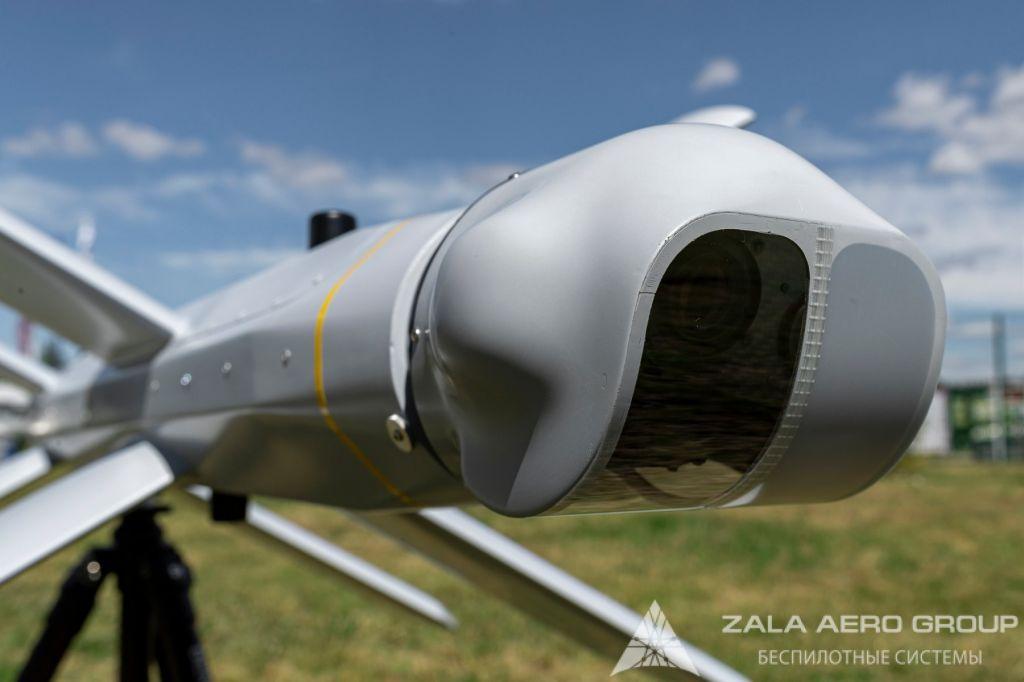
Characteristics of the Lancet kamikaze drone:
- Maximum take-off weight - 12 kg
- Body - polymer composite materials
- Ammunition - high-explosive fragmentation, cumulative high-explosive, thermobaric
- Maximum ammunition weight - up to 5 kg
- Maximum flight range - up to 70 km
- Engine - electric
Earlier, the Russian Ministry of Defense showed footage of a strike on heavy equipment using FPV drones of the Rubikon advanced unmanned technology test center.
Read more materials:
Sees 150 km ahead: what the newest Irbis ground-based radar is capable of for the Russian army
Never miss our newsAdd this site to your preferred sources to see us more oftenAdd on Google