According to open sources, in addition to work on modernizing the "Pioneer" medium-range missile system, other systems were also being developed in the Soviet Union.
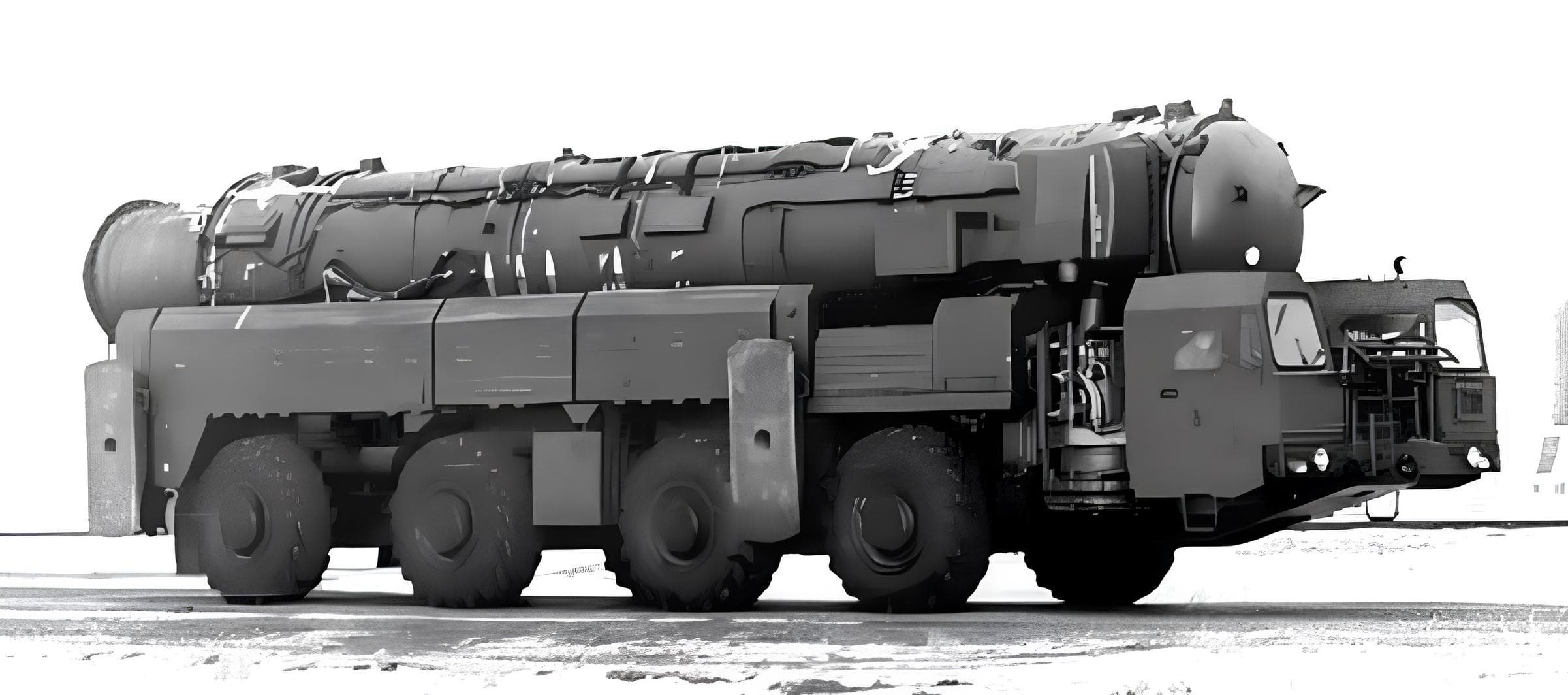
For example, "Skorost", which used developments from both the same "Pioneer" and the mobile intercontinental "Topol".
It was supposed to use the MAZ-7908 (8×8) as a platform with an engine power of 710 hp. Maximum speed - 45 km/h, with its own weight of 24 tons, it could take a load of 36 tons. Maximum range - 4000 km. Three individually guided warheads of 150 kilotons were installed.
Ten missiles were produced for testing, but only one was launched before all work was stopped.
Also, at the very end of the 80s, the "Courier" was created, which was already intercontinental. This was the USSR's response to the American small-sized mobile MGM-134 Midgetman. The Soviet missile weighed only 15 tons and would carry a warhead weighing 500 kilograms. Its development was shut down in the fall of 1991.
On November 21, Russian President Vladimir Putin stated that the military had conducted a combat test of the latest Oreshnik ballistic missile. The head of state emphasized that no modern air defense or anti-missile defense system is capable of intercepting it.
Earlier, www1.ru reported that an expert found a radical solution to the problem of the shortage of AWACS aircraft for the Russian Aerospace Forces, he proposed reviving the Yak-44.
Read materials on the topic:
The "Hazelnut" missile system: difficult to detect and impossible to intercept