Translated with AI from the Russian original.
In the next nine years, from 2025 to 2034, Russia will launch a series of hydrometeorological satellites for remote sensing of the Earth. This was announced by Roscosmos State Corporation at the Presidium of the Russian Academy of Sciences.
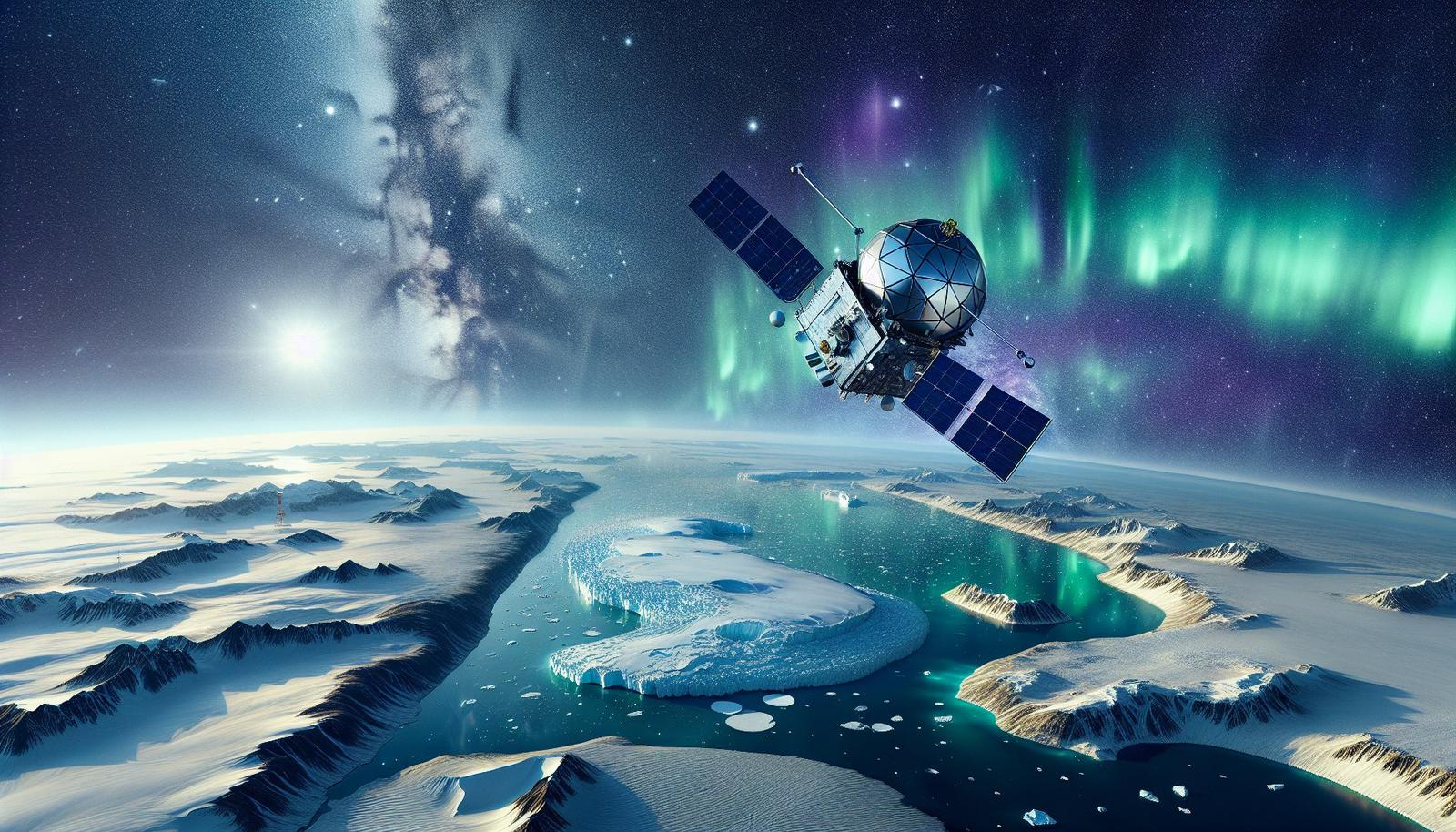
Today, in our country, we are trying to pay maximum attention to the hydrometeorological direction, so we have formed a triad of space systems. These are spacecraft placed in geostationary orbit, highly elliptical space systems beyond the northern latitudes, this system is unique in the world, and a low-orbit segment represented by Meteor-M satellites.
The launch schedule for the new satellites is as follows:
- in 2025 - a series of Arktika-MP satellites. They will provide hydrometeorological information, including weather forecasts on a regional and global scale: forecasts and conditions of sea areas, oceans, the Northern Sea Route, conditions for aviation flights of the helio-geophysical environment in near-Earth space, the state of the ionosphere and the Earth's magnetic field. The satellite will also relay signals from emergency radio buoys COSPAS-SARSAT;
- in 2026 - a high-detail observation spacecraft Resurs-PM. It will be engaged in cartography, monitor emergency situations, and obtain data for the search for hydrocarbon resources;
- in 2032 - Arktika-MP, Ionosfera-M-OP, Meteor-MP and Stereoskop satellites.
Read materials on the topic:
Find space debris, edit maps - what the new Russian Resurs-PM satellites will do
More than 900 billion rubles in two years - Russia's future expenses for the Space Activities state program announced
New Russian Ionosfera-M satellites delivered to Vostochny for launch
Reshetnev employees have developed a new state standard for Russian satellites
Never miss our newsAdd this site to your preferred sources to see us more oftenAdd on Google

















