Reuters writes about this, citing its sources. According to them, within 30 days, the US Department of Commerce will collect public opinions on new restrictions related to connected cars on American roads. Connected cars are cars that have on-board network equipment with access to the Internet and are able to exchange data with devices both inside and outside their structure.
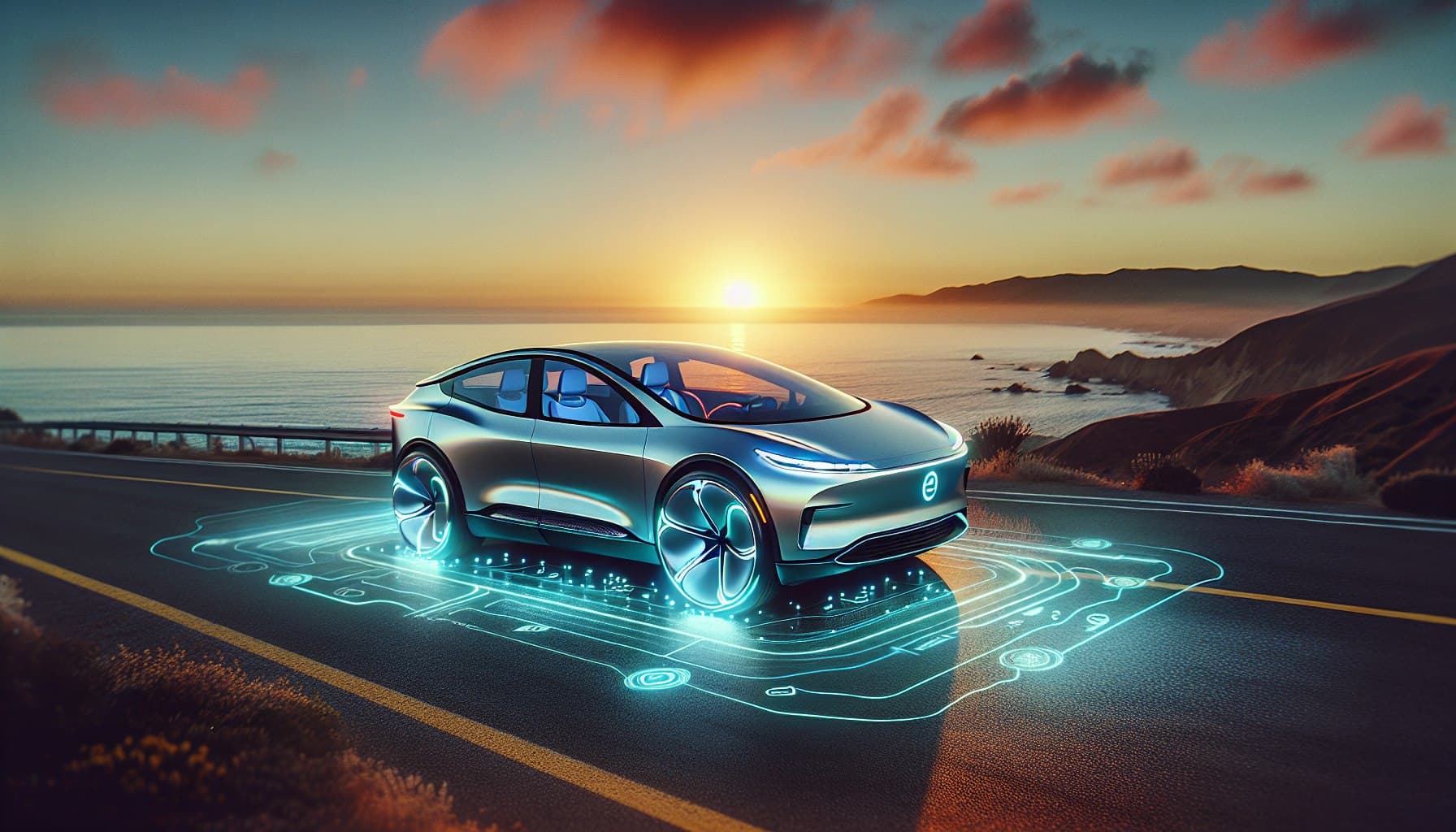
After analyzing the opinions, a decision will be made on how to limit the collection of data in such cars by China and other countries with which the United States is in confrontation, including Russia.
It is assumed that the bans will apply to vehicles with certain Bluetooth, satellite and wireless communication functions, as well as highly autonomous vehicles that can operate without a driver behind the wheel. Bans on software from China, Russia and other countries for such transport may come into force as early as 2027, and on hardware - in January 2029 or 2030.
Reuters notes that a number of major global automakers, including General Motors, Toyota Motor, Volkswagen and Hyundai, have already warned that changing hardware and software will take time. In a joint statement, the auto giants emphasized that their systems "undergo thorough preparation for production, testing and validation, and are generally not easily replaced by systems or components from another supplier".
The US Department of Commerce, meanwhile, declined to comment on the initiative on Saturday, September 21.
Earlier, the American administration announced that it intends to ban the sale of Kaspersky Lab software in the United States from September this year. The measure was to affect not only cybersecurity solutions for large companies, but also smartphones and laptops of ordinary users. But also products related to connected transport, which protect the car's operating system from hacking from the outside, allow remote diagnostics and update software "over the air".
Read materials on the topic:
Atom electric car will be the first in Russia to receive a cyber-immune electronic control unit
Chinese cars in Russia may receive new cyber protection against hacking