The diesel-electric submarine "Velikiye Luki" of Project 677 "Lada", equipped with "Caliber" cruise missiles, will join the Baltic Fleet before the end of 2024. This was reported by a source in the shipbuilding industry.
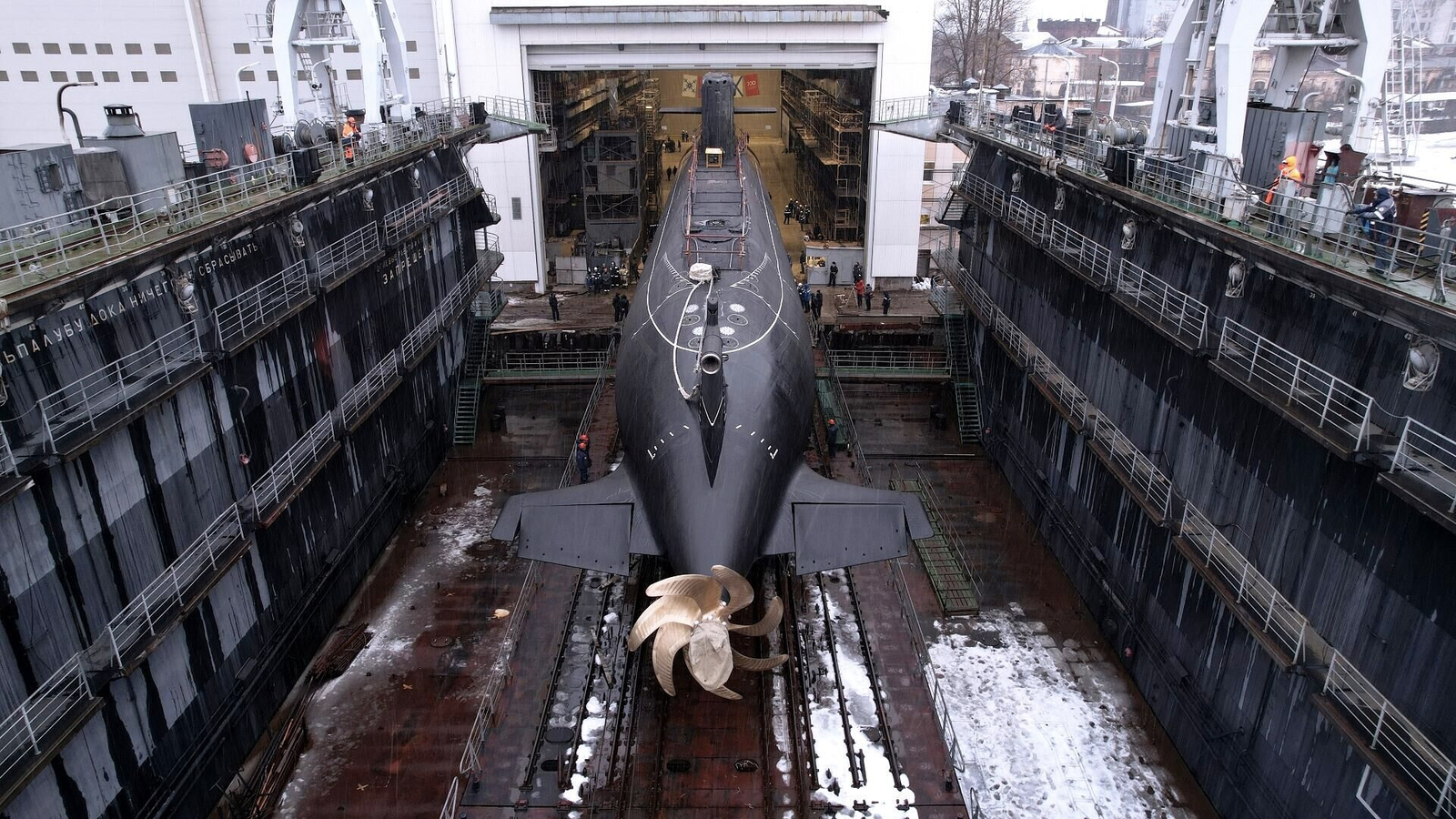
The submarine "Velikiye Luki", built at the "Admiralty Shipyards" in St. Petersburg, continues to undergo factory sea trials. According to the source, the submarine is planned to be transferred to the fleet before the end of the current year. Currently, the completion dates for the tests are not specified.
Earlier in an interview, the general director of the "Rubin" plant, Igor Vilnit, emphasized that the Project 677 submarines have a "very powerful" hydroacoustic complex, missile-torpedo and electronic warfare weapons.
I want to emphasize the hydroacoustics of the "Lada": it is not just a wider range of acoustic waves, it is a significantly greater range of target detection. To achieve this result, a lot of effort had to be made.
The developer explained that the equipment for hydroacoustics, capable of detecting quieter targets by viewing a large volume of water, also picks up much more extraneous noise - interference. To extract a useful signal from the noise, a "high-speed" hydroacoustic data processing system is needed. In addition, it is important to classify the target, determine its speed, depth and direction of movement.
If the 877 project submarine, created at the "Admiralty Shipyards", was called the "Black Hole", then this one can rightfully be called the "Invisible One".
The second serial "Lada" should strengthen the Baltic Fleet, which today has significant deficits in submarines. The diesel-electric submarine "Velikiye Luki" is a long-term construction project: laid down in 2006 under the name "Sevastopol", the submarine was re-laid in 2015 according to a revised project, taking into account the pilot operation of the lead submarine "St. Petersburg". The launch took place on December 23, 2022, after which the submarine continued to be completed afloat.
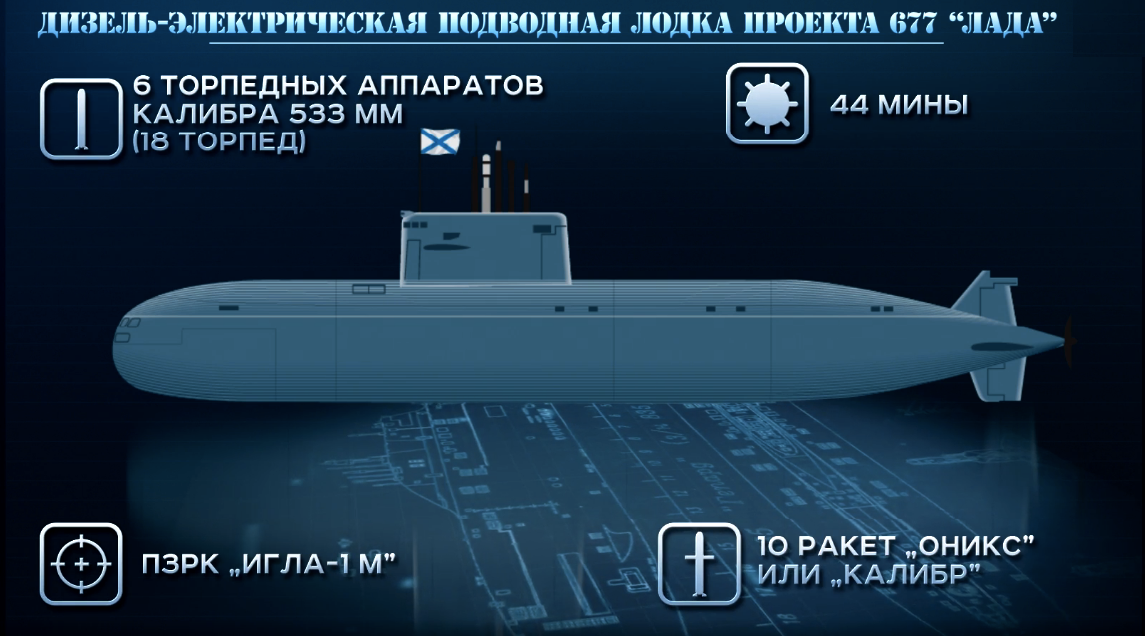
Serial submarines of Project 677 "Lada", unlike the lead submarine, are equipped with "Caliber" cruise missiles and a new, more powerful and less noisy electric motor. Initially, it was planned to equip these submarines with an air-independent (anaerobic) power plant (VNEU), but in 2019 it became known that the work had been suspended due to lack of funding.
It should be recalled that "Velikiye Luki" became the second serial submarine of the project after "Kronshtadt". Two other submarines of this type, "Vologda" and "Yaroslavl", were laid down on the same day - June 12, 2022 and are being completed at the "Admiralty Shipyards". The lead submarine "St. Petersburg", according to industry sources, will be withdrawn from the Navy and disposed of, since its modernization will require more funds than building a new diesel-electric submarine.
The press service of the Baltic Fleet previouslyreported that in 2024 the combat capabilities of the fleet will be increased due to the arrival of three small missile ships and the submarine "Velikiye Luki". All new ships and submarines are carriers of "Caliber" cruise missiles.
Read materials on the topic:
Russian submarines - what the USC is building and launching for the fleet
The St. Andrew's flag was raised on "Kronshtadt": the first serial nuclear submarine entered service
Never miss our newsAdd this site to your preferred sources to see us more oftenAdd on Google