Translated with AI from the Russian original.
Specialists from the NTI Center "Digital Materials Science" have developed a polyurethane-based thermal insulation coating
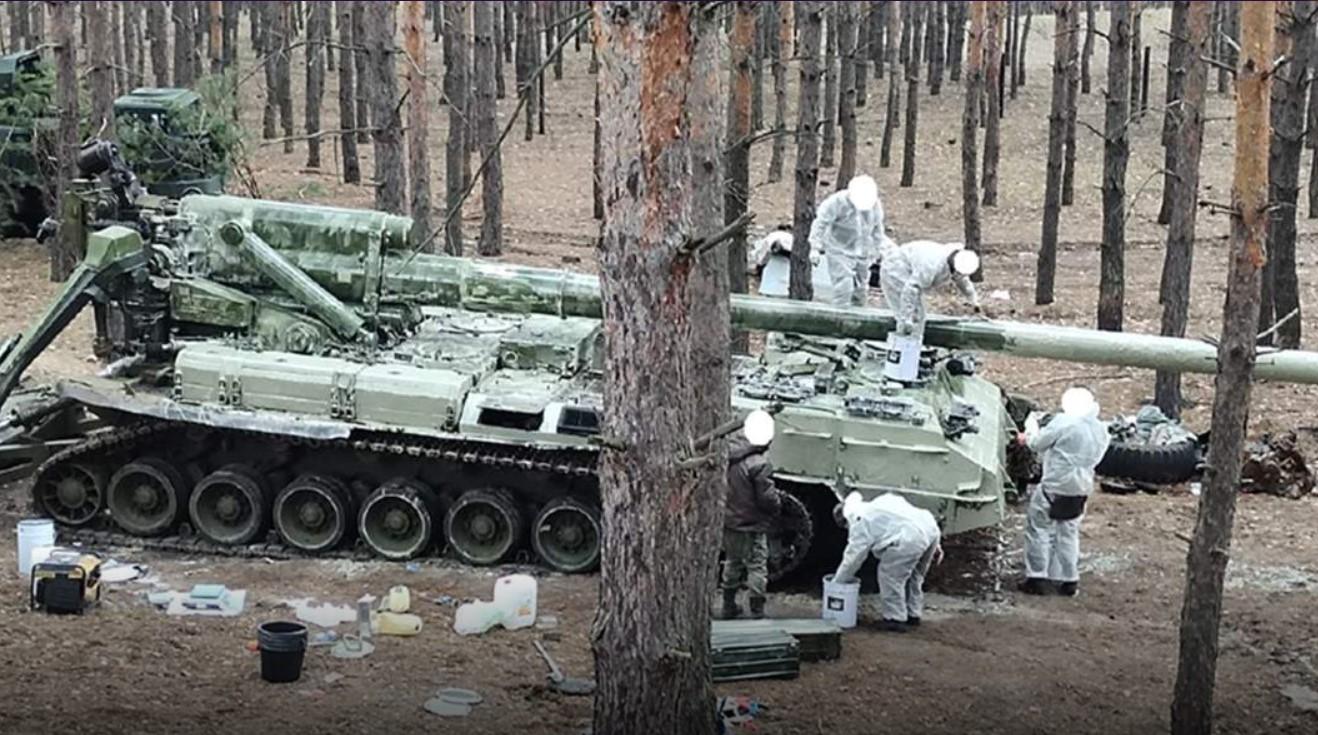
What is "Teplosfera"?
The material is made of polyurethane and hollow glass microspheres. It is a two-component mastic with an adjustable curing rate at temperatures from -20 to +40 degrees. According to Alexander Kalinnikov, Deputy Head of the NTI "Digital Materials Science", polyurethane has high strength and adhesion to the surface.
The mastic can be applied manually, diluting it with a solvent, or using a spraying device
Where to apply the camouflage?
The mastic can be used to treat IFVs, tanks, armored vehicles, self-propelled artillery units, and armored personnel carriers. According to experts, camouflage usually absorbs, reflects, and scatters thermal radiation, making equipment invisible to thermal imagers. However, there is always the problem of its flammability.
Polyurethane burns, so it is important to add a non-combustible filler
In addition, the camouflage coating needs to be renewed, as it is affected by the sun and water. The chemical stability of the substance is also important, Anokhin emphasized.
Another expert called the NTI "Digital Materials Science" solution to use glass spheres as a thermal insulation additive interesting. But it is necessary to think about how to avoid overheating the equipment in motion.
We are talking about the engine, fire impact systems, which give off a lot of heat that is stored in a confined space. The specialist believes that this problem can be solved by applying the mastic to a light base or plates that shield radiation.
Earlier, TsAGIStart developerscreated a foam plastic drone that radars cannot see
Never miss our newsAdd this site to your preferred sources to see us more oftenAdd on Google

















