The Institute of Solar-Terrestrial Physics in Irkutsk has launched a unique device that has no analogues in world science. This is a multi-wave radioheliograph, which is part of the National Helio-Geophysical Complex of the Russian Academy of Sciences.
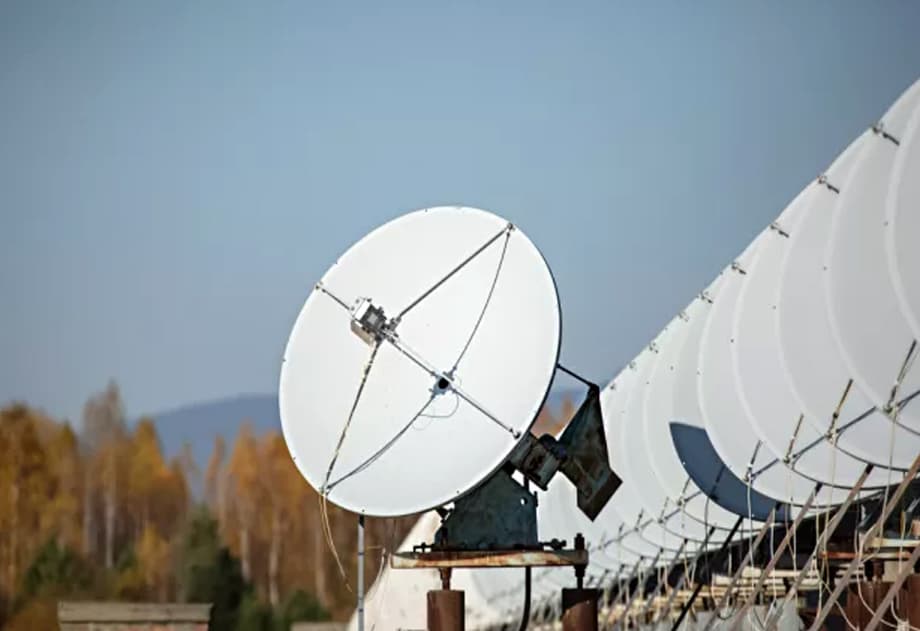
The radioheliograph studies the Sun, its coronal activity, and predicts the consequences of magnetic storms in one part of the Earth or another. It can also take pictures of the Sun in a previously inaccessible range - the result in test mode has already been appreciated by the global scientific community.
The multi-wave radioheliograph, which covers the range from 3 to 24 GHz, is a locomotive of world science. With this tool, we can observe and predict processes in the global Sun-Earth system, from the depths of the star to near space, and build a 3D model of near-solar space.
The work of the radioheliograph is very important - this year the Sun is rich in flares and magnetic storms, and this affects technology and communication systems around the world. The predictions of scientists will help reduce the risks of possible disasters with human casualties around the world and other negative consequences of solar activity.
One of the strongest magnetic storms of the year is expected on November 30 and December 1 - it can reach an indicator of G3 (strong) and for a short time even an indicator of G4 (very strong). Due to a storm of this strength, radio communications and satellite navigation may fail, voltage surges may occur in networks, and Muscovites may see the Northern Lights again.
Now on home