The Mi-28 has become one of Russia's most famous attack helicopters. It is often compared to the American AH-64 Apache, but the "Night Hunter" was created with a different philosophy – as a maximally protected combat vehicle for operations over the battlefield.
Let's find out how many Mi-28s are in service with Russia and what capabilities this helicopter possesses.
How many Mi-28s does Russia have?
Serial production of the Mi-28N began in the 2000s. The helicopter was officially adopted by the Russian army in 2009.
According to open sources, the Russian Aerospace Forces have more than 100 Mi-28 family helicopters of various modifications.
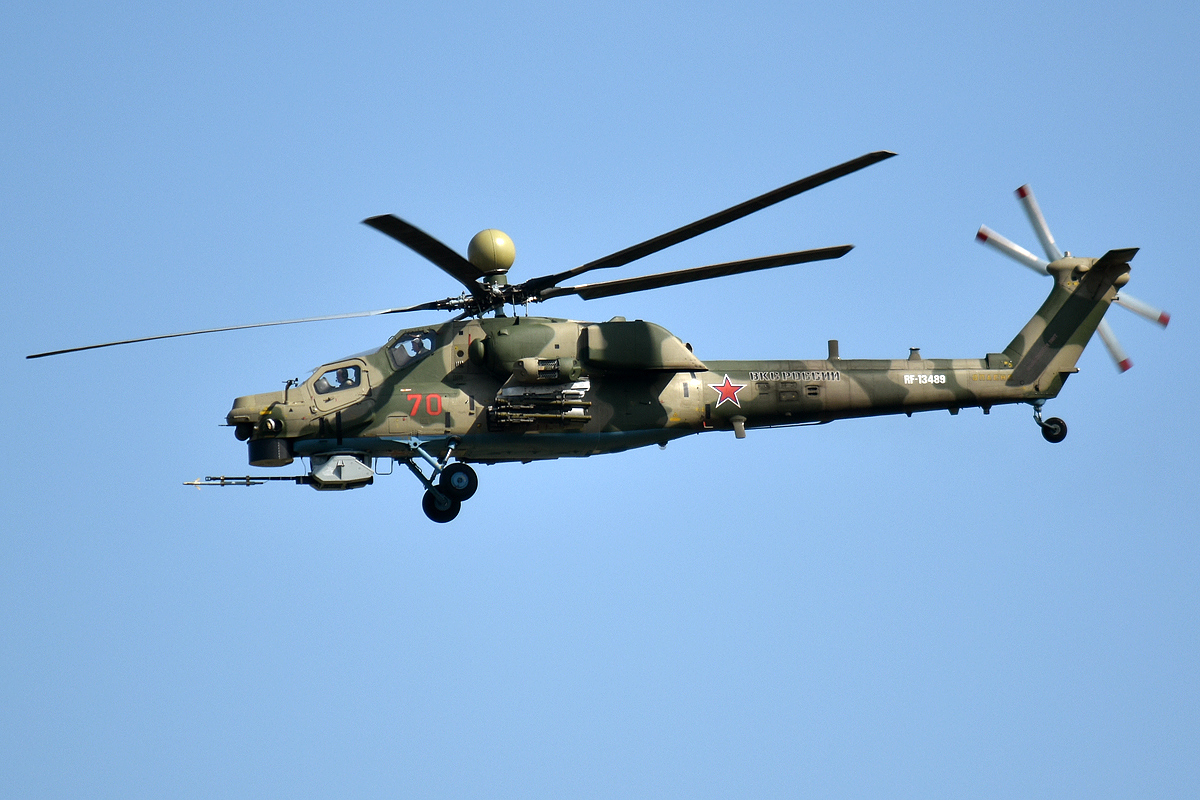
The main versions were the Mi-28N "Night Hunter", the Mi-28UB with dual controls for training, and the modernized Mi-28NM.
The latest version received new onboard equipment and an improved weapon control system.
Why is the Mi-28 called a "flying tank"?
The main feature of the Mi-28 is its high survivability. The crew cabin is protected by armor capable of withstanding hits from large-caliber weapons, and the main systems are duplicated.
The helicopter received two TV3-117VMA engines with a power of about 2200 hp each, the maximum speed of the machine exceeds 300 km/h, and the combat radius of action is about 200 km.
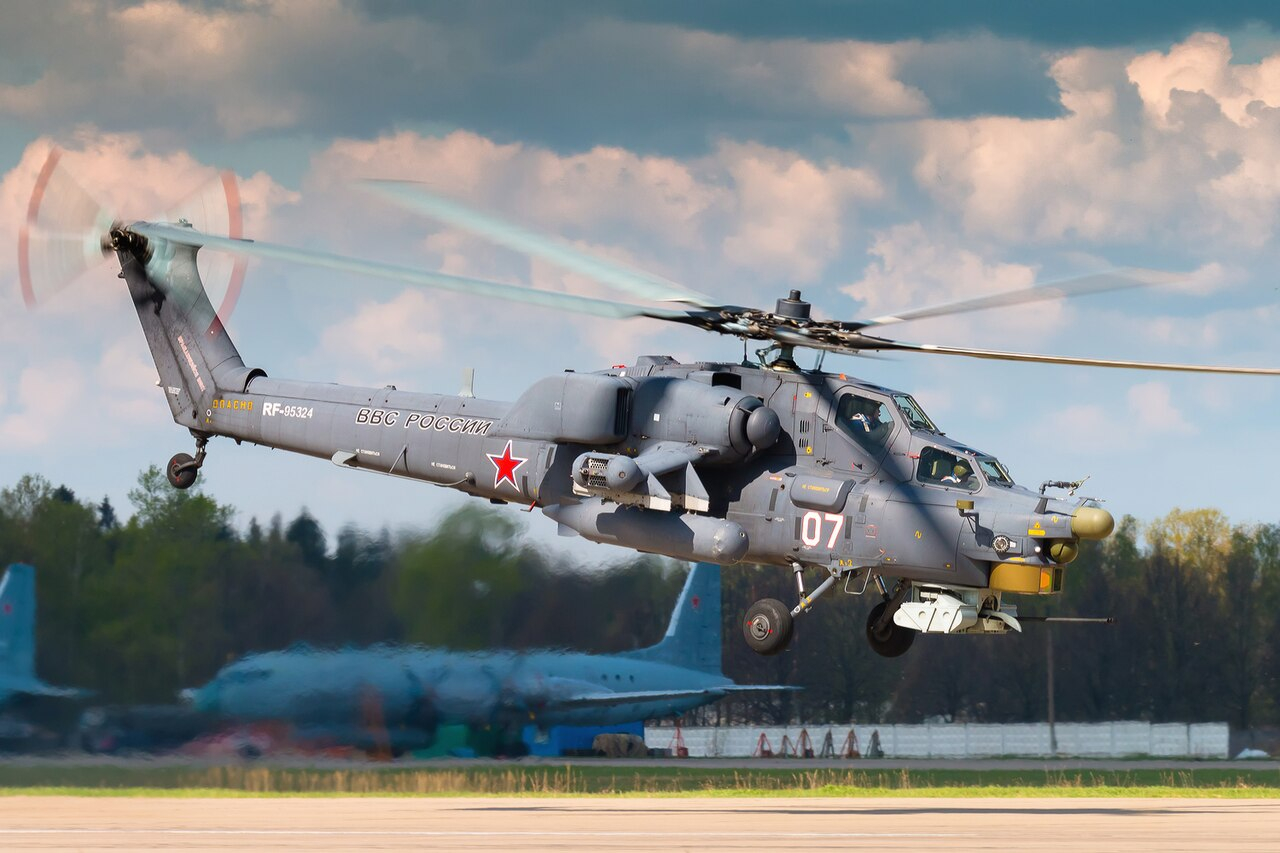
Unlike multi-purpose helicopters, the Mi-28 was created specifically as a specialized attack aircraft. The combination of armor, powerful weaponry, and the ability to operate at night earned it the nickname "flying tank".
What missiles is the Mi-28 armed with?
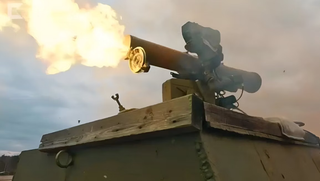
The main weapon of the Mi-28 is the "Ataka" anti-tank missile system. The helicopter can carry up to 16 guided missiles capable of hitting armored vehicles at a range of up to 6 km.
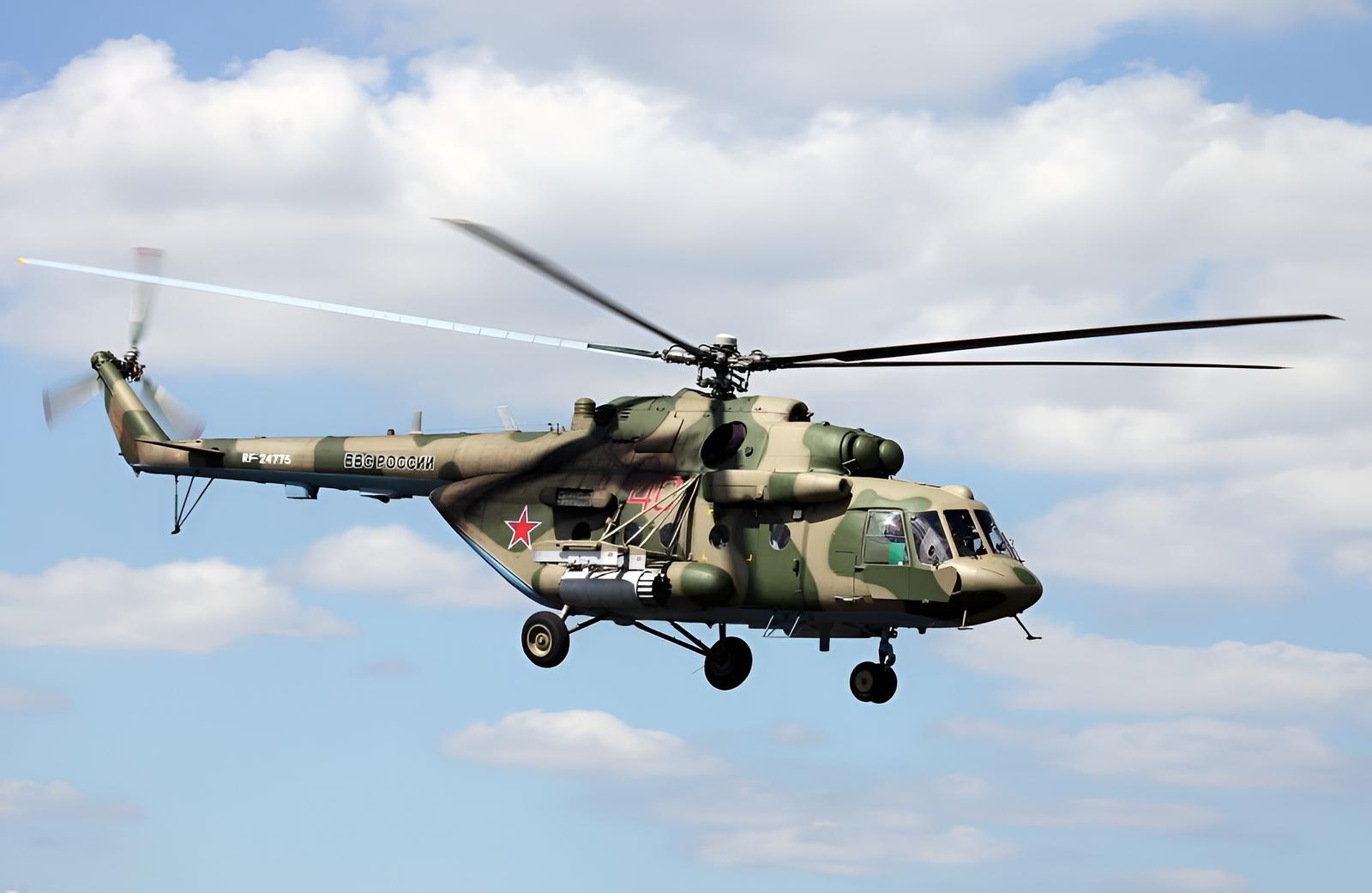
In addition to guided weapons, the helicopter is equipped with a 30 mm 2A42 automatic cannon. It is mounted on a movable turret and can fire with guidance regardless of the fuselage's position.
Read more on the topic:
Never miss our newsAdd this site to your preferred sources to see us more oftenAdd on Google