Translated with AI from the Russian original.
If you look into the air intakes of the American F-22 Raptor, the engine blades are almost invisible. With the Russian Su-57, the situation is different – part of the compressor can be seen directly.
Because of this, a popular myth has long emerged: that the Russian fighter is "worse in stealth" and inferior to the American aircraft in terms of low observability.
"Pervy Tekhnichesky" explains in simple terms why this is not a mistake by our designers, but a different approach to creating a fifth-generation combat aircraft.
Why the F-22 has S-shaped air intakes
The main feature of the F-22 is its S-shaped air duct. Air inside the aircraft passes through a curved path, so the enemy's radar cannot directly "see" the engine compressor.
This is important because rotating blades are one of the most visible elements of any jet aircraft. They reflect radio waves well and can sharply increase the radar cross-section of the aircraft.
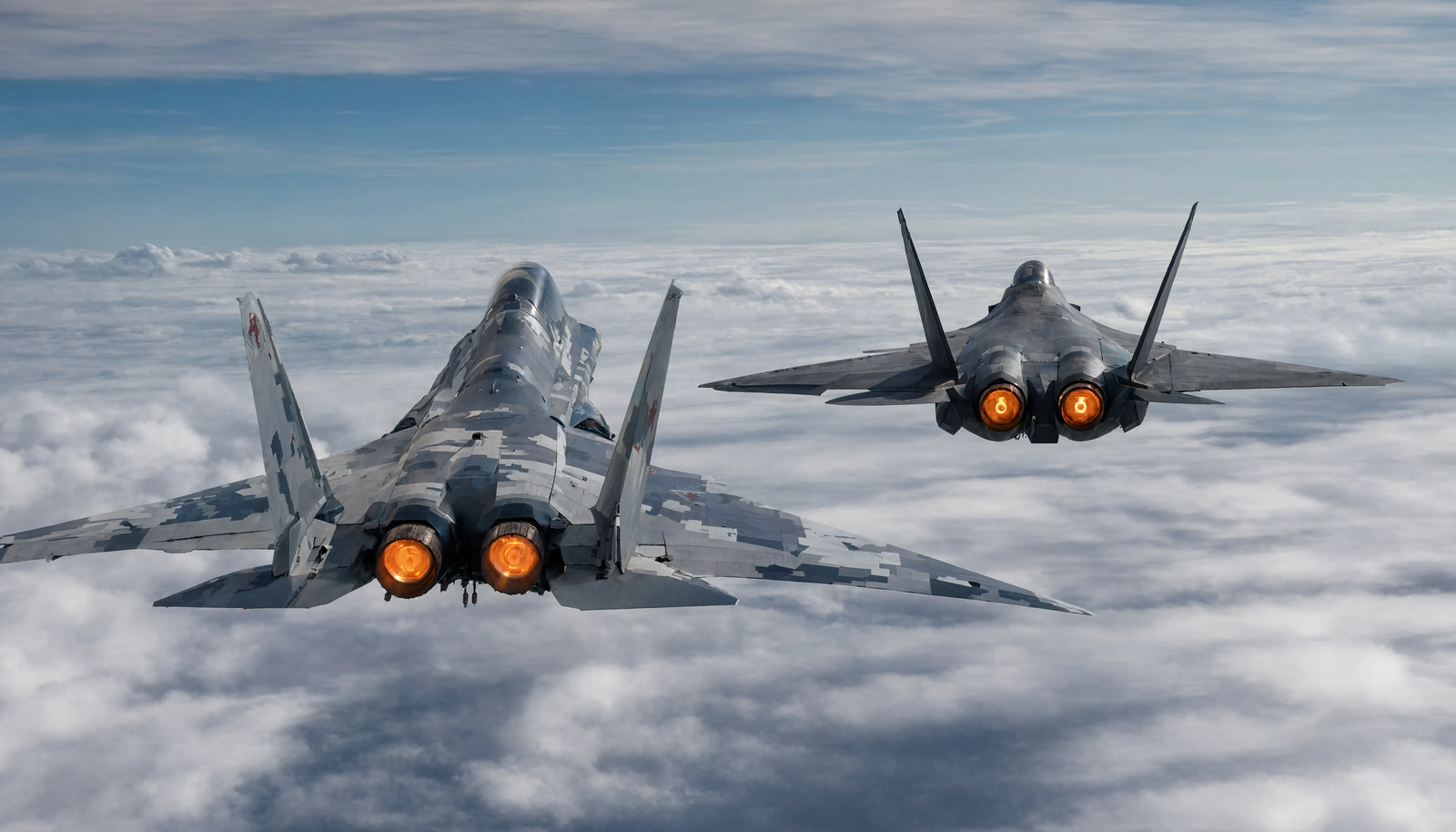
American engineers focused precisely on maximum concealment of the engine. However, this scheme also has drawbacks: the complex duct takes up a lot of space inside the fuselage, complicates the design, and affects air supply at extreme flight modes.
Why the Su-57's air intakes are straighter
Russian designers chose a different approach. The Su-57's air intakes were made straighter and more compact. This allowed for additional space inside the aircraft for large weapon bays and maintained high maneuverability at high angles of attack.
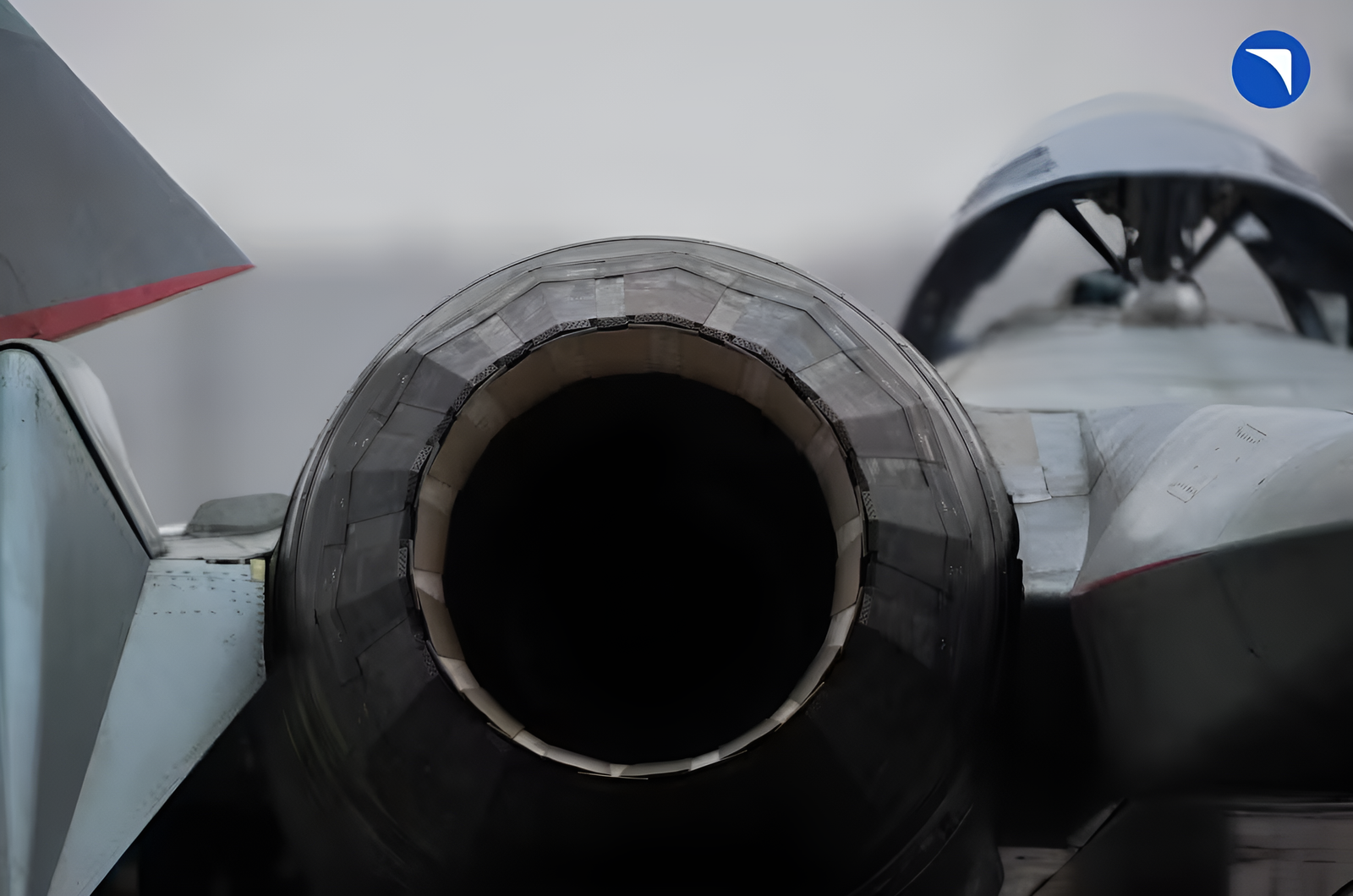
For the Su-57, super maneuverability and the ability to carry large missiles inside the fuselage proved to be no less important than an absolute record in stealth.
In addition, a straighter duct simplifies engine operation in complex flight modes where airflow can change sharply.
How the Su-57 reduces engine visibility
Of course, Russian engineers could not leave the engine completely "open". Therefore, the Su-57 uses a special radar blocker – a structure inside the air intake that partially obstructs the direct visibility of the compressor for radar.
Additionally, radar-absorbing coatings and special shapes of internal duct elements are used.
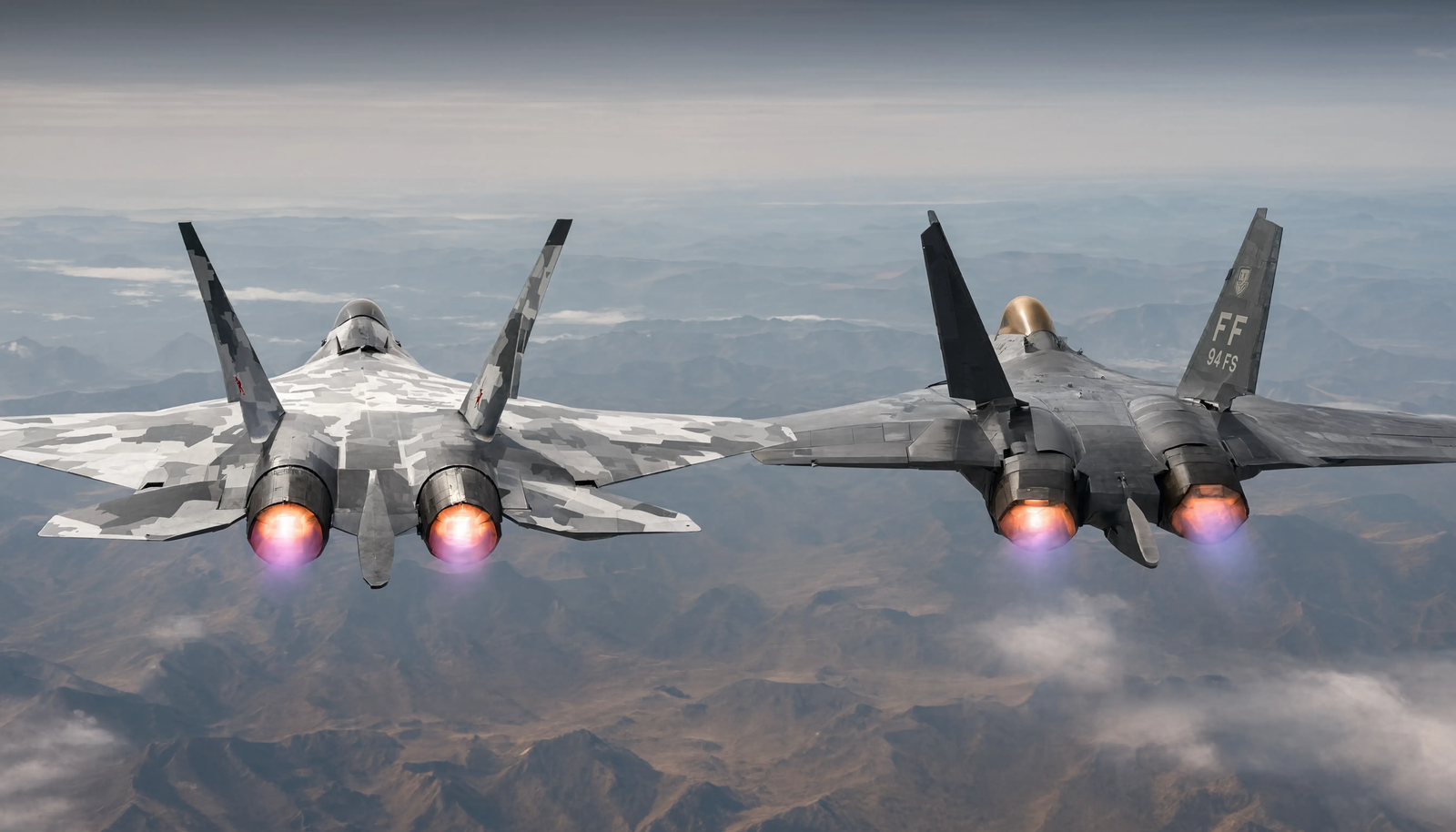
As a result, the F-22 and Su-57 solve the same problem using different methods. The American aircraft relies on a maximally concealed engine and complex air intake geometry. The Russian fighter – on a compromise between low observability, internal volume, and extreme maneuverability.
Read more on the topic:
Never miss our newsAdd this site to your preferred sources to see us more oftenAdd on Google

















