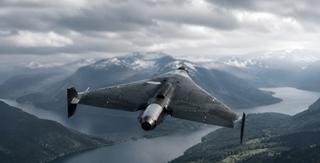
R-27 missiles, developed back in the USSR as medium-range air-to-air weapons, continue to be actively used in modern conflicts, despite their gradual replacement by newer R-77s. Military blogger and former pilot Fighterbomber spoke about the capabilities and features of this missile family.
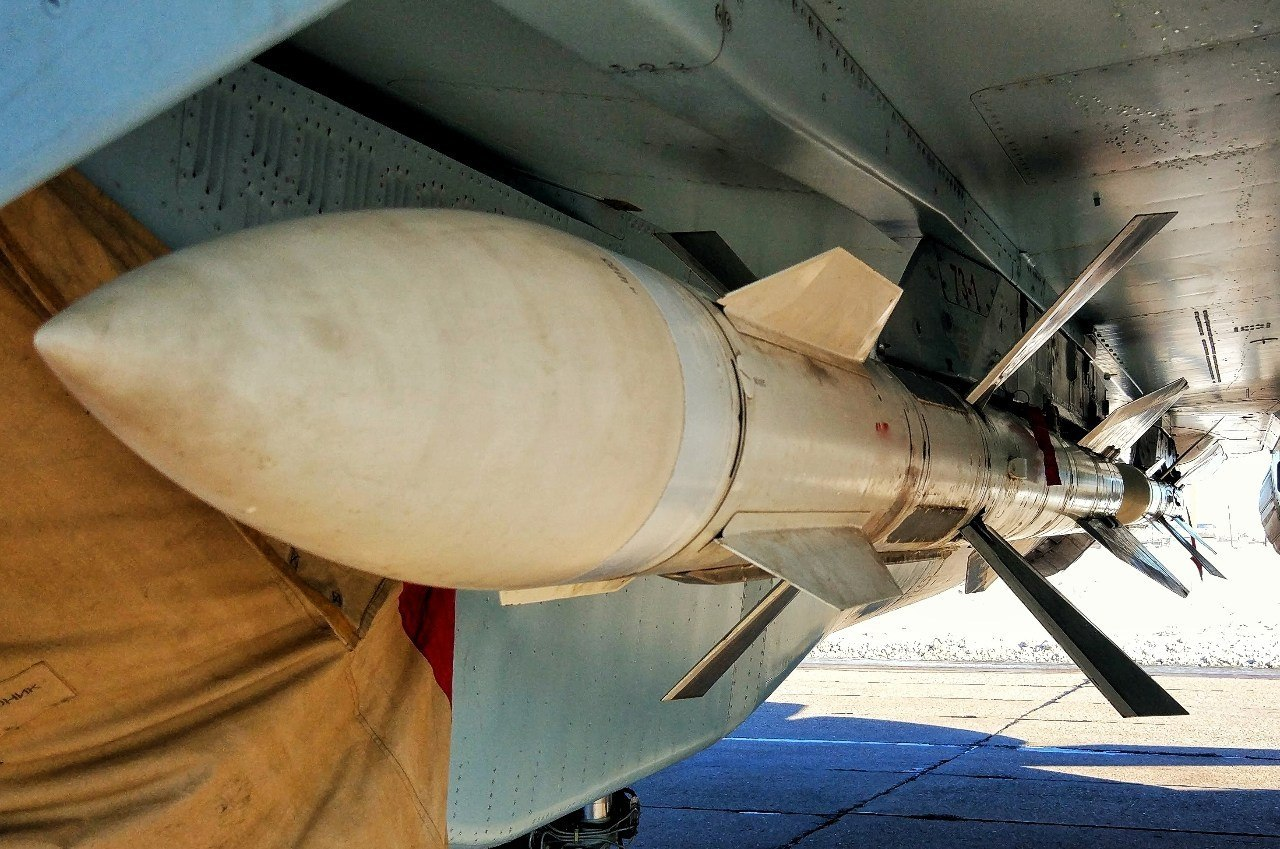
The R-27 family includes several modifications, differing in the type of seeker head. The most common is the R-27R – a missile with a semi-active radar homing system. To hit a target, the carrier aircraft must track it with radar until impact. Such missiles are designed to destroy almost any aerial target with a noticeable reflective surface.
Modifications with the “E” index received an increased launch range due to more powerful energetics. According to the pilot, such versions are capable of operating at a significantly greater distance compared to the basic variants.
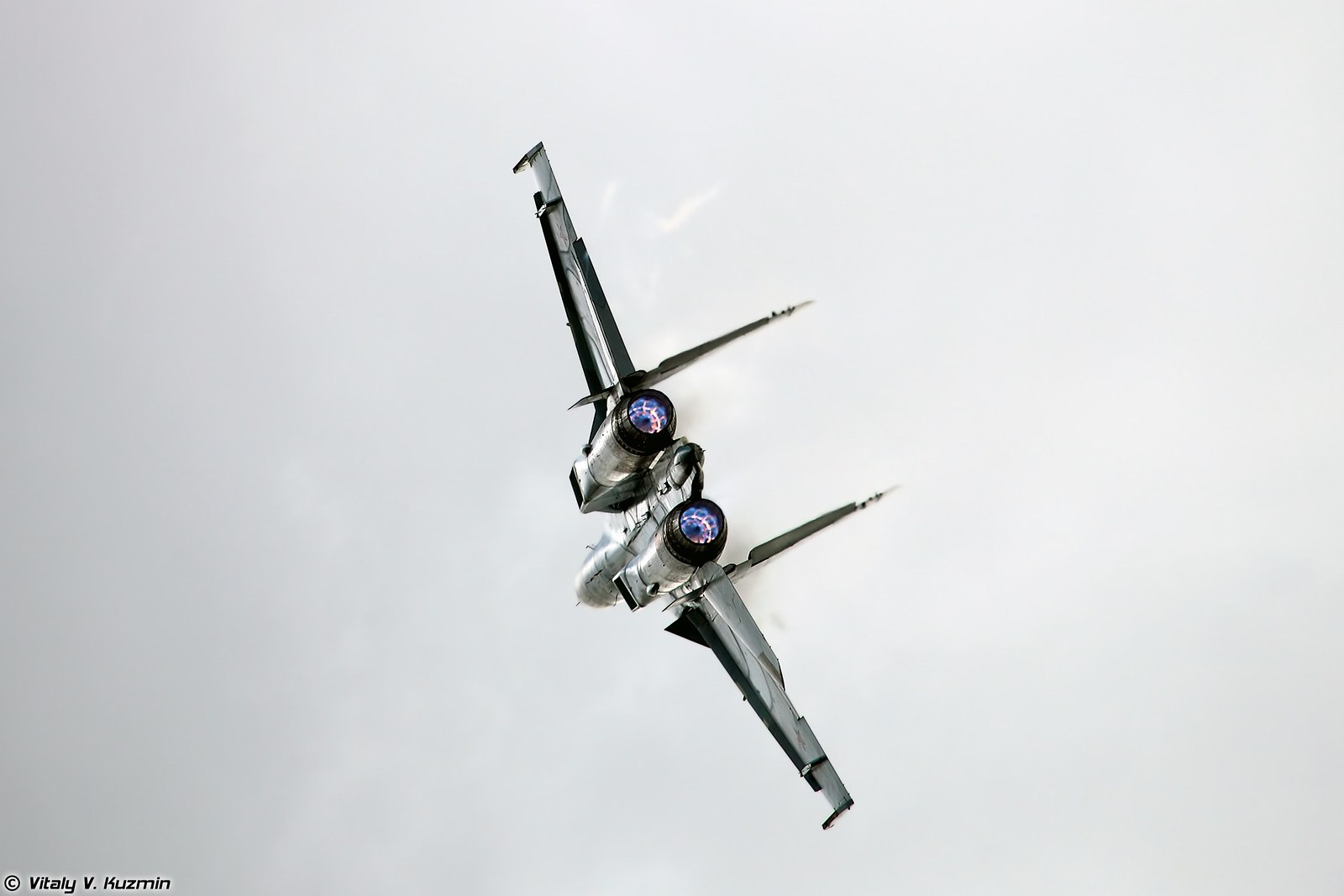
The R-27T is equipped with a thermal seeker head and operates on the “fire-and-forget” principle. After launch, the missile independently tracks the target by its engine's thermal signature.
Another version – the R-27P – uses a passive radar seeker head. It is designed to engage electronic warfare aircraft, as well as targets with active radars. According to the pilot, such missiles can potentially also be used against ground-based radio emission sources if the target operates in a range that the seeker head can detect.
The military pilot noted that the R-27P is considered one of the longest-range missiles in the lineup. At the same time, all modifications of the family are still actively used and are often suspended on aircraft simultaneously with missiles of different guidance types.
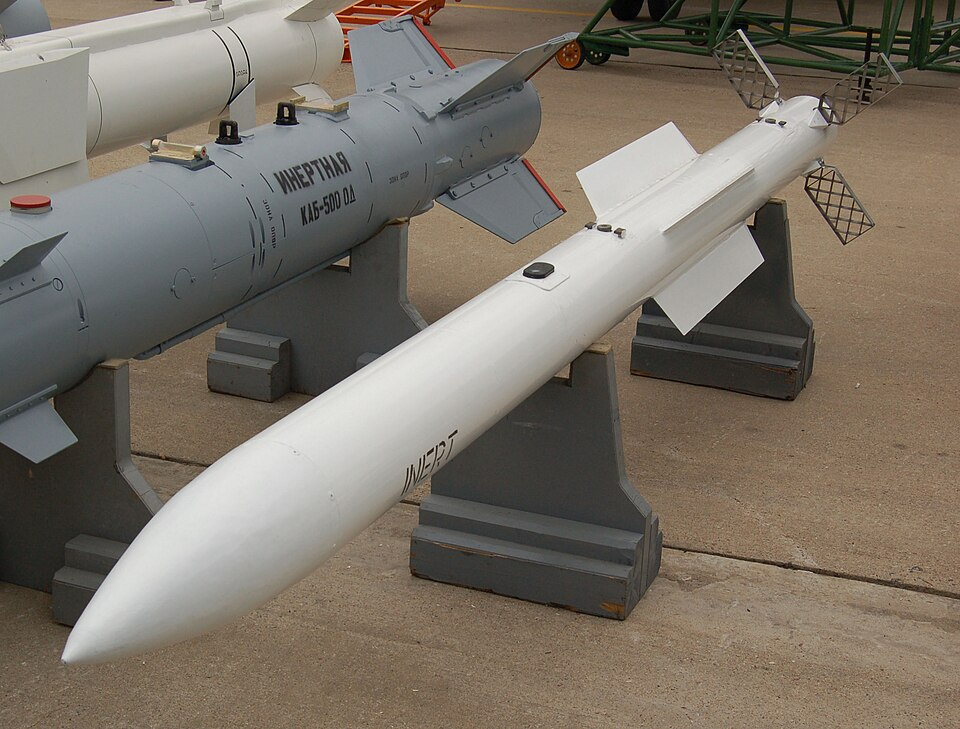
Despite the gradual transition of aviation to more modern R-77 missiles, older R-27s remain in demand due to the high consumption of high-precision weapons. According to the source, a significant portion of the reserves has already been expended, so even missiles of the so-called fifth category are being returned to service.
The fifth category includes munitions officially unsuitable for their intended purpose. This usually refers to missiles with expired shelf lives, damage, or degradation of individual components. Nevertheless, according to the pilot, such items continue to be used.
Read more on the topic:
Never miss our newsAdd this site to your preferred sources to see us more oftenAdd on Google