The new Russian supersonic passenger aircraft will be built without traditional frontal glazing, as reported by the State Research Institute of Aviation Systems.
Such a design feature will require engineers to thoroughly consider measures for crew situational awareness, as they will have to rely solely on screens with video images and instrument readings.

However, the exact design of the supersonic airliner's fuselage is unknown. "Pervyy Tekhnicheskiy" fills this gap, based on TsAGI materials from the open FIPS database.
Engineers proposed changing the geometry of the aft section of the prospective Russian supersonic passenger aircraft to reduce losses at cruising speeds and improve flight efficiency.
Where Efficiency Loss Occurs
According to materials from the FIPS database, TsAGI specialists redesigned the shape of the tail section.
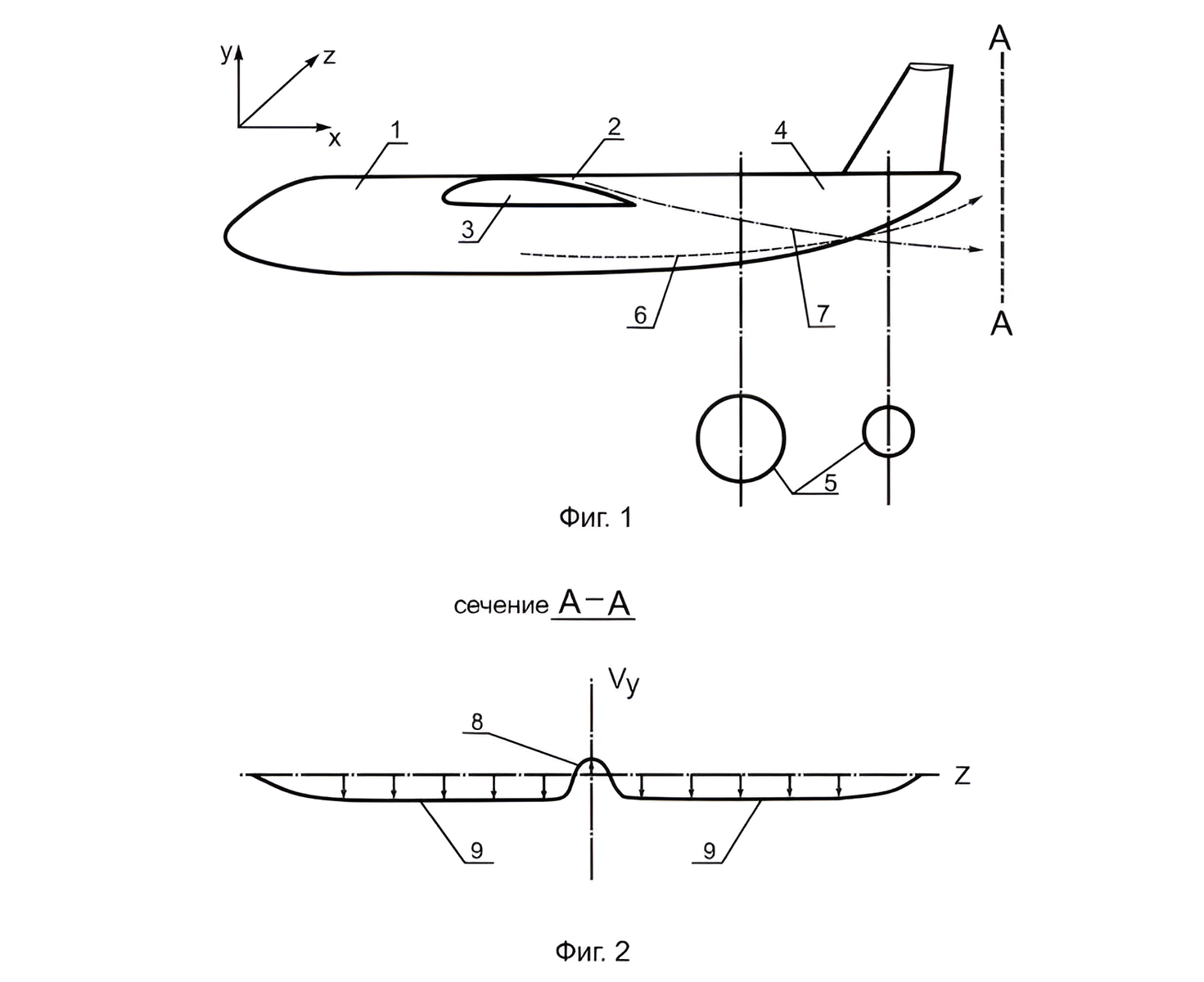
In the classical scheme, the aft section is raised for layout and take-off/landing modes, but such a bend disrupts the flow structure: the wing deflects air downwards, and the fuselage upwards. This creates uneven flow and increases induced drag.
What Has Changed in the Design
In the new configuration, the lower part of the aft section receives a break in the region of the axis of symmetry. The geometry remains streamlined, but the flow is redistributed differently.
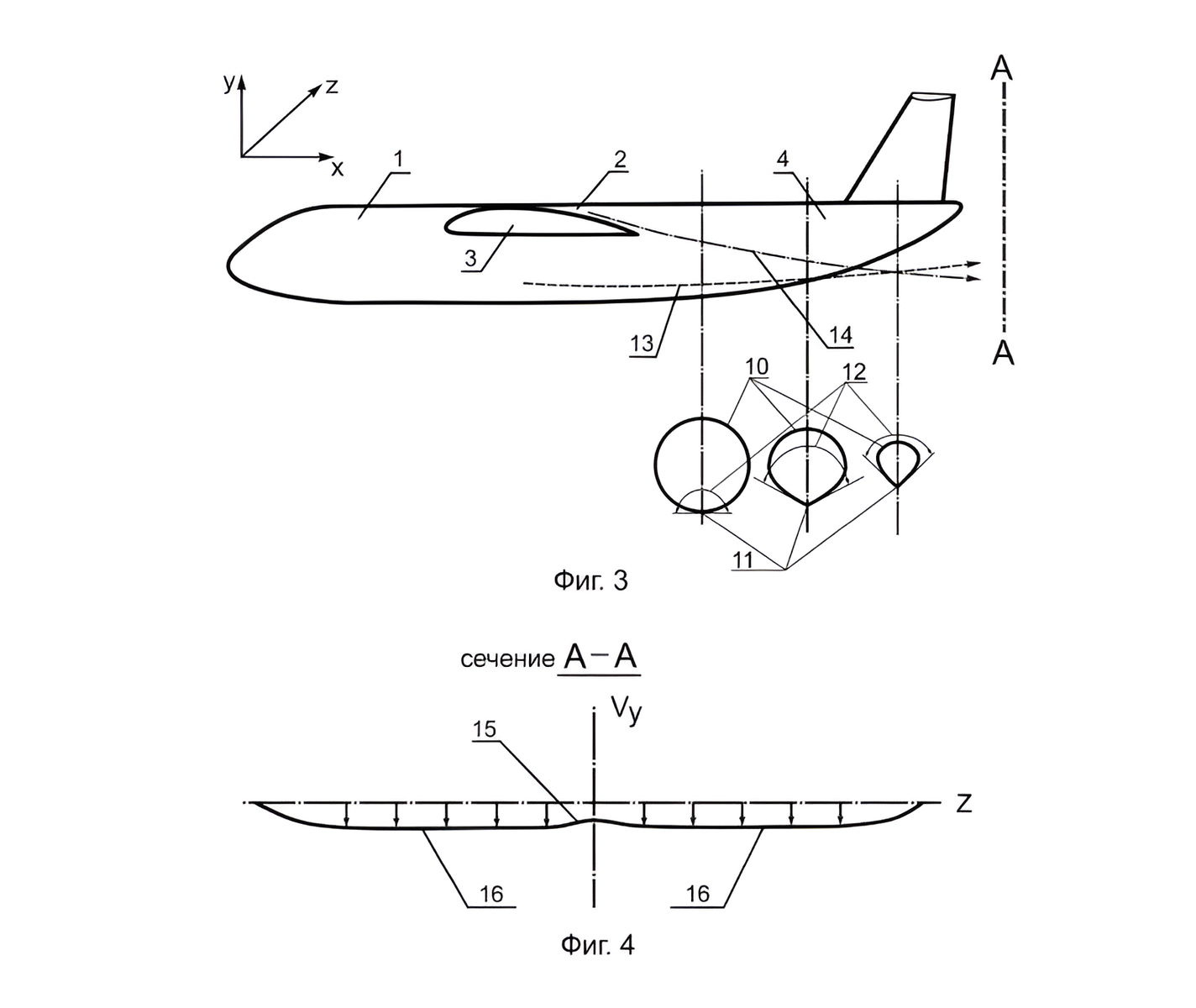
The angle of the break varies over a wide range, allowing the scheme to be adapted to a specific aircraft layout.
How This Affects the Flow
This solution equalizes the interaction of flows from the wing and fuselage and reduces energy losses at cruising speed.
Model tests in a wind tunnel showed an increase in aerodynamic efficiency of 0.4–0.5. For civil aviation, this means either reduced fuel consumption or increased range without changing engines.
Read more on the topic:
- Supersonic aircraft "Strizh" with a "dark cockpit" to be developed by 2028
- Russia to start building passenger supersonic aircraft – government confirmed
- Russia's new supersonic aircraft will abandon the "highlight" of the Tu-144
Never miss our newsAdd this site to your preferred sources to see us more oftenAdd on Google

















