Translated with AI from the Russian original.
May 2026 is a rare occasion when bright cosmic events will occur in the sky for almost the entire month. Russians can expect two full moons, a meteor shower from Halley's Comet, and several beautiful conjunctions of the Moon with planets. However, not everything will be equally spectacular – some phenomena look better in theory than in reality.
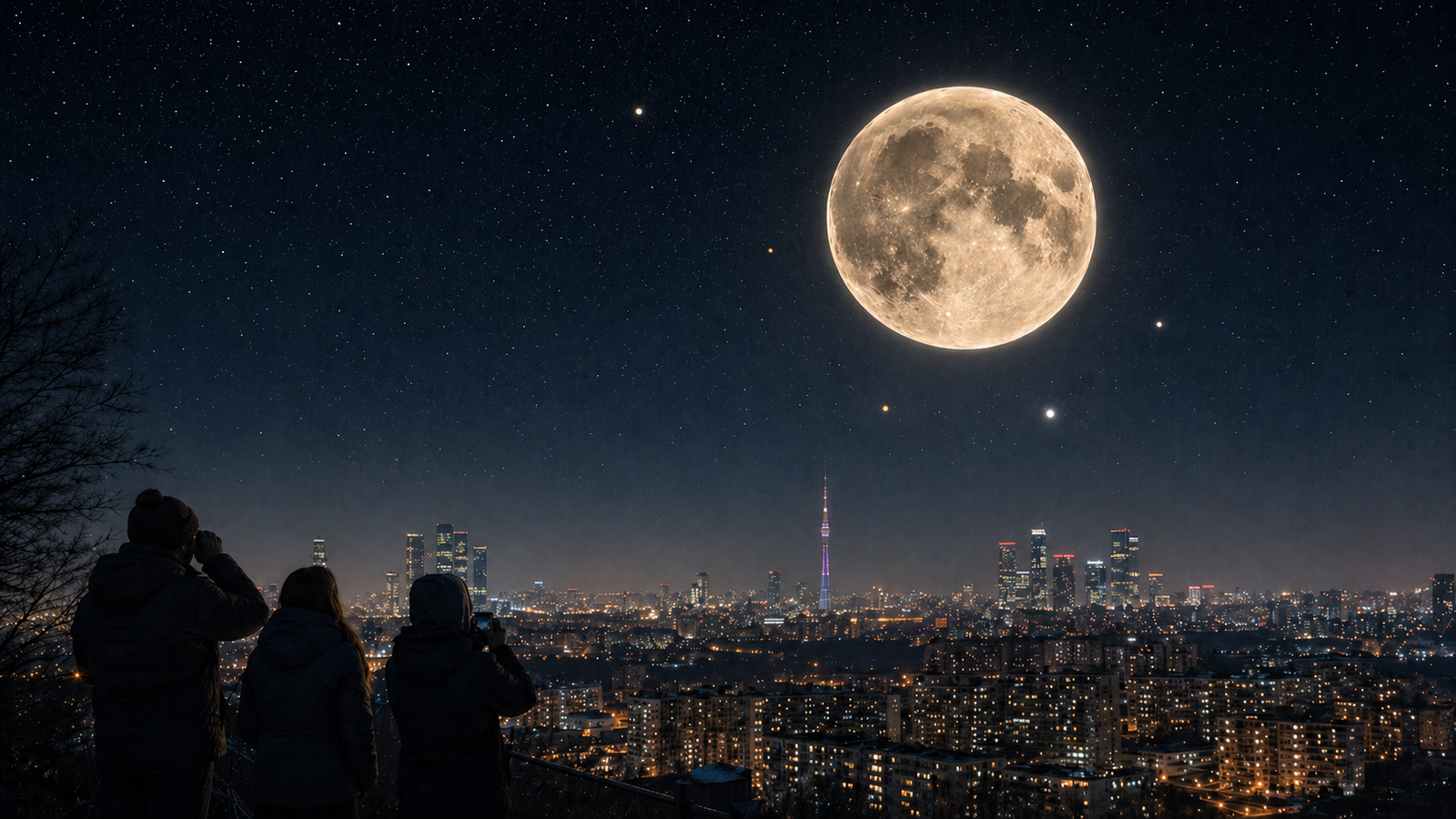
Two Moons in one month
May will begin with a bright event – on May 1, the Flower Full Moon will occur. This is a regular full moon, but with a beautiful name: it was given due to the flowering season in the Northern Hemisphere.
But the end of the month will be truly unusual. On May 31, another full moon will occur – the so-called Blue Moon. Earth's satellite will not turn blue. The Moon is called "Blue" simply because it is the second full moon in one calendar month – a rare phenomenon.
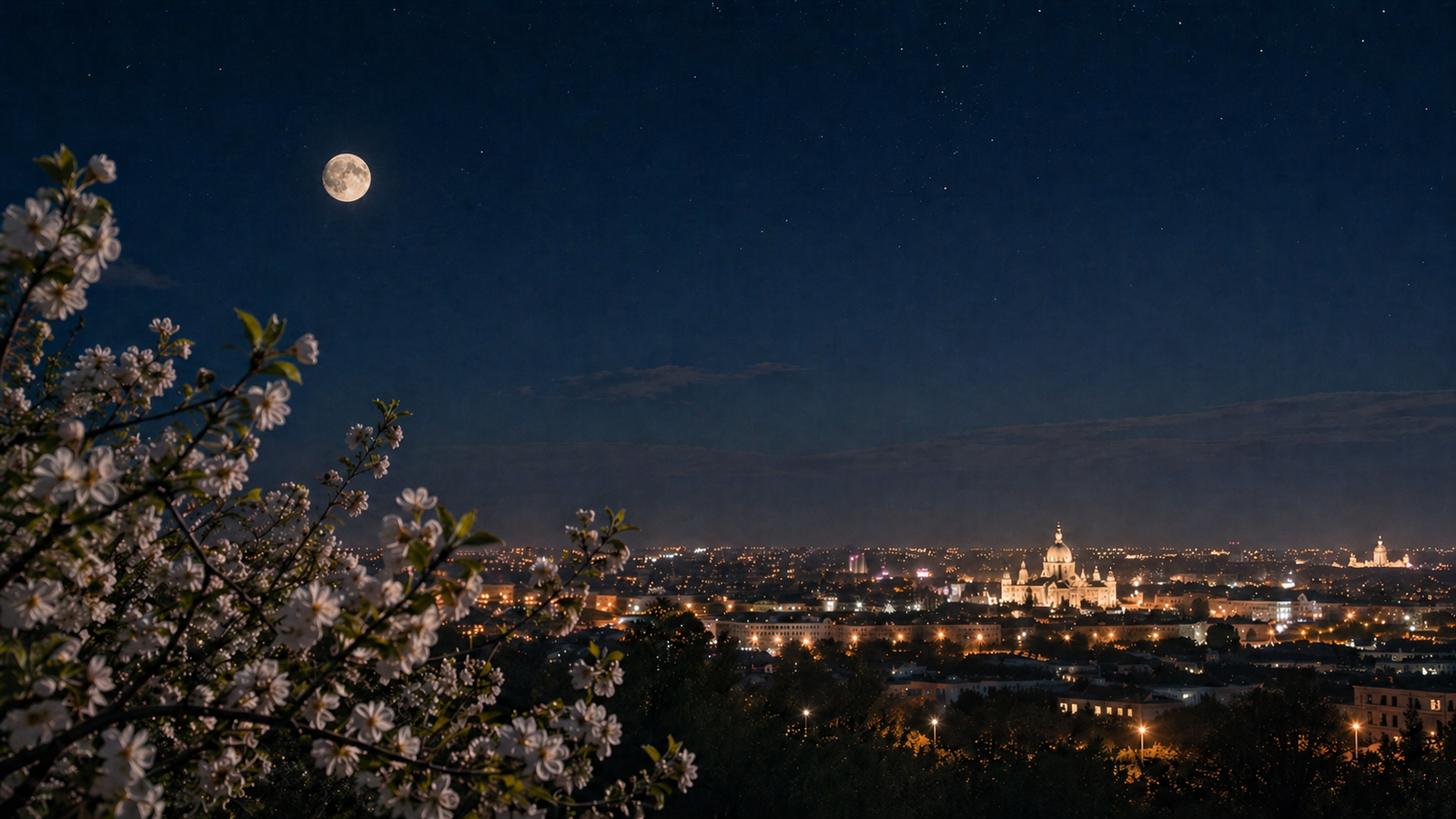
On May 31, it will also be a micro-full moon. The Moon will be further from Earth and may visually appear smaller than usual.
Russians will be able to see a meteor shower in May
The main event of early May will be the Eta Aquarid (ŋ-Aquarid) meteor shower, which will peak on the night of May 5-6. These are dust particles from Halley's Comet that burn up in the atmosphere and look like "falling stars".
However, in practice, it's more complicated. The radiant point from which the meteors "fly out" is located in the constellation Aquarius – it is better seen in southern latitudes. Therefore, in southern Russia, there is a greater chance of seeing more "falling stars," while in the middle latitudes, they will appear low above the horizon and be less noticeable.
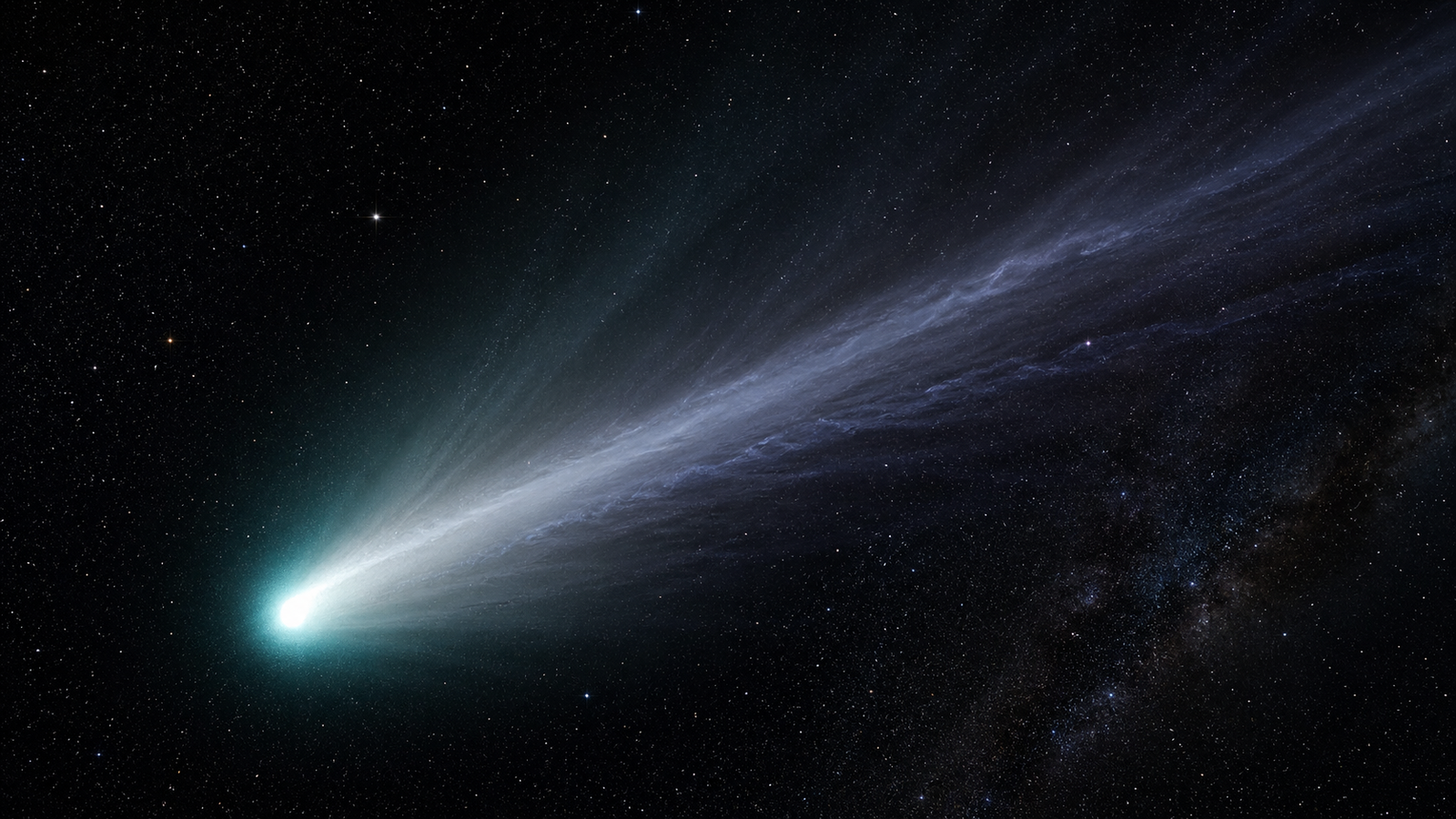
Moreover, in 2026, the bright Moon will interfere. Although the peak of the shower is expected on the night of May 5-6, and ideally up to 50 meteors per hour could be seen, in reality, significantly fewer will be visible due to moonlight.
Dark sky – the best time for observations
A new moon is expected on May 16. The Moon is almost invisible at this time, but this is a plus: the sky in a number of regions becomes as dark as possible. It is on such nights that it is best to observe stars, the Milky Way, and distant objects, if you have binoculars or a telescope.
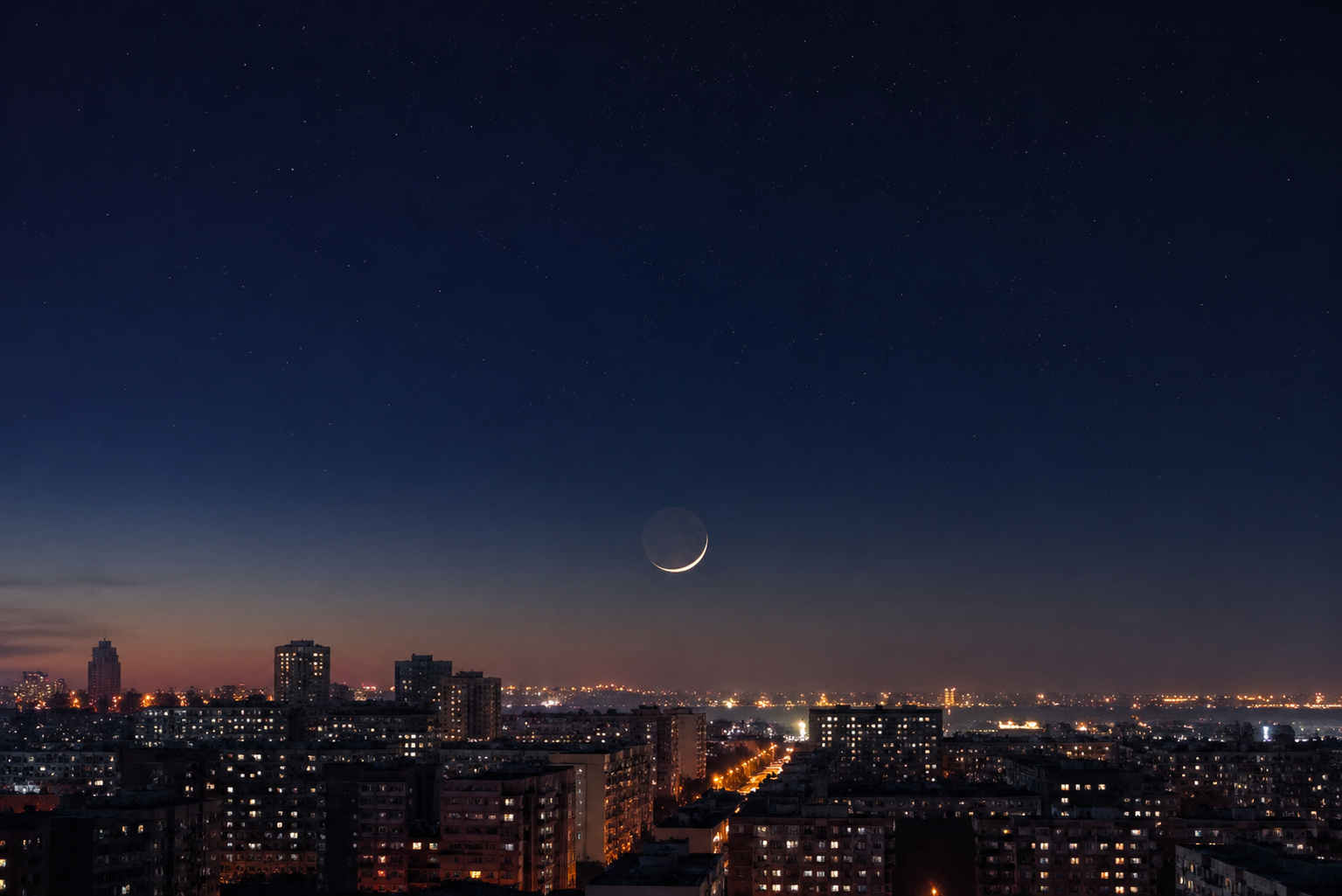
This moment is sometimes called a "super new moon" – the Moon is closer to Earth, but visually it is almost imperceptible.
Moon near planets
In May, there will be several simple and beautiful observations – the Moon near bright planets:
- May 13 – near Saturn;
- May 14 – near Mars;
- May 19 – a thin crescent Moon near Venus;
- May 20 – near Jupiter.
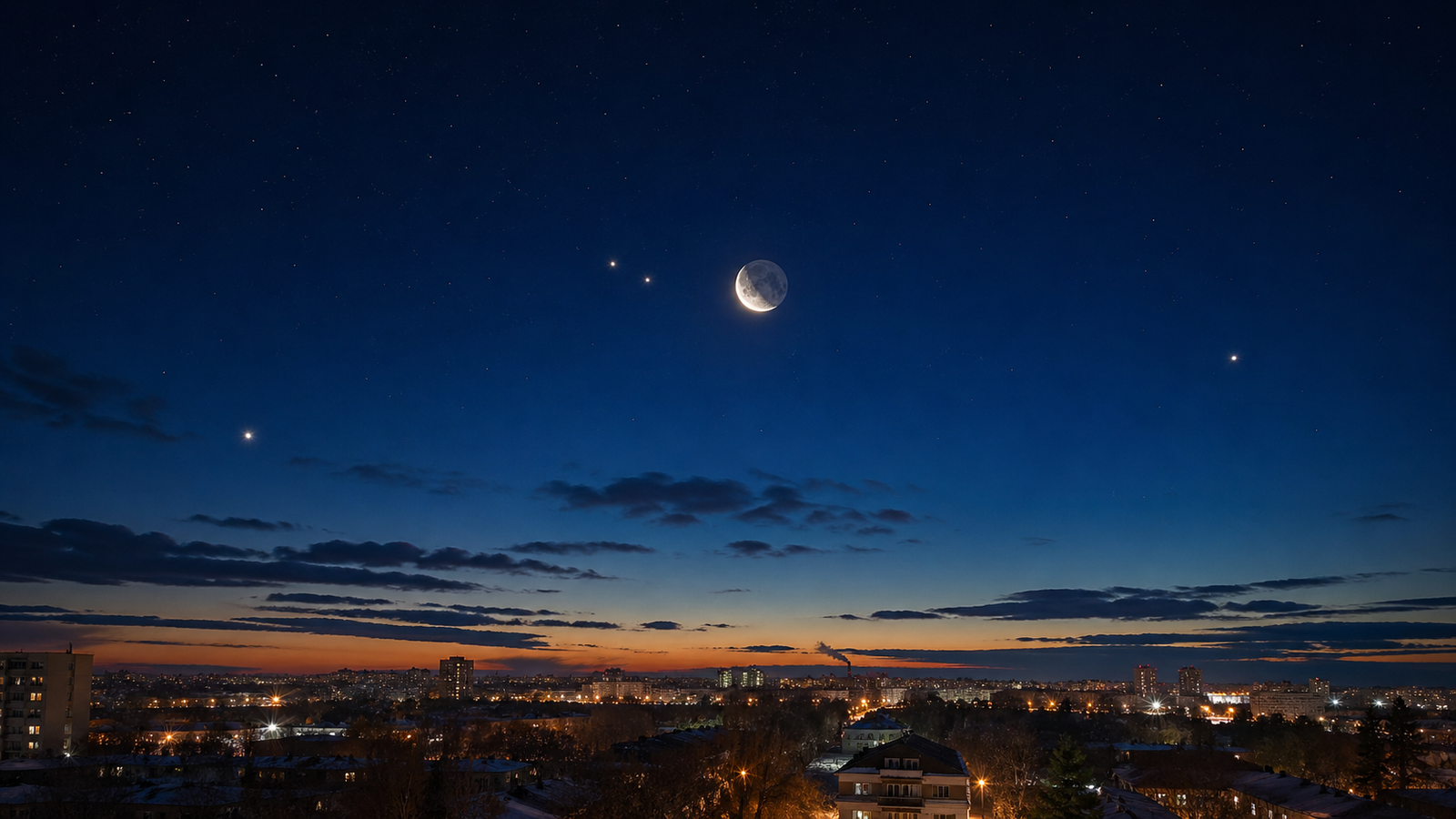
This is a good option even for those who are not versed in astronomy: you see the Moon and a bright "star" nearby – this is most likely the planet.
Beautiful sky effect that is easy to miss
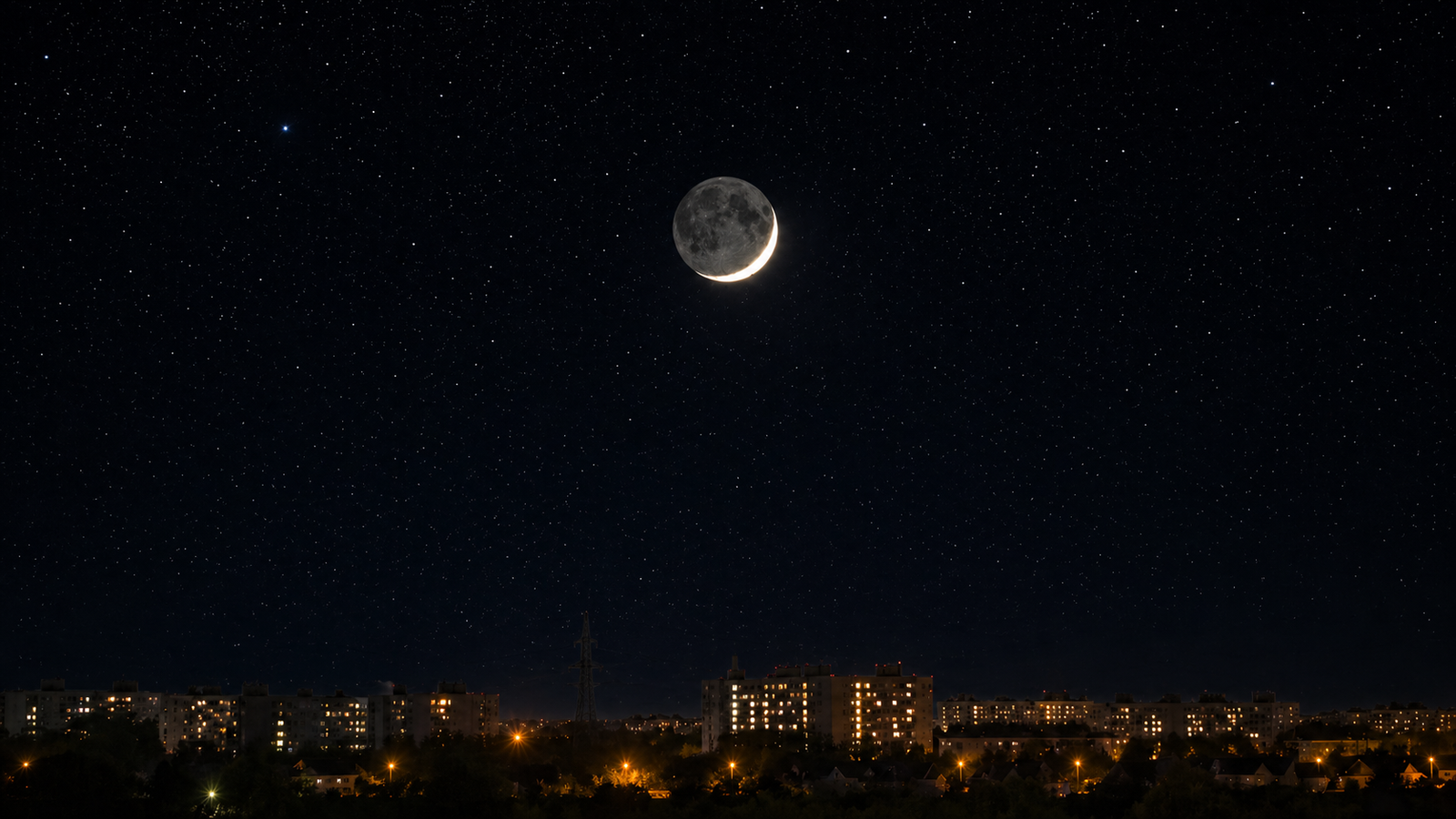
In the middle of the month, you can see the ashen light of the Moon – when the dark part of the disk glows slightly.
This happens due to the Earth's light reflecting back onto the Moon.
The most suitable dates are considered to be May 12-13 and May 19-20.
Calendar of cosmic phenomena for May 2026
- May 1 – Flower Full Moon, the first of two full moons this month;
- May 5-6 – peak of the Eta Aquarid meteor shower, but observations will be hindered by the bright Moon;
- May 13 – thin crescent Moon near Saturn;
- May 14 – Moon near Mars;
- May 16, 23:01 MSK – new moon;
- May 19 – Moon near Venus;
- May 20 – Moon near Jupiter;
- May 31 – Blue Moon and micro-full moon (second full moon of the month).
Read more on the topic:
Never miss our newsAdd this site to your preferred sources to see us more oftenAdd on Google

















