Translated with AI from the Russian original.
The concept of the prospective MiG-41 interceptor, which may be capable of unmanned flight, is increasingly discussed online. The key reason is the anticipated speeds and G-forces, at which a human becomes a limiting factor.
Speeds beyond pilot capabilities
It is assumed that the new aircraft will be a development of the MiG-31 line, but will go beyond classical aviation. Estimates include speeds of up to Mach 4–5 and altitudes close to the edge of near space.
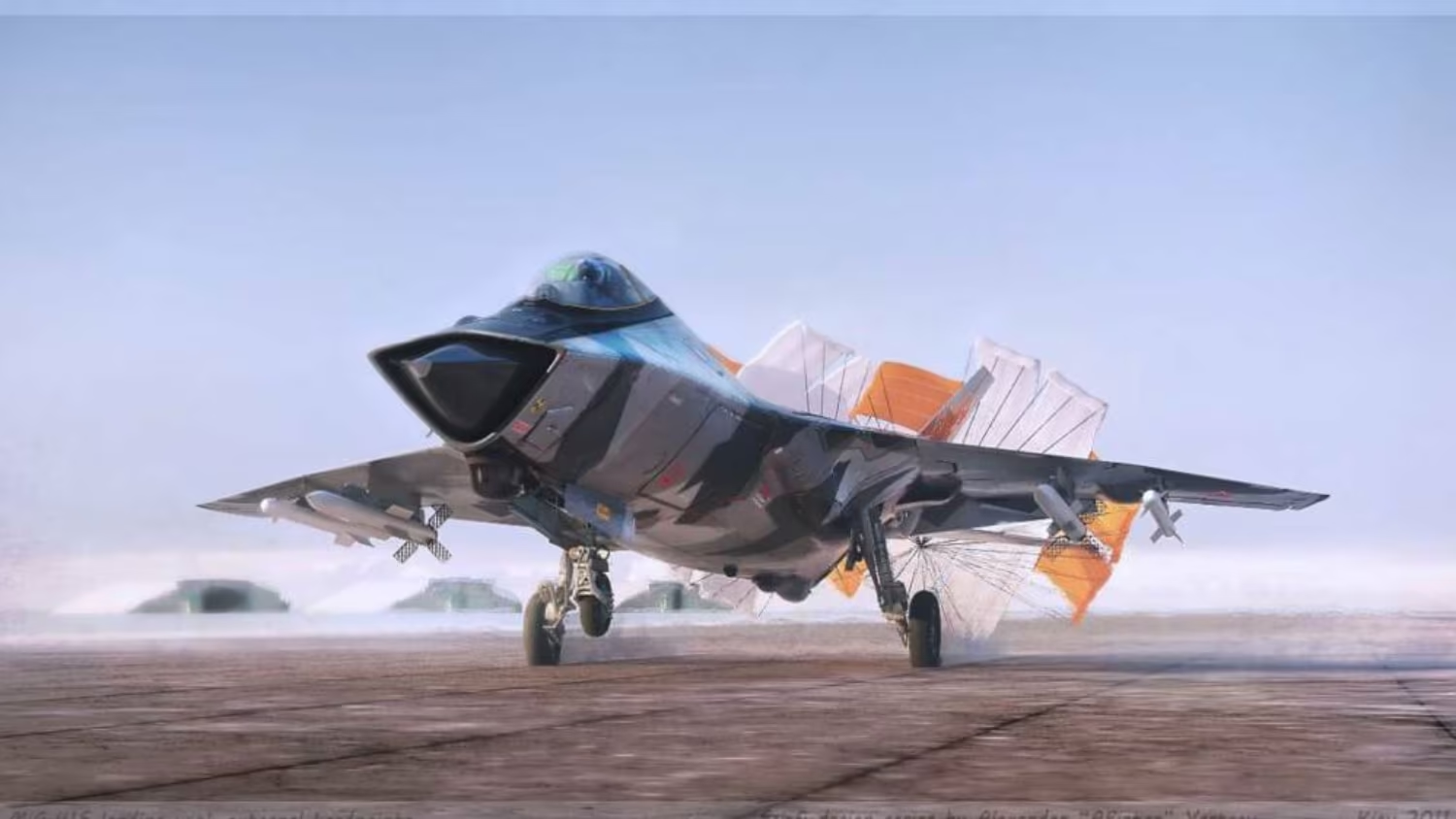
At such regimes, even short-term maneuvers can create G-forces critical for the pilot, and reaction time is reduced to fractions of a second.
Hybrid scheme — pilot or autonomy?
In this regard, a hybrid architecture option is being considered: the aircraft will be able to perform tasks both with a crew and in a fully autonomous mode.
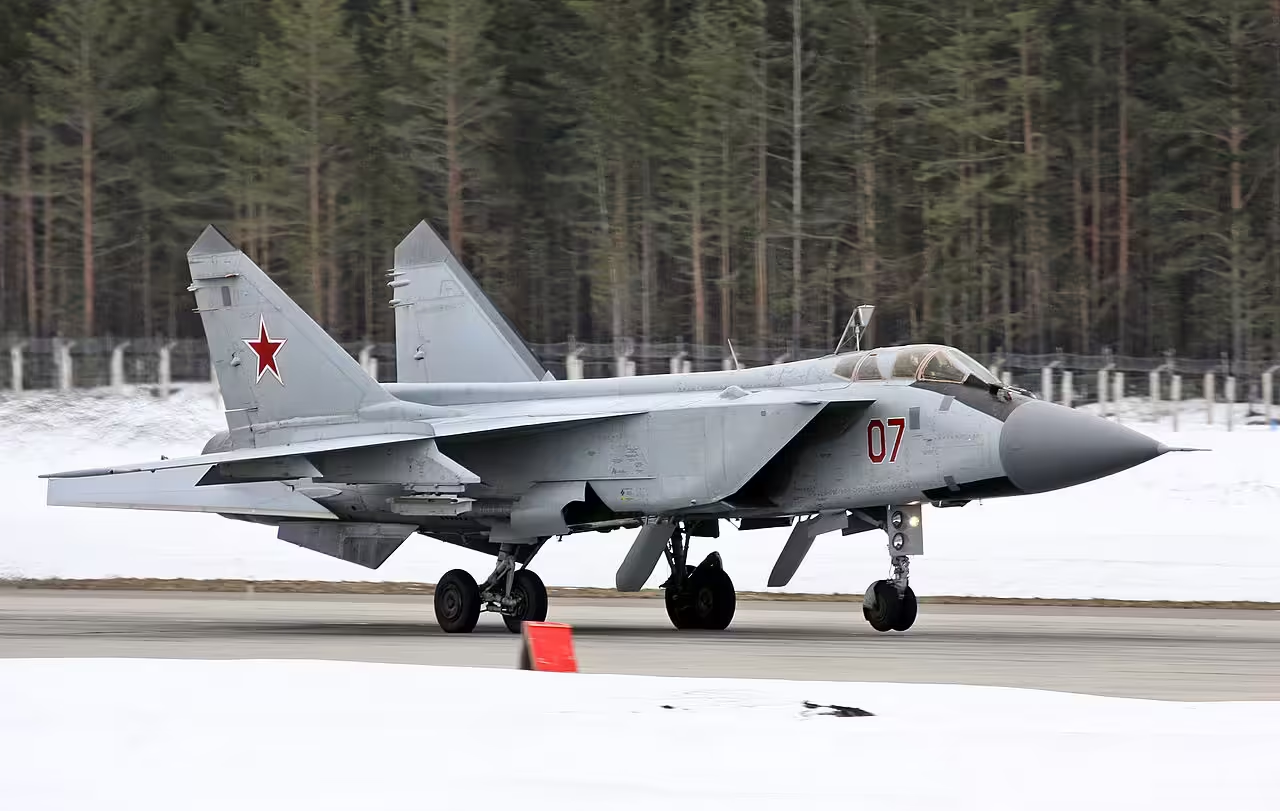
This approach will allow the machine to be used in various scenarios — from classical interception to operations in conditions where human presence is undesirable.
Bet on artificial intelligence
Control systems, according to estimates, will rely on elements of artificial intelligence.
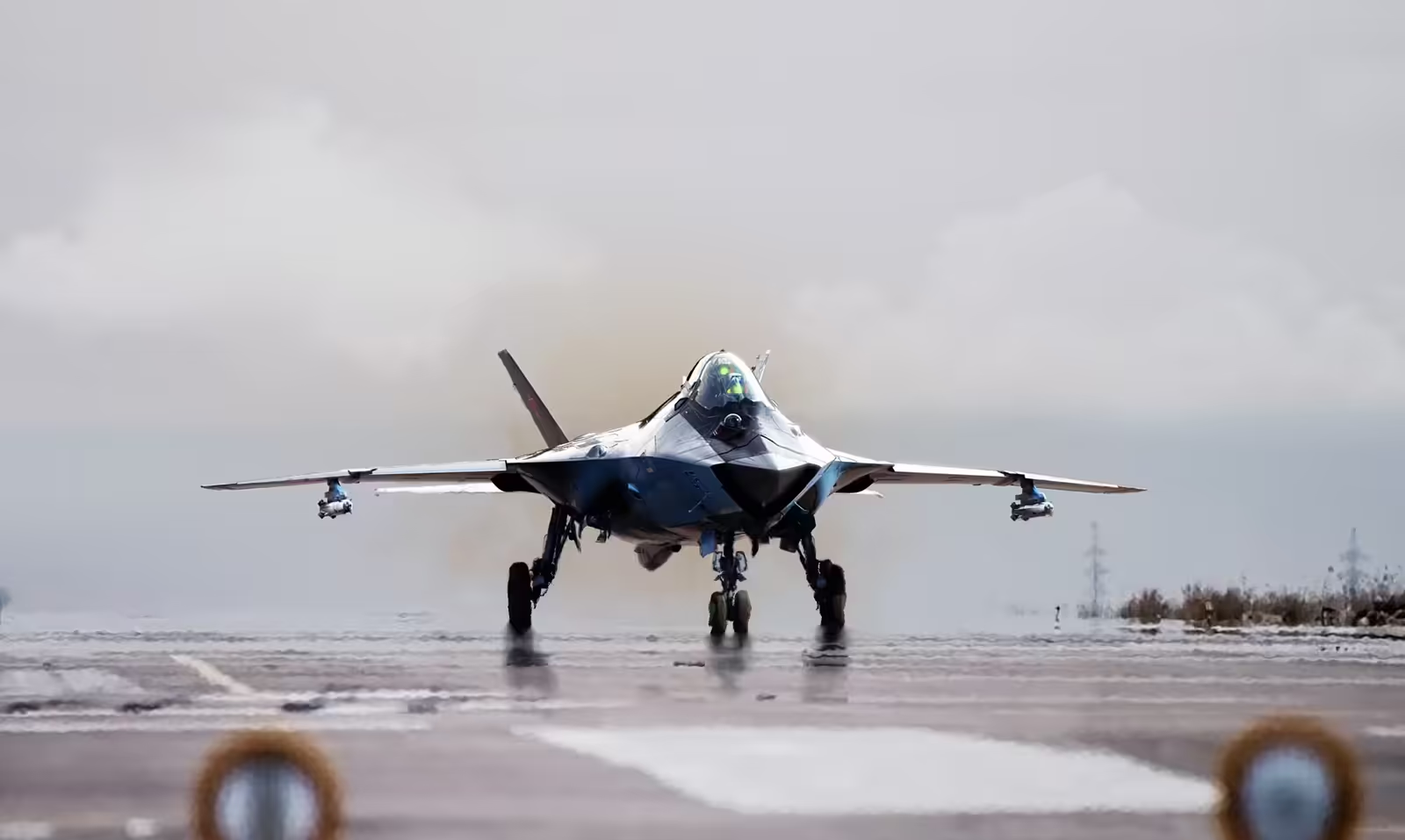
They will be able to analyze the situation faster, distribute targets, and make decisions in high-speed combat conditions, where even a second's delay becomes critical.
Link with drones
Integration with strike UAVs, including heavy aircraft such as the S-70 "Okhotnik", is also being discussed.
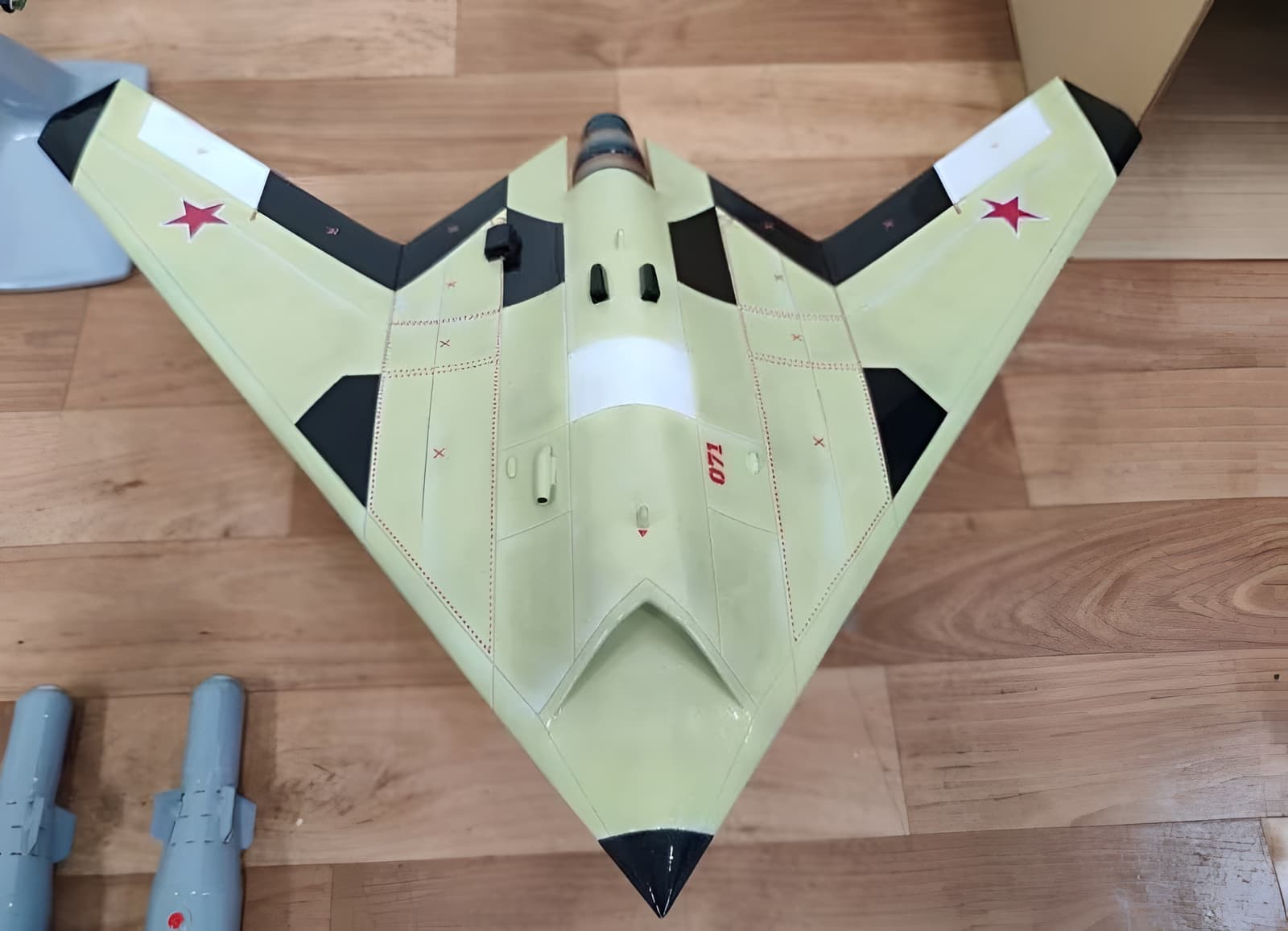
In such a configuration, the interceptor can act as a command center, coordinating the actions of a group of drones and expanding the control zone.
When to expect?
The project implementation timeline remains a subject of discussion. The industry suggests the new interceptor could appear in the second half of the decade, but there are no official confirmations of its characteristics and program stages yet.
Read more on the topic:
Never miss our newsAdd this site to your preferred sources to see us more oftenAdd on Google

















