From the beginning of April, Russian drivers will have to follow several important topics at once. There will be an annual recalculation of the "bonus-malus" coefficient for OSAGO, Moscow is completing preparations for the season of electric scooters and bicycles, and the automotive market is discussing what prices will be. More details in the article.
OSAGO Cost Will Be Recalculated
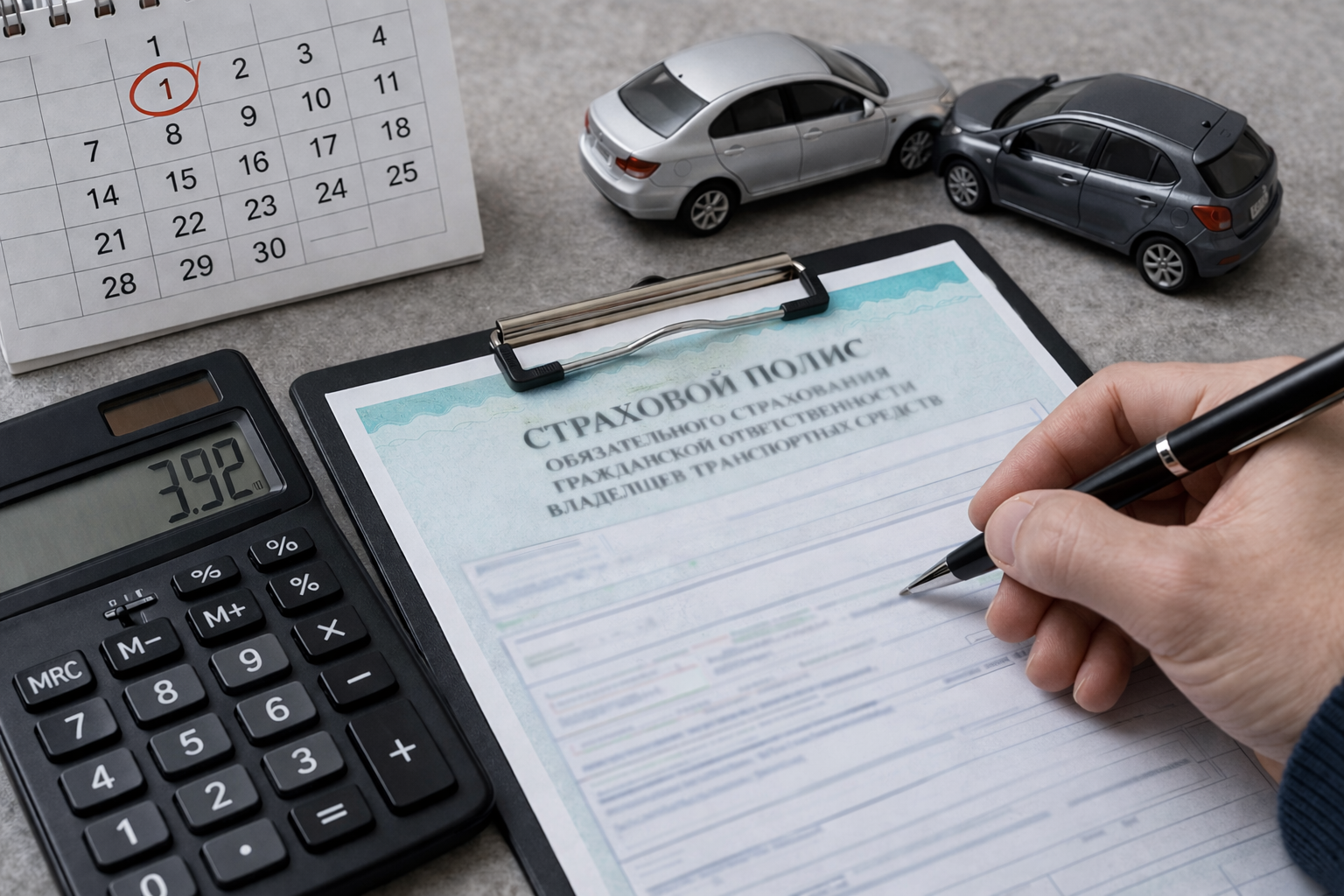
On April 1, the "bonus-malus" coefficient, or KBM, will be automatically recalculated in Russia.
This coefficient is applied to the base rate and affects the cost of OSAGO. Its value depends on how many times the policyholder was involved in an accident through their fault during the previous insurance period.
KBM is updated annually on April 1. After recalculation, the coefficient decreases for accident-free drivers, and increases for accident-prone drivers, on the contrary.
Currently, the minimum coefficient is 0.46, and the maximum is 3.92.
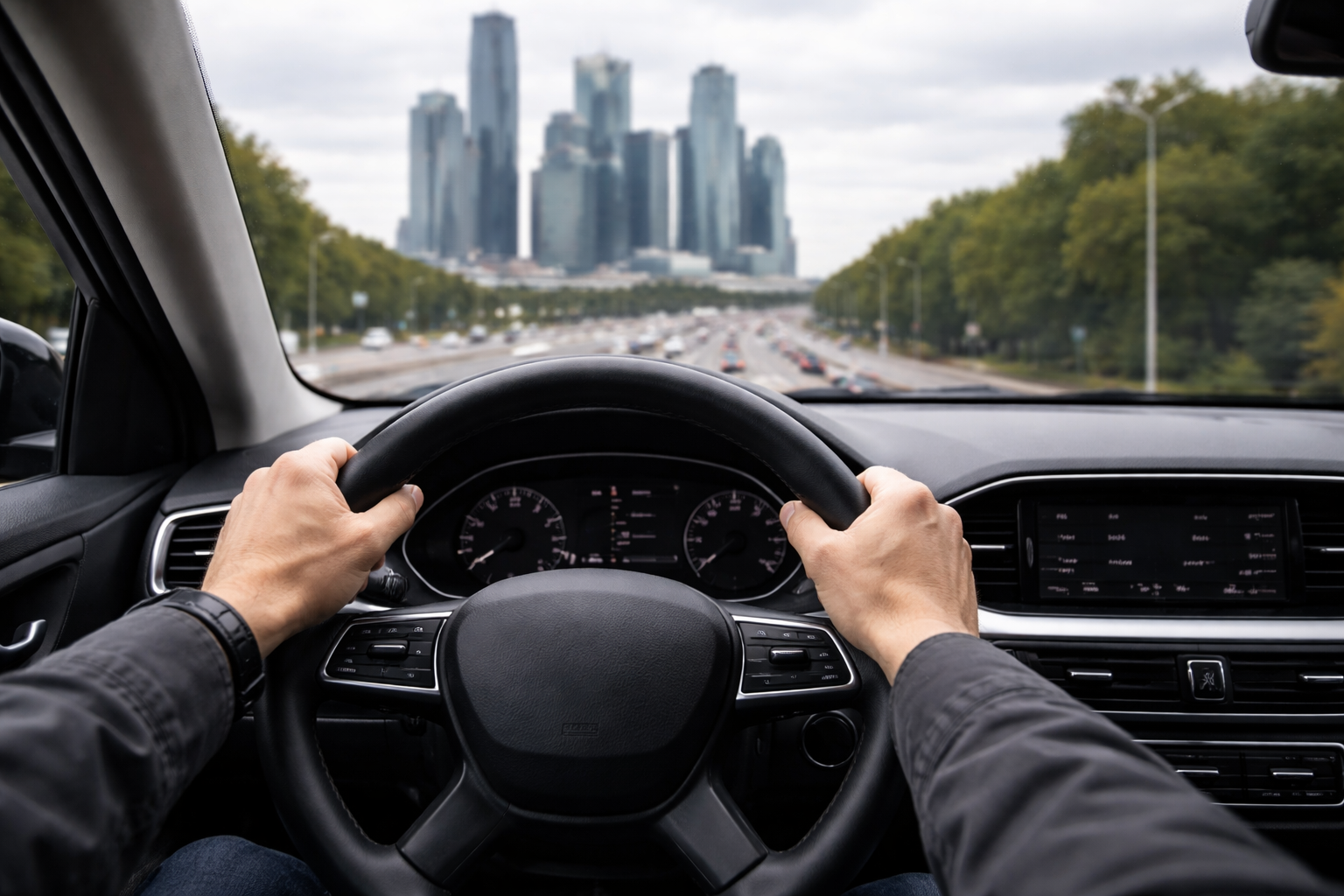
Moscow Expects the Soon Start of the Electric Scooter and Bicycle Season
Moscow expects the soon start of the electric scooter and bicycle season. This was announced by the capital's Department of Transportation.
Deputy Mayor of Moscow Maxim Liksutov noted that the Department of Transportation, together with rental operators, is completing the necessary preparations. This season will be the ninth for electric scooter rentals, and the 13th for bicycles.
The Department of Transportation emphasized that all personal mobility devices must be in good working order, clean, and equipped with license plates of a single format, which was approved last year.
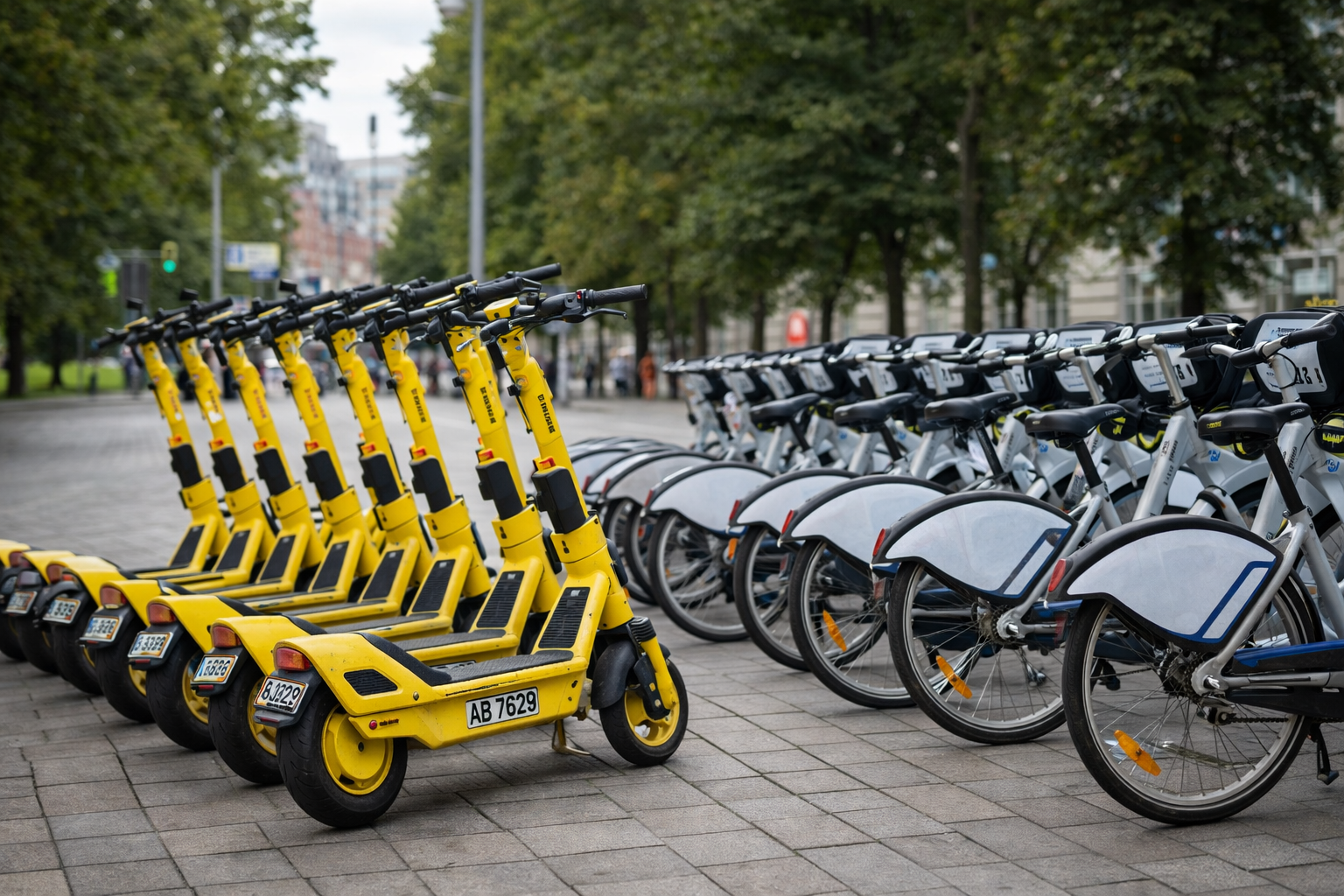
They also reminded that for comfortable and safe movement of personal mobility devices in the city, there are more than 420 slow zones near MCD and MCC stations, in parks, near stops and the metro. In addition, special markings have been applied in 250 locations.
New Cars May Become More Expensive
The head of the analytical agency "Autostat," Sergey Tselikov, told Autonews.ru that prices for new cars in Russia are currently slowly rising, and this trend, in his opinion, will continue in April 2026.
A similar assessment was given by the CEO of the Interleasing group of companies, Artyom Alyoshkin. According to him, from April 1, an additional price jump of 5–20% is possible, depending on the model and brand. According to his assessment, cars imported through parallel imports, as well as premium foreign cars, may become more expensive the most.
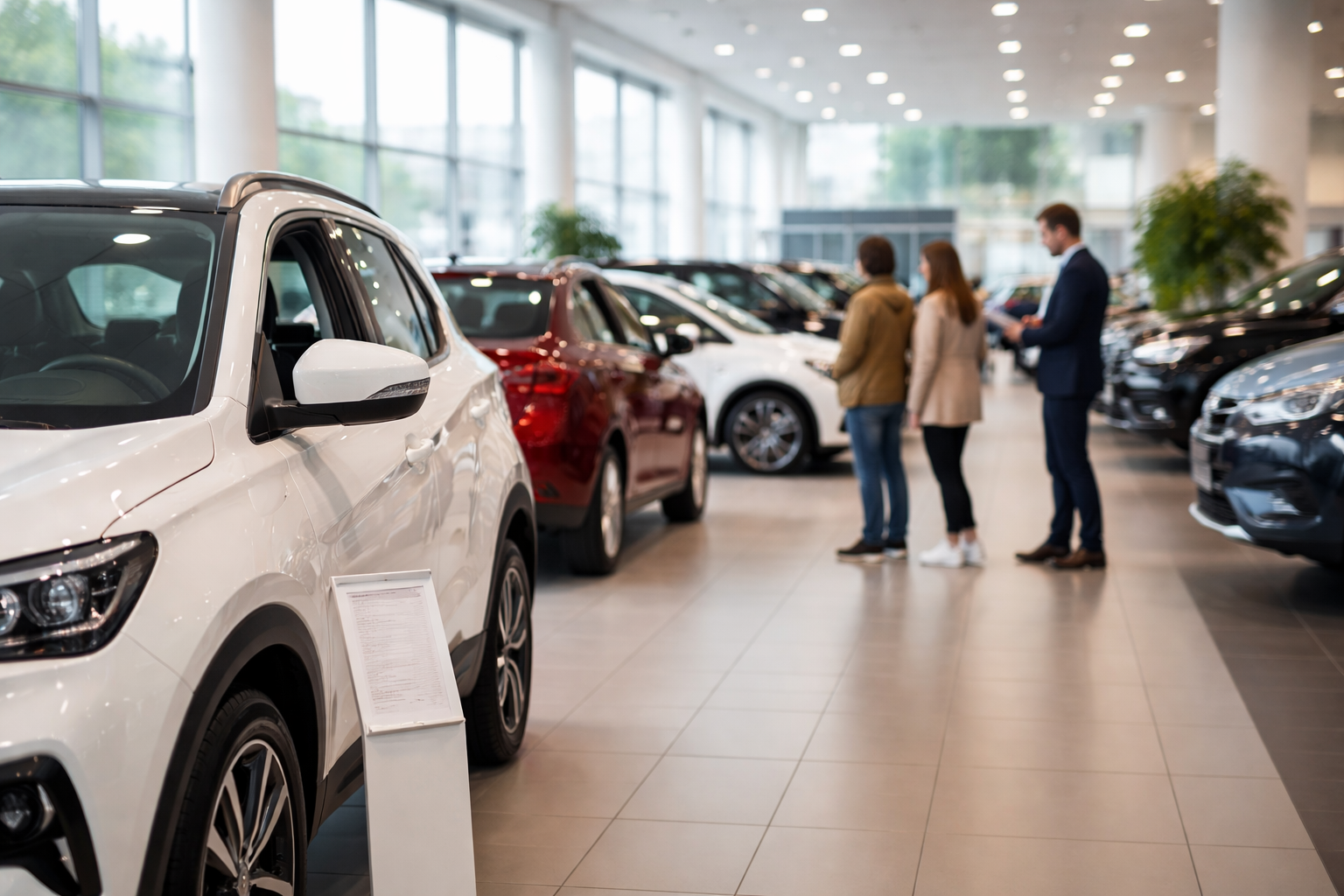
At the same time, the sales director of new cars at Rolf, Nikolai Ivanov, looks at April more calmly. According to him, there are no prerequisites for a sharp increase in prices, but a slight correction is possible — approximately within 1.5–2%.
Generous Discounts May Become Less
Artyom Alyoshkin said that significant discounts should not be expected in April. At the same time, special offers from manufacturers, dealers and leasing companies, according to him, will continue to operate.
As the expert noted, on average, the benefit of such programs can range from 100 thousand to 900 thousand rubles, especially if you use trade-in and borrowed funds.
Nikolai Ivanov, in turn, predicted a reduction in some discount programs. According to him, at the beginning of 2026, sales were stimulated by marketing promotions, but against the background of a revival in demand, the need for such measures may decrease.
Car Maintenance May Also Change in Price
Deputy General Director for the VIP direction of the Avtodom group of companies, Roman Timashov, told Autonews.ru that if we compare the first quarter of 2025 with the first quarter of 2026, the average check in the premium segment remained unchanged and amounts to 33 thousand rubles. In the mass segment, according to him, there is an increase of 5% — up to 19 thousand rubles.
At the same time, Timashov believes that prices for car maintenance will not fundamentally change from April 1, 2026. He explained that the spring season is stretched in time, and car owners do not have a strict deadline when they need to do tire fitting or service the car. According to him, some drivers will carry out these works on their own, without the help of service stations.
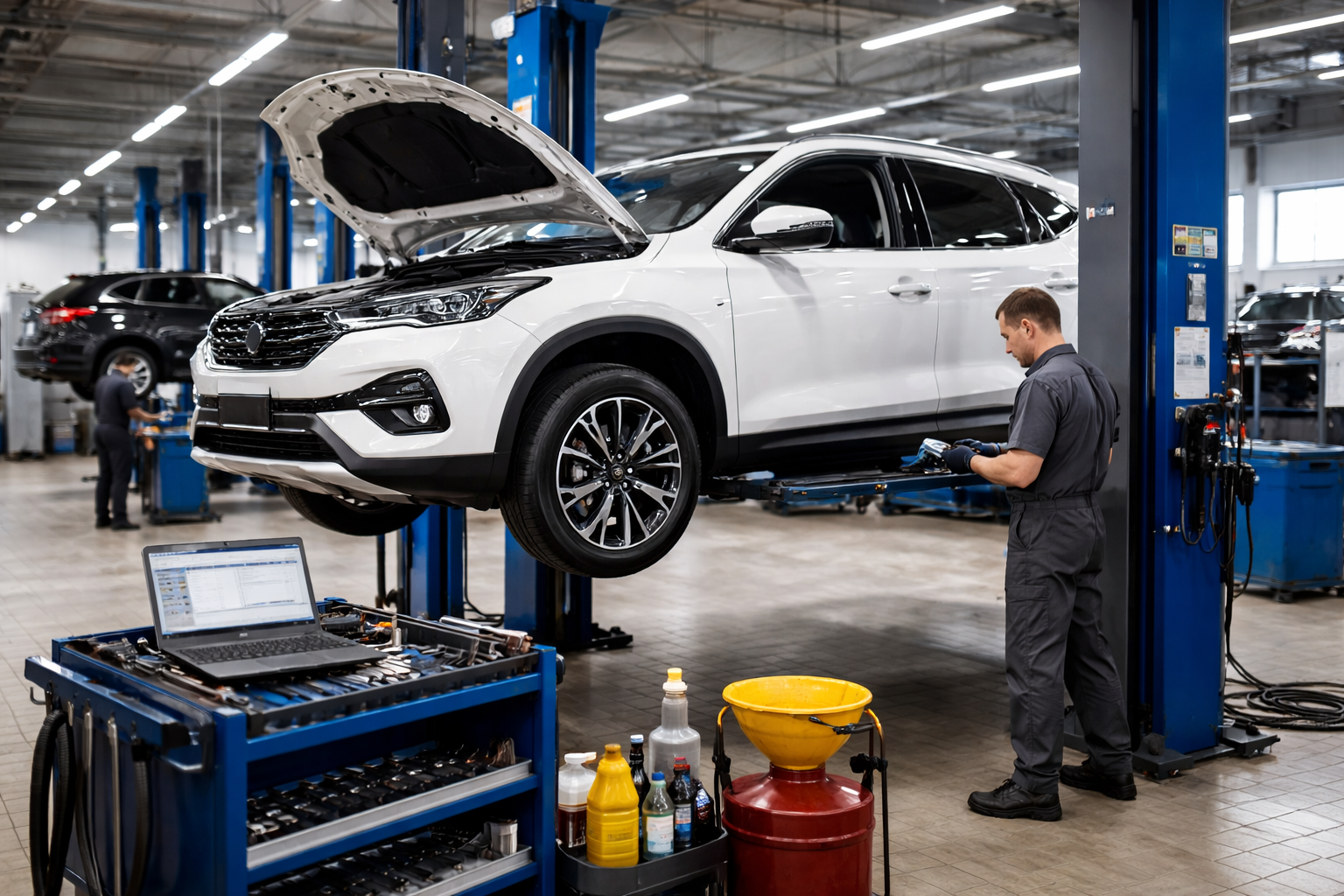
At the same time, the expert noted that the price may change for goods that come through parallel import channels and depend on the exchange rate and logistics chains.
According to him, if there is a shortage of items on the market that were supplied from the Middle East, this may also lead to an adjustment in the cost of spare parts in stock. He does not see any additional risks other than geopolitical ones.
The Moratorium on SOS Buttons May Be Canceled Ahead of Schedule
The Ministry of Industry and Trade has proposed to prematurely lift the moratorium on SOS buttons, which is scheduled to last until the end of 2027. New dates are not yet known.
If a car is equipped with an emergency response system unit, emergency services are called automatically in the event of an accident. If necessary, assistance can also be called manually by pressing the SOS button, or ERA-GLONASS.
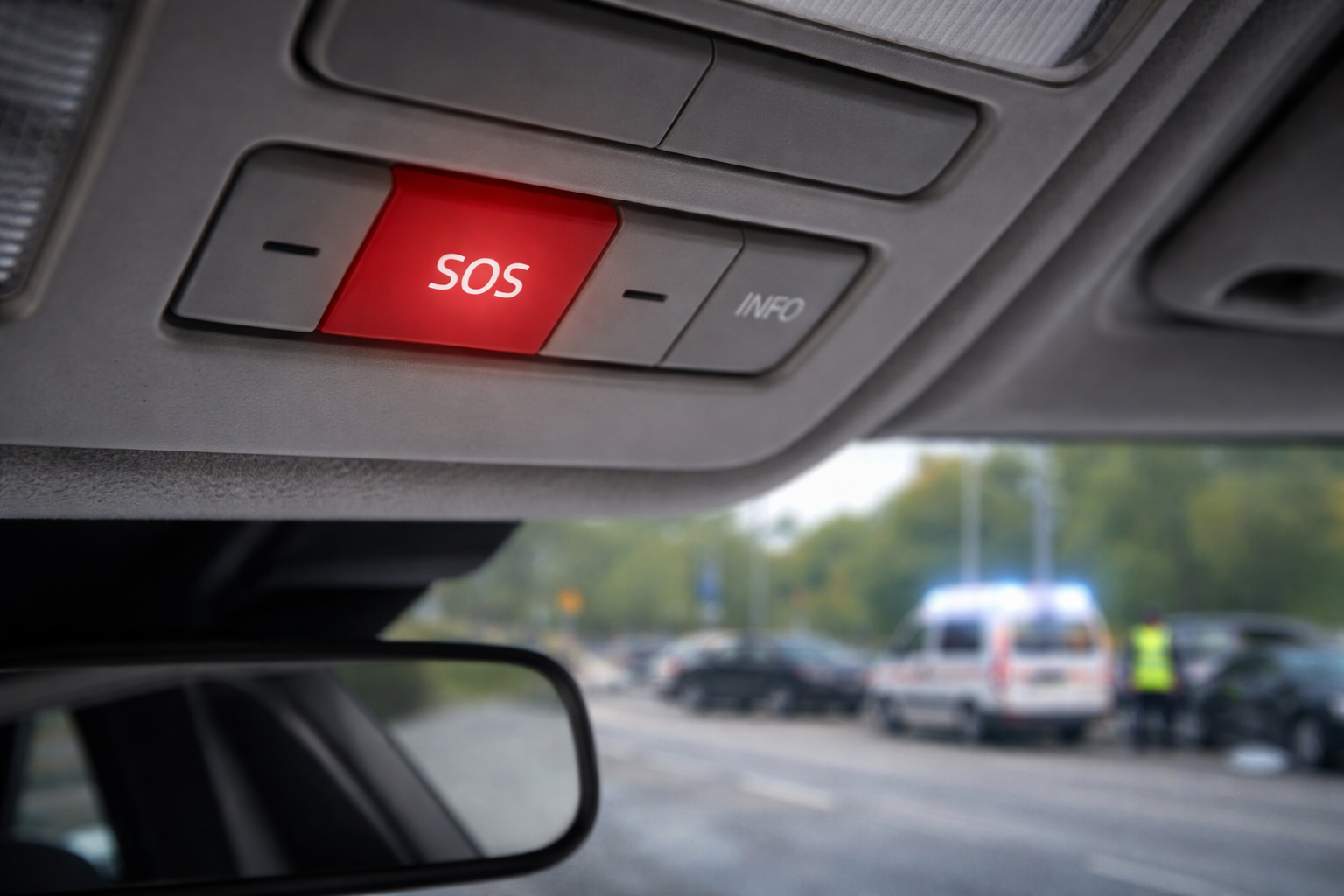
The moratorium on the mandatory installation of ERA-GLONASS was introduced by government decree No. 855 of May 12, 2022. The reason was a shortage of these devices due to a shortage of electronic components amid the pandemic and sanctions. The simplified technical regulation allowed not to install additional safety devices on cars.
The situation with the change in the rules for calculating the fee remains open
New rules for calculating the recycling fee for cars imported into the country from other EAEU countries — Armenia, Belarus, Kazakhstan, and Kyrgyzstan — may also come into force in Russia.
The author of the initiative was the Ministry of Industry and Trade. Initially, the date for the introduction of the new rules was April 1, 2026, but later the ministry announced that this date was no longer relevant.
According to the ministry's proposal, the calculation of the recycling fee for cars imported by individuals for personal use through the EAEU countries should be carried out according to a single formula. This will take into account the difference between duties, VAT, and excise rates in Russia and in other countries.
The Ministry of Industry and Trade explained that the new rules are not aimed at increasing the recycling fee, but at eliminating workarounds when importing cars.
Read more on the topic:
Never miss our newsAdd this site to your preferred sources to see us more oftenAdd on Google