Military Watch Magazine analyzed data from Russian experts on the price-effectiveness ratio of main battle tanks compared to modern strike drones. The journalists concluded that from a purely engineering and economic rationality standpoint, the cost of one unit of traditional armored vehicles significantly exceeds the price of modern means of destruction that can neutralize it.
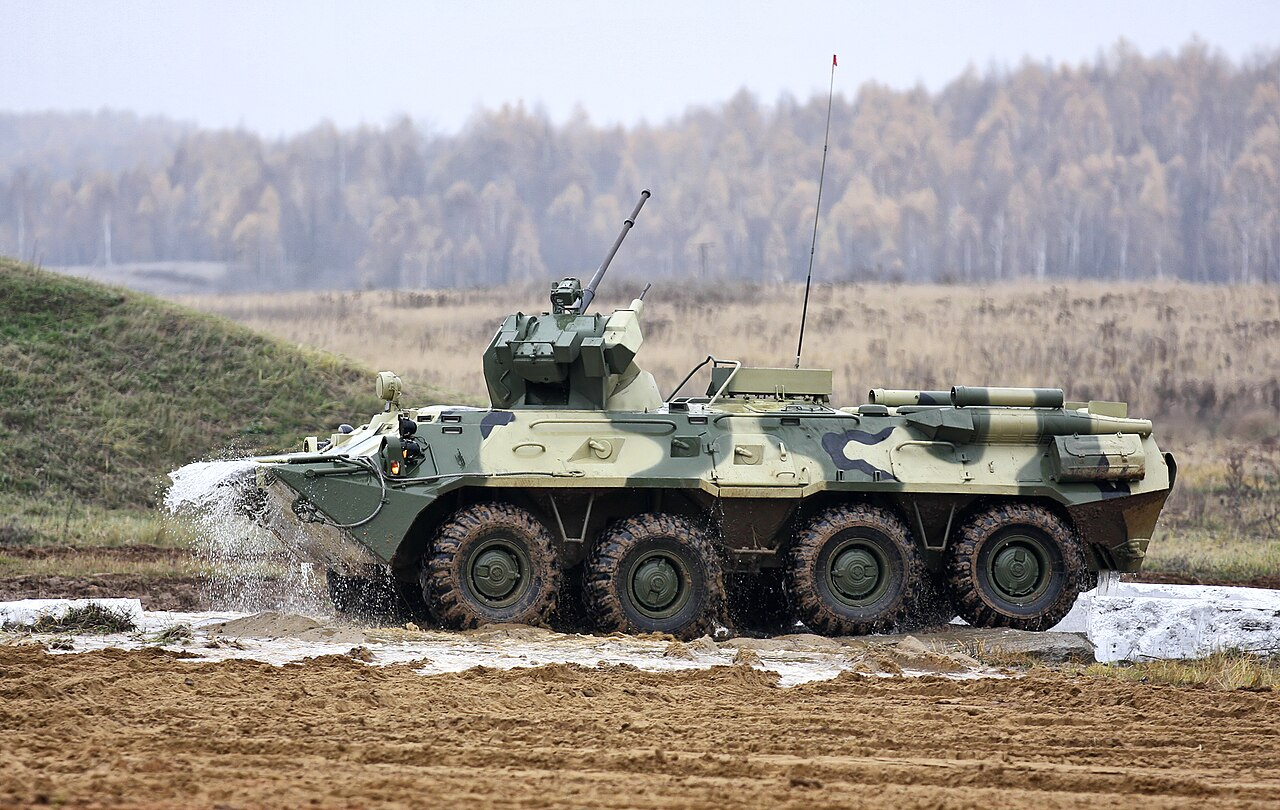
According to published calculations, a heavy FPV drone costs approximately $1,200. For comparison: the BTR-82A armored personnel carrier is estimated at $360,000, which is equivalent to 300 such drones. The BMP-3 infantry fighting vehicle costs about $1.04 million, which corresponds to almost 900 drones. The BMD-4M airborne assault vehicle costs $1.4 million, and the T-90M main battle tank costs $3.84 million. The latter figure is equal to the cost of approximately 3.2 thousand heavy drones. The prospective T-14 tank, if it ever goes into mass production, may be twice as expensive.
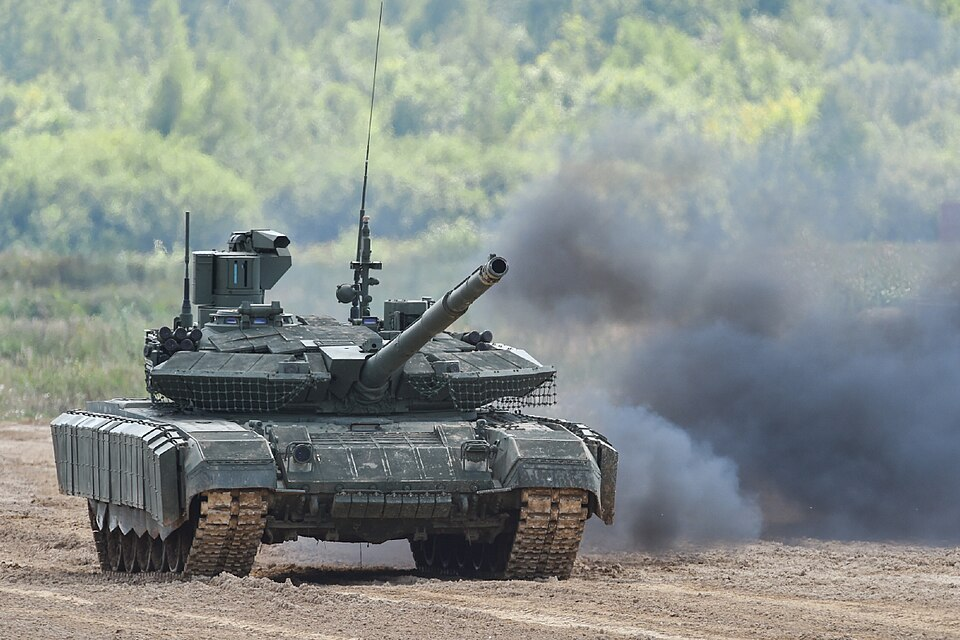
MWM draws attention to a key technical point: the comparisons presented do not take into account that modern drones of this class do not function fully autonomously. Simultaneously controlling three thousand devices would require many more operators than a crew of three for one tank. This creates organizational and logistical constraints that are currently holding back the mass use of swarm systems.
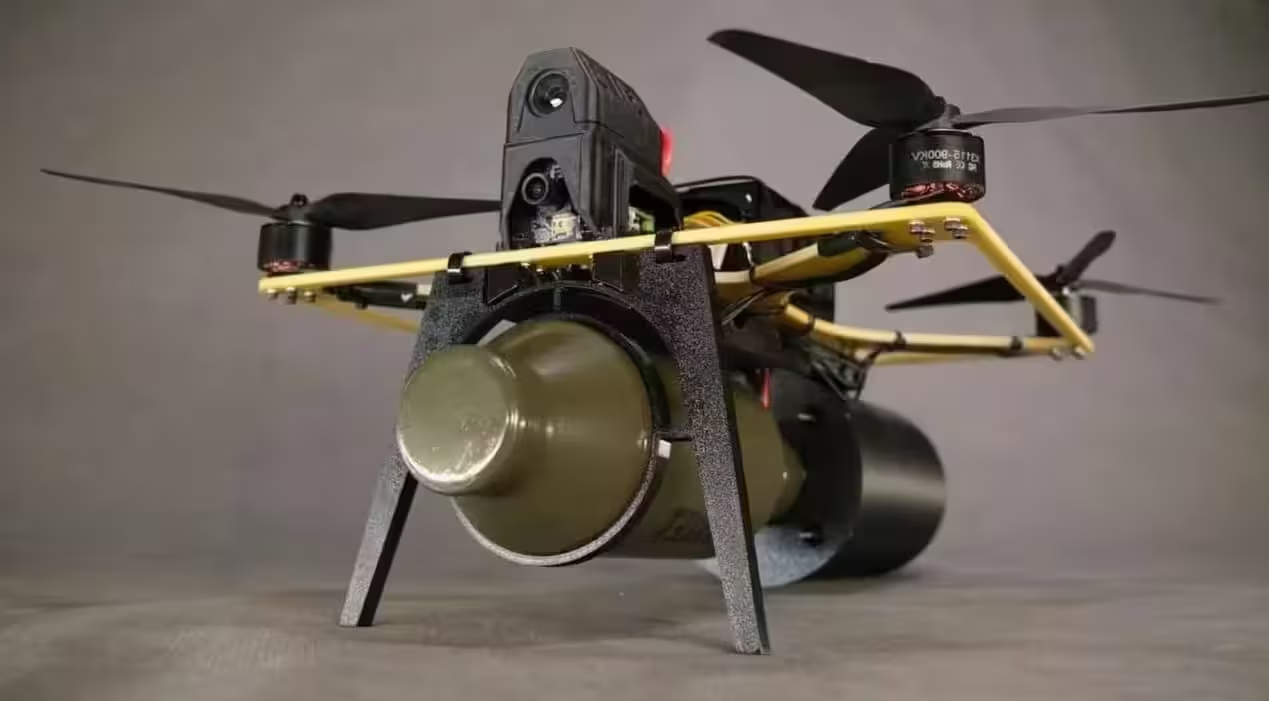
The key conclusion of the publication is this: the development of artificial intelligence capable of ensuring the complete autonomy of disposable strike drones could radically change the economics of defense procurement. If machines learn to operate without constant operator control, calculations of equipment effectiveness will require revision. Already today, the production of drones in Russia is growing faster than the production of main battle tanks, which reflects the industry's response to new technical challenges.
Military Watch Magazine emphasizes that it is not about replacing one platform with another, but about the need for a comprehensive approach to designing future systems. Engineers will have to find a balance between security, autonomy, cost, and scalability of solutions. The economic component is becoming as important a criterion as firepower or armor.
Read more on the topic:
Never miss our newsAdd this site to your preferred sources to see us more oftenAdd on Google