Translated with AI from the Russian original.
Based on the results of geological exploration work completed in 2025, Rosnedra placed 317 mineral deposits on the state balance sheet. Of these, 276 sites are solid mineral deposits, while 41 are hydrocarbon resources. The geography of the discoveries covers all key regions of the country: from Central Russia to Siberia, the Far East, and Arctic territories.
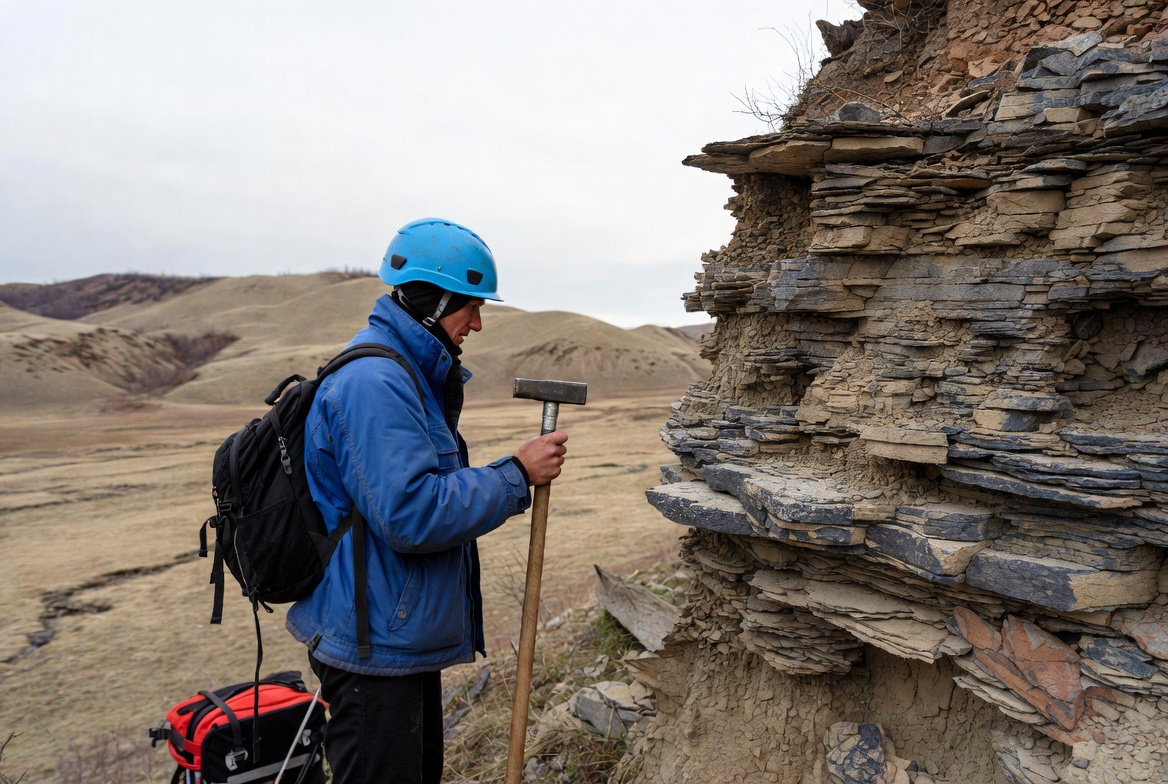
Strategic Priorities: Scarce Raw Materials and Critical Minerals
Special attention within the framework of federal funding was given to the search for scarce types of mineral raw materials. In Zabaykalsky Krai, the Gozogorskoye fluorspar deposit was identified with balance reserves of 5.1 million tonnes, a raw material in demand in metallurgy and the chemical industry. In Amur Region, the Getkanchikskoye deposit was discovered, containing 5.5 thousand tonnes of tungsten and an additional 800 kg of gold, which increases the site's economic attractiveness.
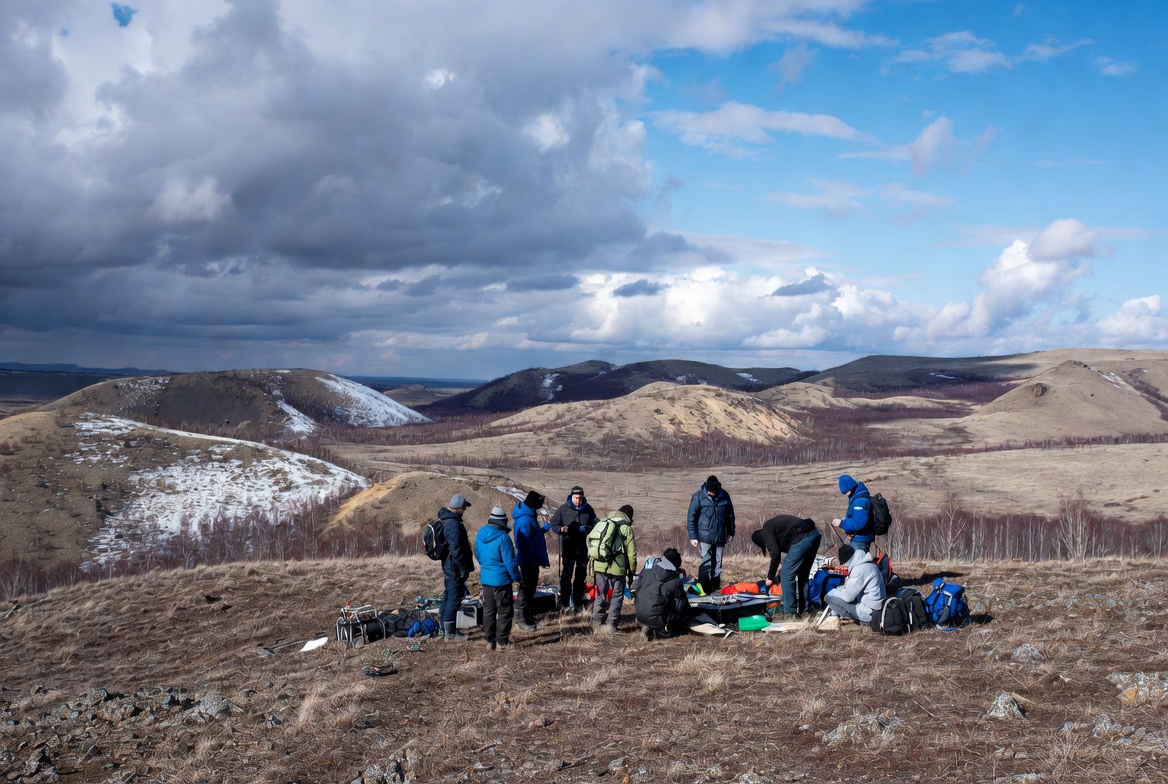
Leaders by Volume: Potash, Iron, and Titanium
In Saratov Region, two giant potash salt deposits were placed on the balance sheet: Ivanikhinskoye (981.6 million tonnes of sylvinite) and Tselinnoye (1.99 billion tonnes). In Zabaykalye, the Golevskoye deposit of synnyrite ores (163.9 million tonnes) was recorded as a promising source of non-traditional potassium-aluminum raw materials. Irkutsk Region expanded its resource base with the Zhidoyskoye deposit of apatite-perovskite-titanomagnetite ores with reserves of:
- iron ore — 218.8 million tonnes,
- titanium — 17.3 million tonnes,
- apatite ores — 6.3 million tonnes.
Non-Ferrous Metals and Gemstones
Krasnoyarsk Krai gained the Graviyskoye copper deposit with reserves of 243.4 thousand tonnes of copper and 242 tonnes of silver. In Kemerovo Region, the Sibirskoye Vostochnoye hard coal deposit (280 million tonnes) was entered on the balance sheet. In the precious metals sector, three key sites stand out:
- Fedorovsko-Kedrovskoye (Khakassia): 21.7 t of gold and 17.6 t of silver;
- Dubach (Magadan Region): 14.7 t of gold;
- Kayurkovskoye (Kamchatka Krai): 10.8 t of gold and 12 t of silver.
Hydrocarbons: An Arctic Breakthrough
Among the 41 new hydrocarbon deposits, 31 are oil fields. The leaders in reserves were gas-condensate deposits in Yamalo-Nenets Autonomous Okrug and Krasnoyarsk Krai:
- Tolaveyskoye (YNAO): 54.4 billion m³ of gas and 20.4 million t of condensate;
- Mezeninskoye (Krasnoyarsk Krai): 49.7 billion m³ of gas;
- Aleksei Kontorovich field (YNAO): 30.3 billion m³ of gas, 7 million t of oil, and 0.4 million t of condensate.
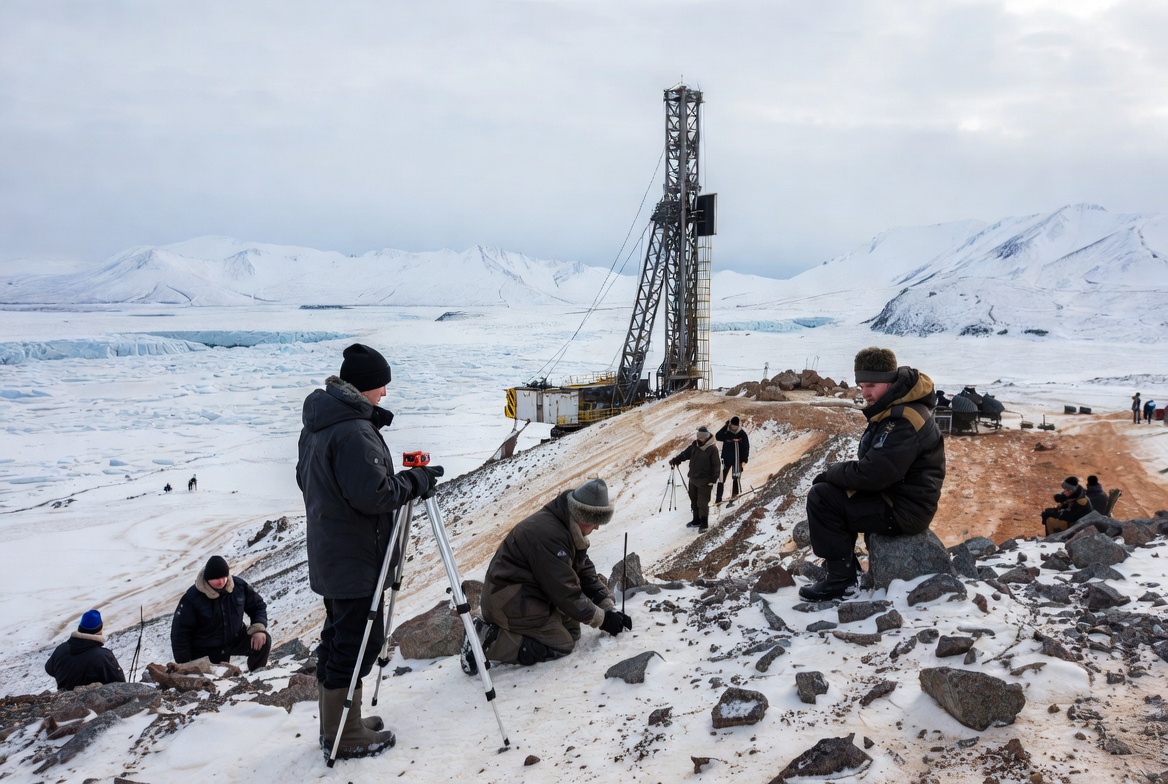
Year-End Results: Reserve Growth Dynamics
As noted by Russian Minister of Natural Resources and Environment Aleksandr Kozlov, the positive dynamics of reserve growth in 2025 continued for most types of raw materials. Total growth amounted to:
- gold — 614 tonnes;
- copper — 3 million tonnes;
- coal — 938.1 million tonnes;
- iron ores — 984.2 million tonnes;
- titanium — 17.3 million tonnes;
- tungsten — 5.5 thousand tonnes;
- nepheline ores — 1.5 million tonnes;
- synnyrite ores — 163.9 million tonnes.
According to updated data, oil and condensate reserves increased by 640 million tonnes across all categories, while gas reserves rose by 670 billion m³.
Prospects for 2026
Geological exploration will continue under the federal project \"Geology: The Revival of a Legend\", which includes the search for mineral resources across 70 promising areas. At the same time, subsoil users are conducting active exploration on licensed plots, creating conditions for maintaining positive reserve growth dynamics in the new year.
Read More Articles:
- An-124-100 \"Ruslan\" delivered an oversized hydro turbine wheel to the Bratsk Hydroelectric Power Plant
- Uraldronzavod began serial deliveries of Upyr-18 attack drones to the Russian army
- Il-114-300 made a historic flight to India. The aircraft will debut outside Russia at Wings India 2026
Never miss our newsAdd this site to your preferred sources to see us more oftenAdd on Google

















