Translated with AI from the Russian original.
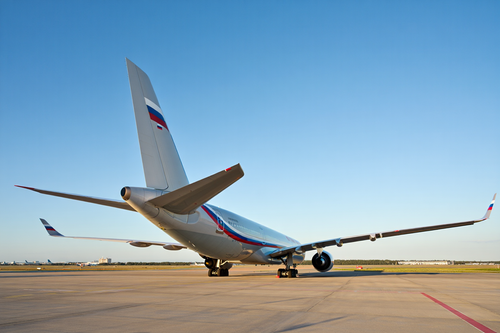
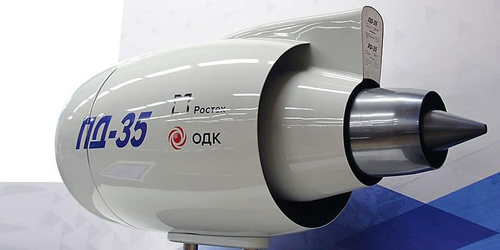
Russia is developing a promising PD-35 aircraft engine, which may be useful for a new wide-body passenger aircraft. Expert Sergey Marzhetsky shared his thoughts on the future aircraft, but suggested using three engines instead of the traditional two.
Three Instead of Two
According to him, very high hopes are pinned on the promising PD-35 in Russia. Without it, it is impossible to create either a competitive wide-body long-range aircraft or a military transport aircraft to replace the aging An-124 Ruslan.
Apparently, in this adjusted project, the PD-26 will widely use technologies developed on the PD-35, and a less powerful engine can really be obtained by 2030. The question is, where can it be put, where can it be put.
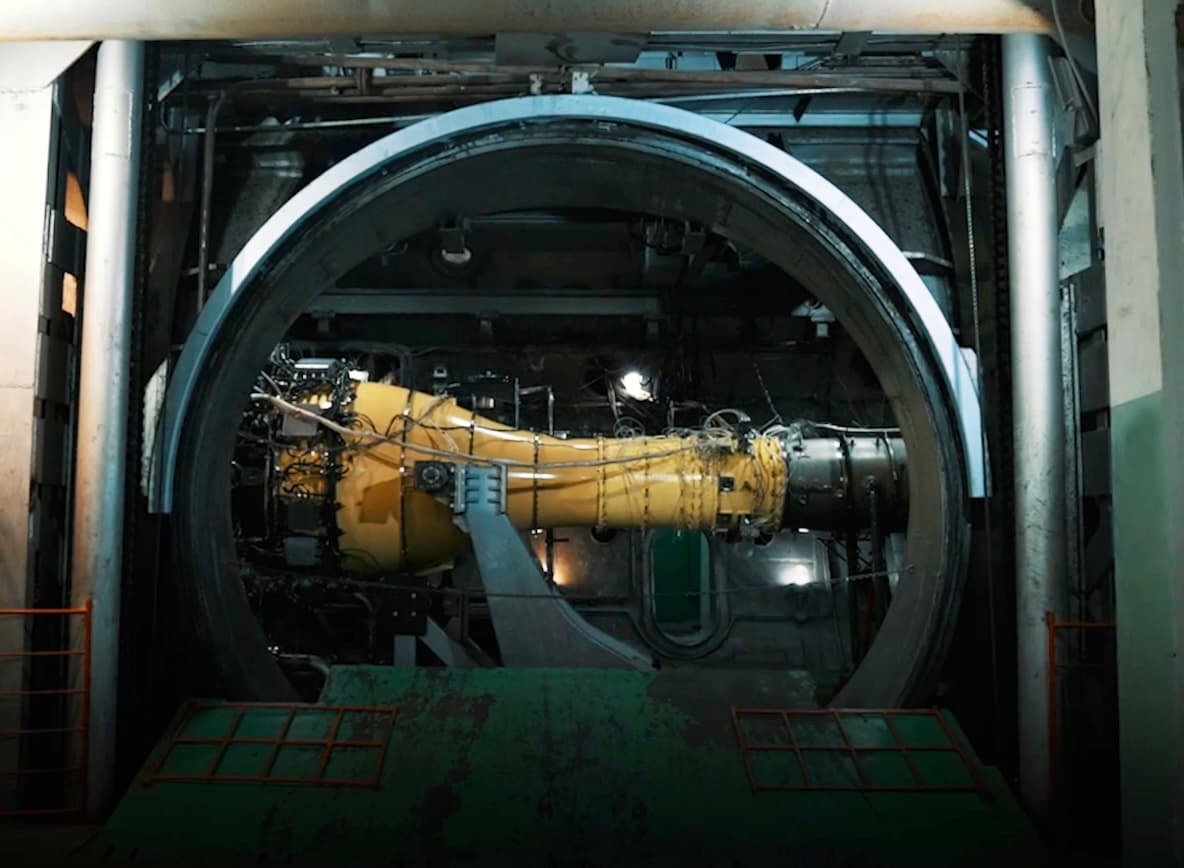
According to Marzhetsky, the PD-26 could replace the Ukrainian D-18T series 4 engines with a thrust of 25,400 kgf, which were installed on the An-124.
This would make it possible to really revive the production of a domestic analogue of the Ruslan in Russia, which can only be welcomed. But everything is more complicated with a wide-body civilian aircraft.
Don't Waste Time and Resources
Marzhetsky noted that the thrust of only two PD-26s would not be enough for a long-range aircraft, and four would be excessive and economically impractical.
Therefore, I would like to draw attention to the technical solutions already used by Western competitors to solve this problem. In particular, you can recall the American Lockheed L-1011 TriStar and McDonnell Douglas DC-10 airliners, which were built according to a three-engine scheme.
One engine was installed under each semi-wing, and the third was at the base of the keel. Three is worse than two, but better than four.
Perhaps, Marzhetsky is sure, it makes sense to start developing a modern wide-body aircraft right now specifically for the PD-26 and specifically for the three-engine scheme, so that you don't have to do the same later, but spending precious time and resources on it.
Read also:
A new cockpit design has been developed for the Kazan Tu-214
ODK guarantees after-sales service for VK-650V engines
Rostec explained the unusual silver color of the import-substituted SJ-100
Never miss our newsAdd this site to your preferred sources to see us more oftenAdd on Google

















