Translated with AI from the Russian original.
On June 17, 1955, the world witnessed a revolutionary event in the history of aviation - the first flight of the Soviet Tu-104 jet passenger liner. The aircraft ushered in a new era in civil aviation, proving the possibility of comfortable jet flights, according to the United Aircraft Corporation (UAC).
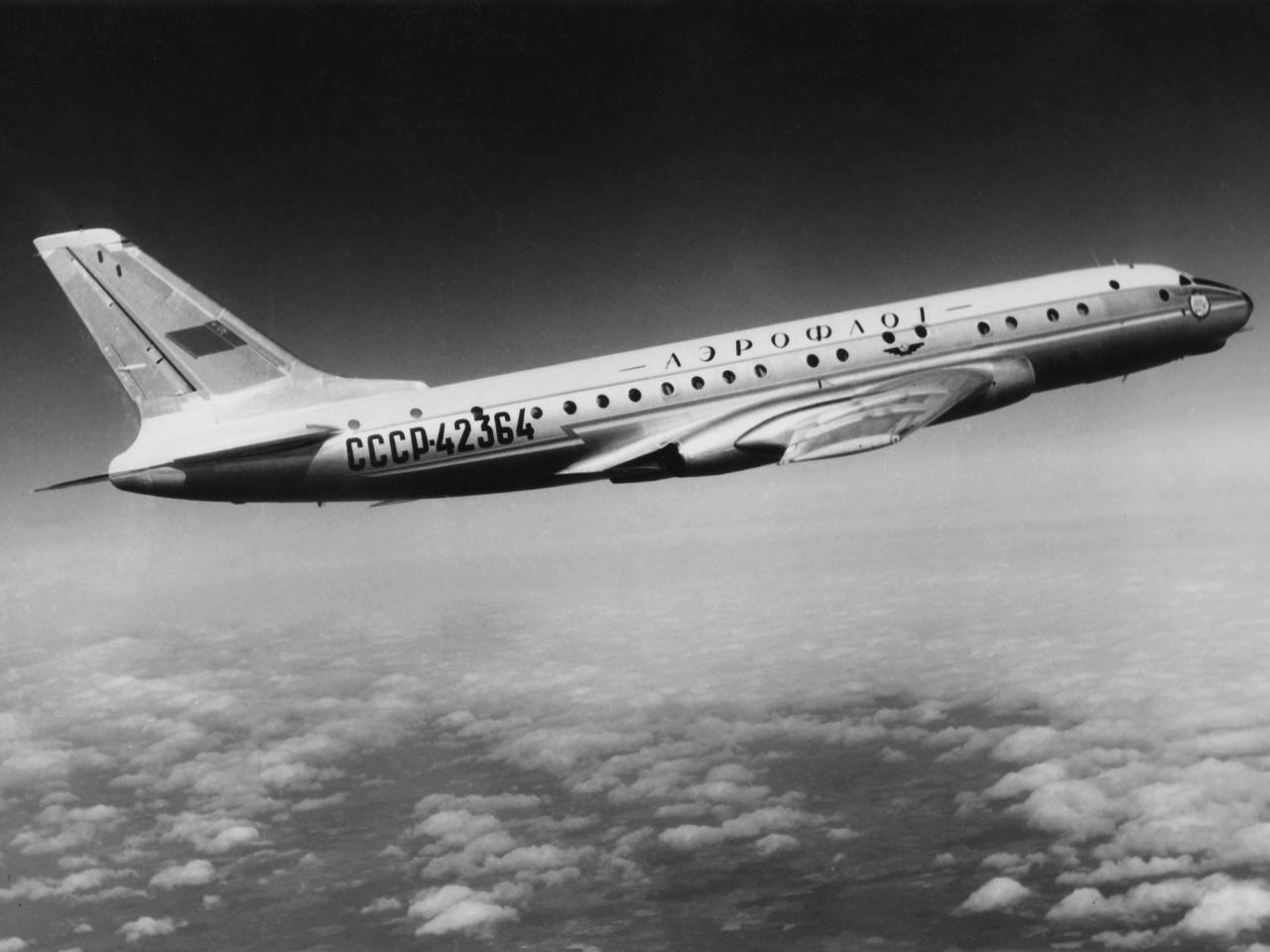
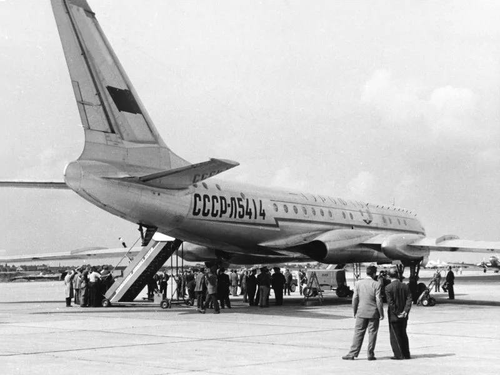
In March 1956, the Tu-104 delivered a Soviet delegation to London, causing amazement in the West. The British newspaper Daily Mail stated: "The civilian and military experts who gathered to look at the Tu-104 were silent for a long time, stunned."
In 1957, test pilots Yuri Alasheev and Valentin Kovalev set a series of world records on the Tu-104. Kovalev's record of 970.821 km/h over a distance of 1000 km was particularly significant. This achievement remained unsurpassed for passenger aircraft for many years.
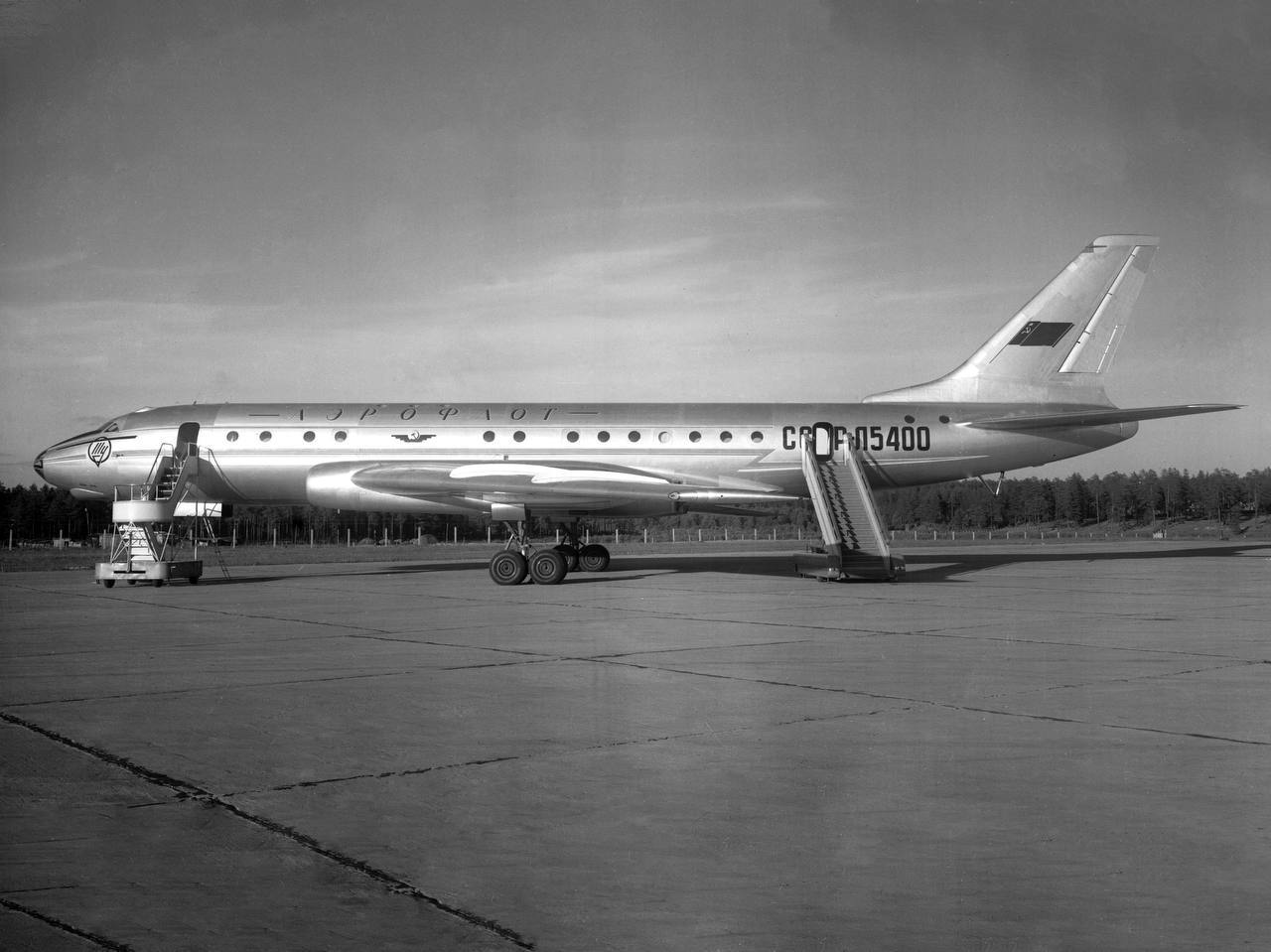
The Tu-104 connected key air hubs of the USSR (Vnukovo, Sheremetyevo - Irkutsk, Tashkent, Khabarovsk) and made a transatlantic flight from Moscow to New York in 1957.
In just five years of mass production, about 200 aircraft were built. Over 23 years of operation, the airliner carried approximately 100 million passengers.
The last flight of the Tu-104 took place on November 11, 1986. 70 years after its first flight, the Tu-104 remains not just a monument to engineering thought, but also a symbol of a breakthrough that proved that jet passenger aviation is a reality created by Soviet aircraft designers.
Earlier,www1.ru reported that400 million rubles were allocated for the modernization of the Tu-214.
Read also:
Funds for the modernization of the Tu-214 will be allocated from the Russian-Chinese aircraft project
Almost touching the roofs of houses: Tu-160 missile carrier spotted in the sky over Kazan
Import-substituted parts for the SJ-100 will become cheaper: they used to cost twice as much as for Airbus
Never miss our newsAdd this site to your preferred sources to see us more oftenAdd on Google

















