Designers from St. Petersburg State University of Aerospace Instrumentation (GUAP) have proposed a new radar station scheme that allows simultaneously increasing the accuracy of determining both speed and distance to an object. The documentation was published in the open patent database FIPS.
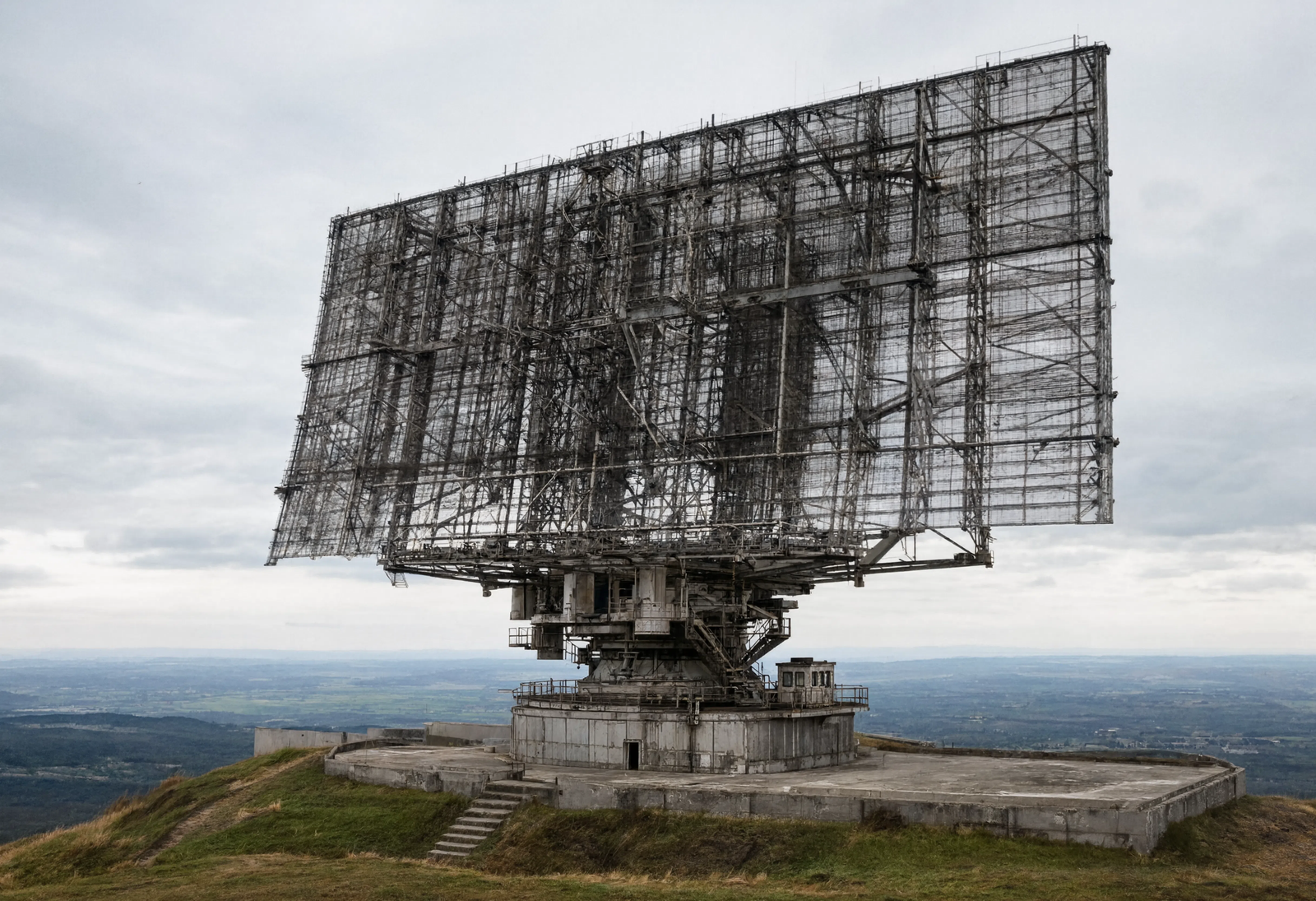
The key feature of the development is the simultaneous use of two types of microwave signals. The continuous component helps to more accurately determine the speed of a moving target using the Doppler effect, while the pulsed component calculates the distance based on the delay of the reflected signal.
The engineers clarified that a traditional continuous-wave radar accurately determines speed but cannot measure range. Pulsed stations, on the other hand, can determine distance but are inferior in terms of speed measurement accuracy and resolution for this parameter.
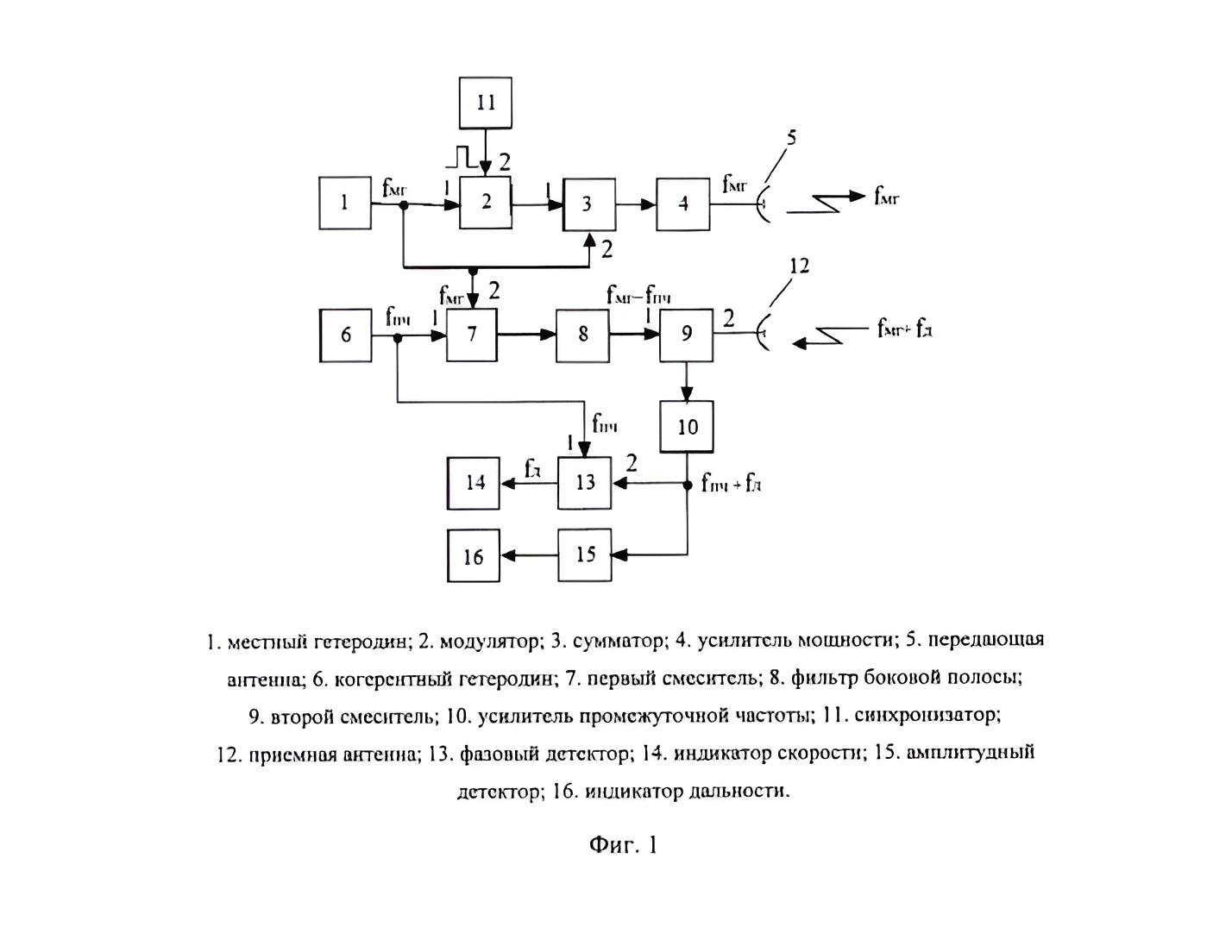
In the new scheme, the signal is formed as a sum of continuous and pulsed microwave oscillations. For this purpose, a modulator, a summer, and a synchronizer were added to the system. After reflection, the signal undergoes processing, allowing separate data on the target's speed and range to be obtained.
The patent specifies a working frequency of 5 GHz as an example. For the pulsed part, a mode with a pulse duration of 1 µs and a repetition period of 1 ms is given.
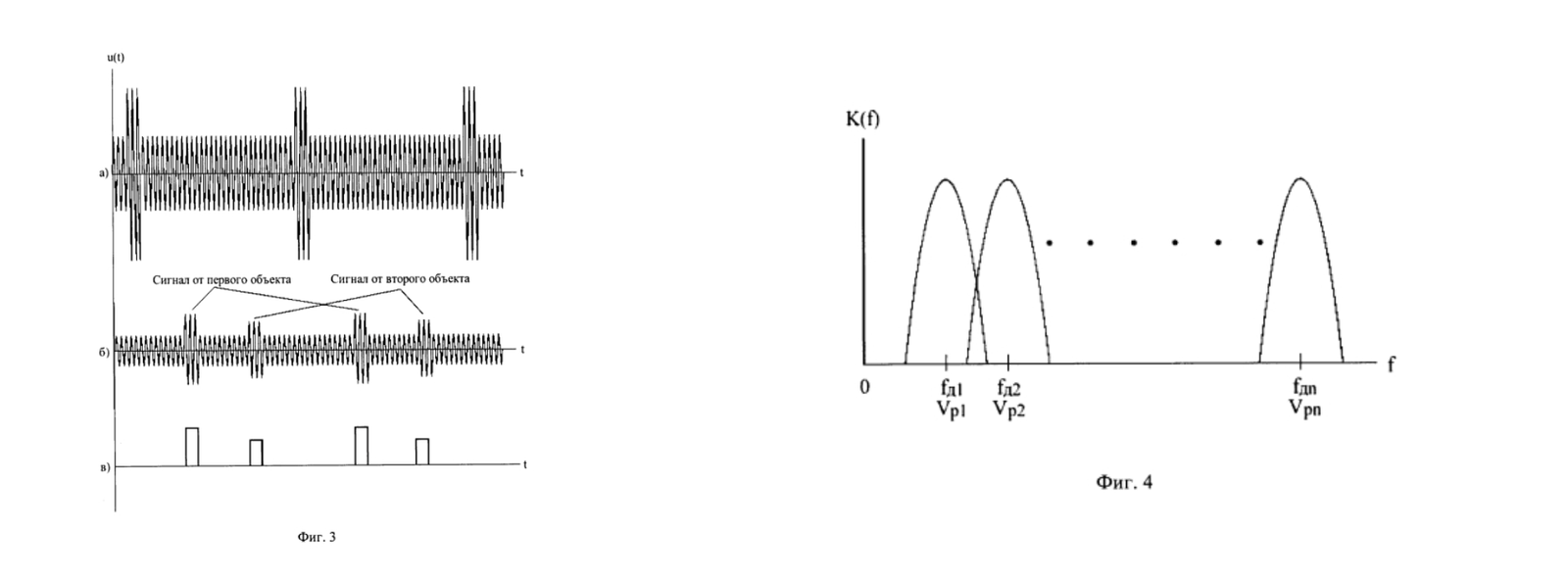
According to the authors, this combination allows simultaneously increasing the measurement accuracy and the resolution of the radar in two coordinates – range and speed.
Recall that radar is necessary for target designation to air defense systems. This refers specifically to ground-based systems, as fighters have their own onboard radar.
Earlier today, Rostec announced the transfer of new Pantsir-S and Pantsir-SMD anti-aircraft missile systems to the troops.
Read more on the topic:
Never miss our newsAdd this site to your preferred sources to see us more oftenAdd on Google