Russian chemists have "hacked" a technology that has remained untouched since the 1930s. As TASS was informed by the press service of the Institute of Catalysis SB RAS, scientists, together with the company "Energosila", have found a way to radically improve the Claus process – the world's main method for producing sulfur from hydrogen sulfide.
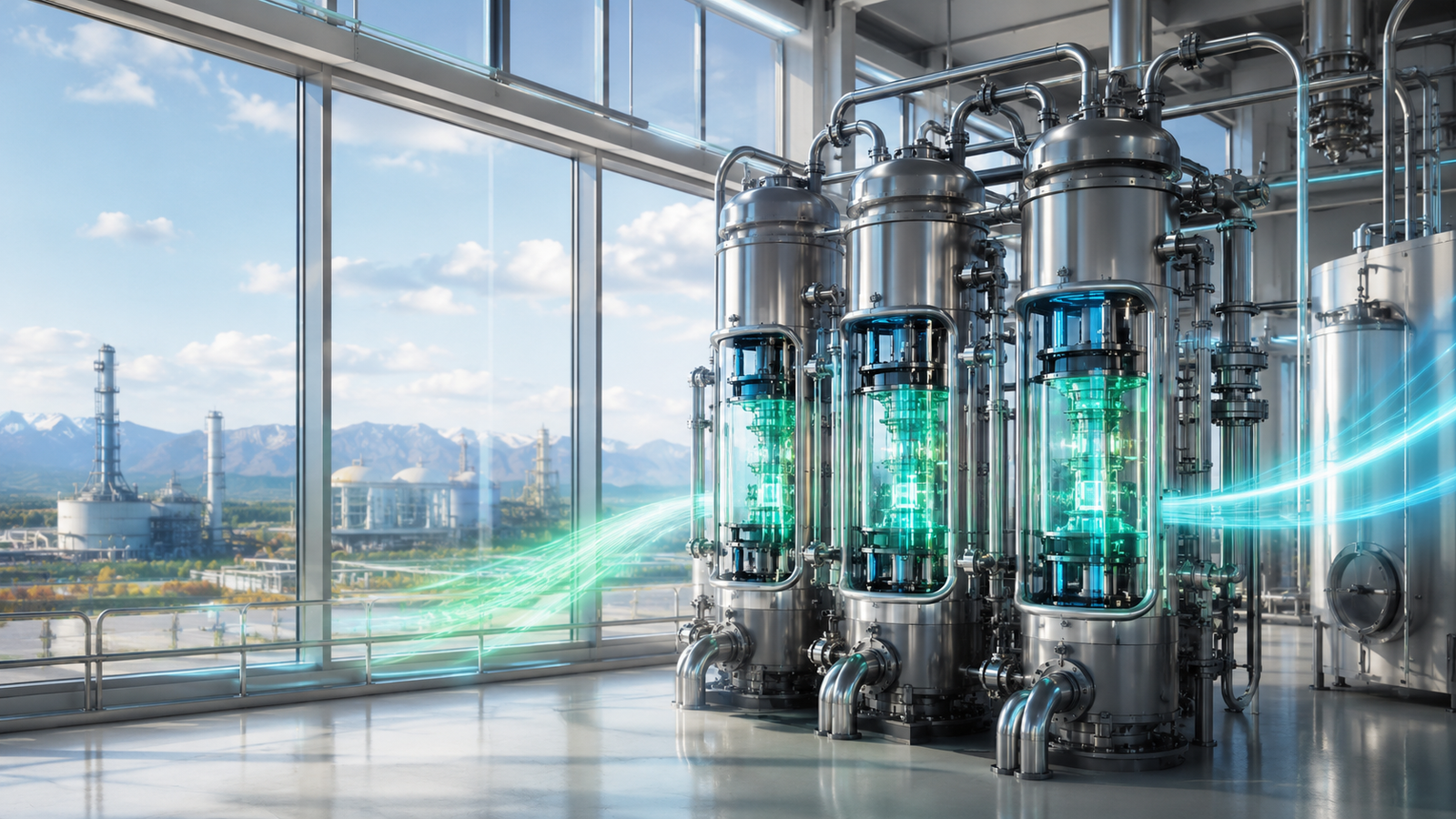
The essence of the innovation is the abandonment of intermediate gas preheating. Three reactors of the new unit periodically change the direction of the flow, and small portions of air are dosed between the layers of the selective oxidation catalyst. This allows the system to automatically adapt to fluctuations in raw material composition and bring sulfur extraction up to 99.5%, whereas the traditional method yields only 96%. Sulfur dioxide emissions into the atmosphere are reduced eightfold.
The economics are also changing: expensive heat exchangers are excluded from the scheme, and the process becomes 20–30% cheaper compared to common world analogues. The technology uses domestically produced catalysts already available on the market. For Russia, which produces about 5 million tons of sulfur per year, this means not just an environmental breakthrough, but a reduction in production costs with complete technological independence.
Read more on the topic:
Never miss our newsAdd this site to your preferred sources to see us more oftenAdd on Google

















