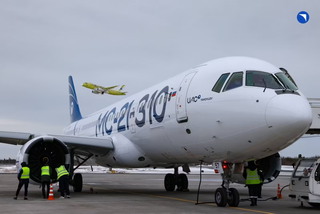
Not all Superjet 100 aircraft will be modernized after the installation of Russian PD-8 engines. Some liners may be sent for dismantling to use components in other aircraft, as their service life is limited not only by the condition of the power plants but also by the overall structural wear.
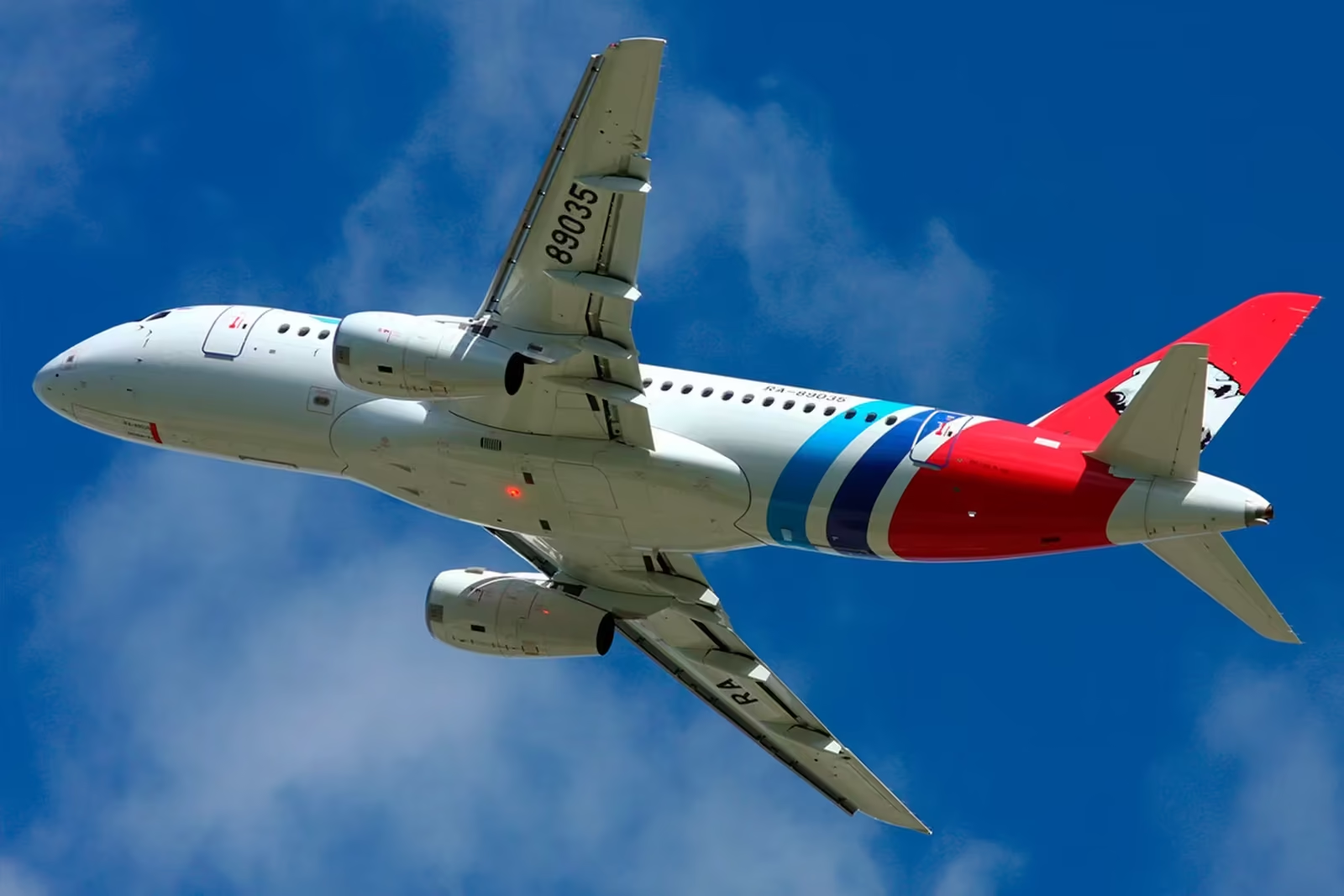
This opinion was expressed by Andrey Patrakov, an expert in flight safety and head of the RUN.AVIA project. According to his assessment, modernization may affect only a limited number of aircraft, while part of the current fleet no longer has sufficient safety margin for further operation.
I think that at best no more than 50 Superjets will be re-engined; the rest will undergo aviation cannibalism because they have exhausted their service life for reasons unrelated to the engine.
The expert noted that installing a new engine does not solve all technical issues by itself. The updated Superjet will require the involvement of aircraft designers and additional changes to the aircraft's design. In particular, a patent already exists for a new landing gear arrangement scheme, which should eliminate potential problems with the current layout.
According to Patrakov, the modern version of the aircraft requires more serious refinement than a simple power plant replacement. The project must include costs for design work, testing, and certification.
The expert believes that funding remains the main limitation of the program. Without sufficient investment, large-scale modernization of the entire Superjet 100 fleet may be impossible.
Earlier, OAK denied claims that the re-engining program for approximately 50 aircraft would cost about 115 billion rubles, which is approximately 2.3 billion rubles per aircraft.
Read more on the topic:
Never miss our newsAdd this site to your preferred sources to see us more oftenAdd on Google