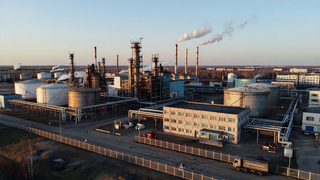
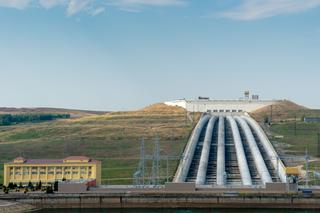
Scientists from Perm National Research Polytechnic University have for the first time used flue gas to grow microalgae, which were then used as fertilizer. Instead of releasing industrial gas emissions into the atmosphere, researchers directed them into a nutrient medium with algae. Usually, expensive purchased carbon dioxide or atmospheric air, which contains too little CO₂, is used for this purpose.
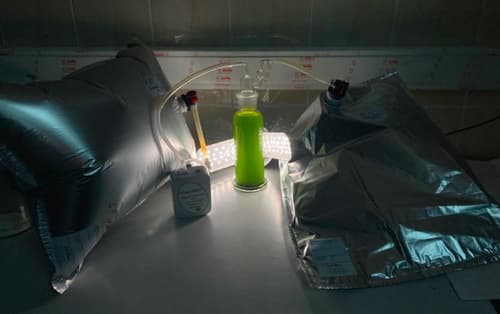
In experiments, scientists compared two cultures: a pure commercial strain and a natural community from a freshwater reservoir. Both were grown on flue gas, after which the resulting biomass was applied to soil with rapeseed seeds. The pure culture showed the best result — the length and mass of seedlings increased by 13%, germination reached 97%, and the germination rate increased by 6%.
As explained by the university, microalgae contain all the main macronutrients — nitrogen, phosphorus, potassium — as well as micronutrients, amino acids, and phytohormones. After growing on flue gas, the concentration of magnesium and phosphorus in the biomass increases 2–3 times. At the same time, the fertilizer does not contain pathogens, antibiotics, or toxins, does not acidify the soil, and decomposes quickly. The technology allows reducing production costs and enables factories to turn waste into a useful product, which is especially relevant in the context of tightening environmental legislation.
Read more on the topic:
Never miss our newsAdd this site to your preferred sources to see us more oftenAdd on Google