Translated with AI from the Russian original.
Russia ranks first in lagging behind its own robotization plans, stated Eldar Shavaliev, Deputy General Director for Development at KAMAZ, at a meeting of the interdepartmental working group.
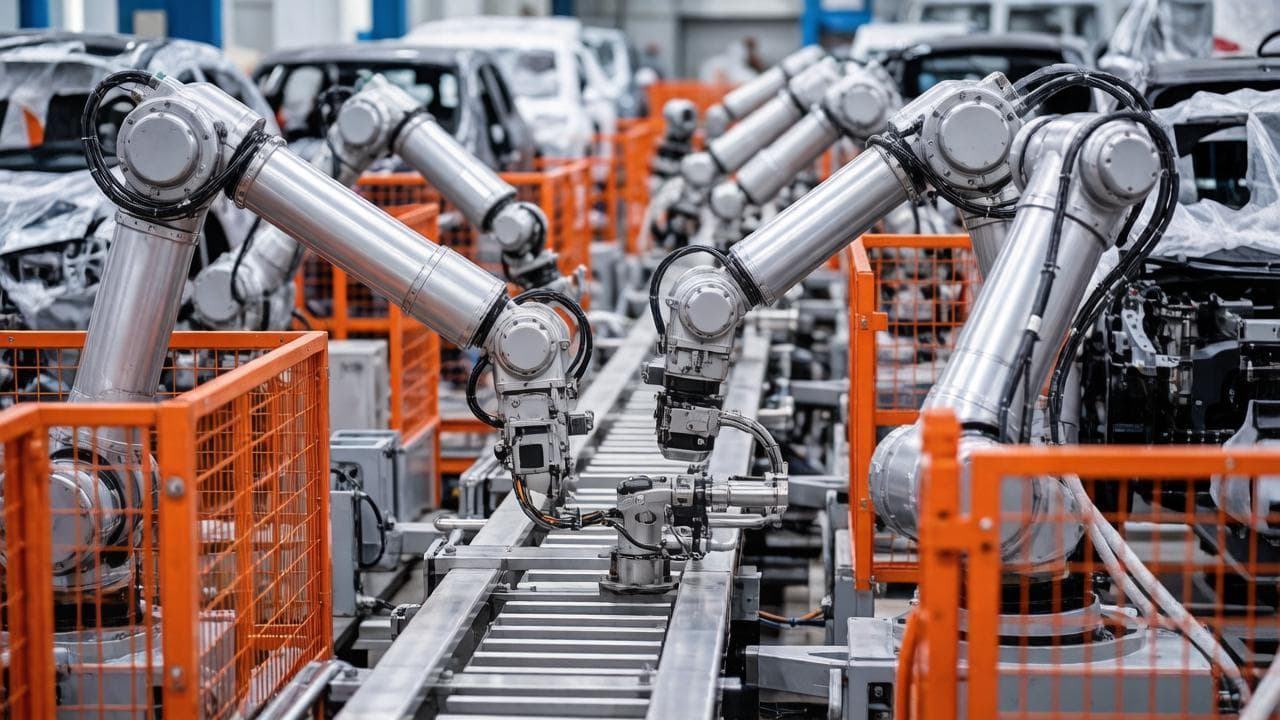
According to Shavaliev, the problem is systemic. Robotization is a consequence of the emergence of new production capacities, not an independent process. Regions that are leaders in robotization primarily host automotive plants. However, the main problem is not the lack of robots, but their idleness. Most robotic complexes in the country are utilized at less than 20%. When a robot is assigned an operation that a human can perform themselves, the system degrades: the robot requires precision of parts and process stability, which are not present in such areas.
Shavaliev proposed introducing control over the actual utilization of robotic complexes and moving from "piecemeal" implementation to comprehensive production modernization. In his opinion, it is important not just to count the number of robots, but to implement full-fledged projects for updating production lines.
Tatarstan is among the top 5 regions in terms of robotization with 1.4 thousand installed robots. In terms of density – 50 robots per 10 thousand workers – the republic ranks sixth, significantly trailing the leader, Kaliningrad, with 204 units. By 2030, Tatarstan plans to reach an indicator of 145 robots per 10 thousand people.
Read more on the topic:
Never miss our newsAdd this site to your preferred sources to see us more oftenAdd on Google

















