Translated with AI from the Russian original.
Russian scientists have for the first time described the properties of the rare mineral cubanite, which could find application in electronics. The research was supported by the Russian Science Foundation, and the results have been published. Cubanite – a triple sulfide of copper and iron – was previously known as a minor ore for copper extraction. However, its unique properties open up prospects for creating energy-efficient sensors, memory elements, and optical components.
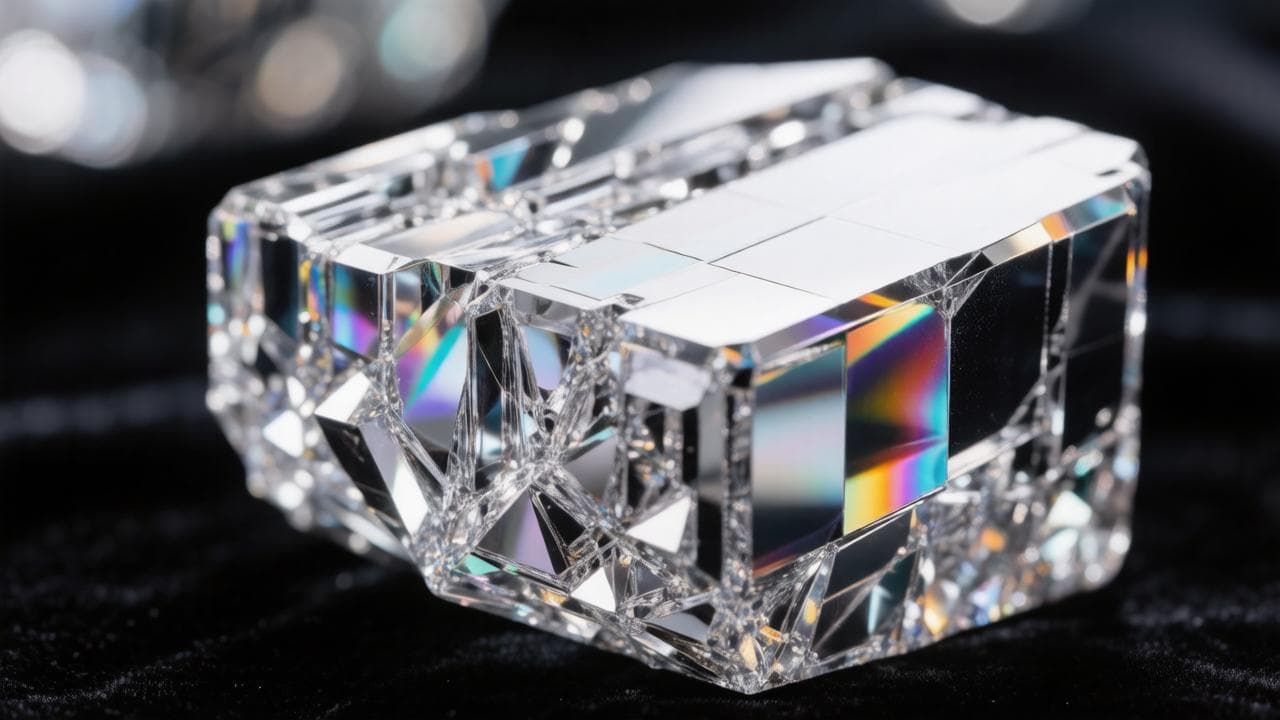
Modern electronic devices dissipate some energy as heat, which reduces their efficiency. Cubanite, as scientists have discovered, has low thermal conductivity and a controllable magnetic structure simultaneously. At the same time, the spread of heat through the crystal from one face to another varies, which potentially allows for regulating heat distribution in the device. In addition, magnon excitations have been detected in the mineral – through them, magnetic waves propagate efficiently through the crystal, which is important for spintronic devices.
Project leader Elizaveta Pankrushina noted that even if cubanite does not become an industrial material, it already represents value as a natural model for finding new compounds with desired characteristics.
The research was conducted by scientists from the Institute of Geology and Geochemistry of the Ural Branch of the Russian Academy of Sciences and the Ioffe Physical-Technical Institute with the participation of colleagues from the Kirensky Institute of Physics, the Institute of Experimental Mineralogy, and the Kola Science Centre.
Read more on the topic:
Never miss our newsAdd this site to your preferred sources to see us more oftenAdd on Google

















