Translated with AI from the Russian original.
Scientists and students of Don State Technical University have developed a new type of autonomous surface drone designed for environmental monitoring and operations in hard-to-reach coastal waters. The platform's distinctive feature is a rigid sail, which acts as the primary propulsion system and significantly reduces energy consumption.
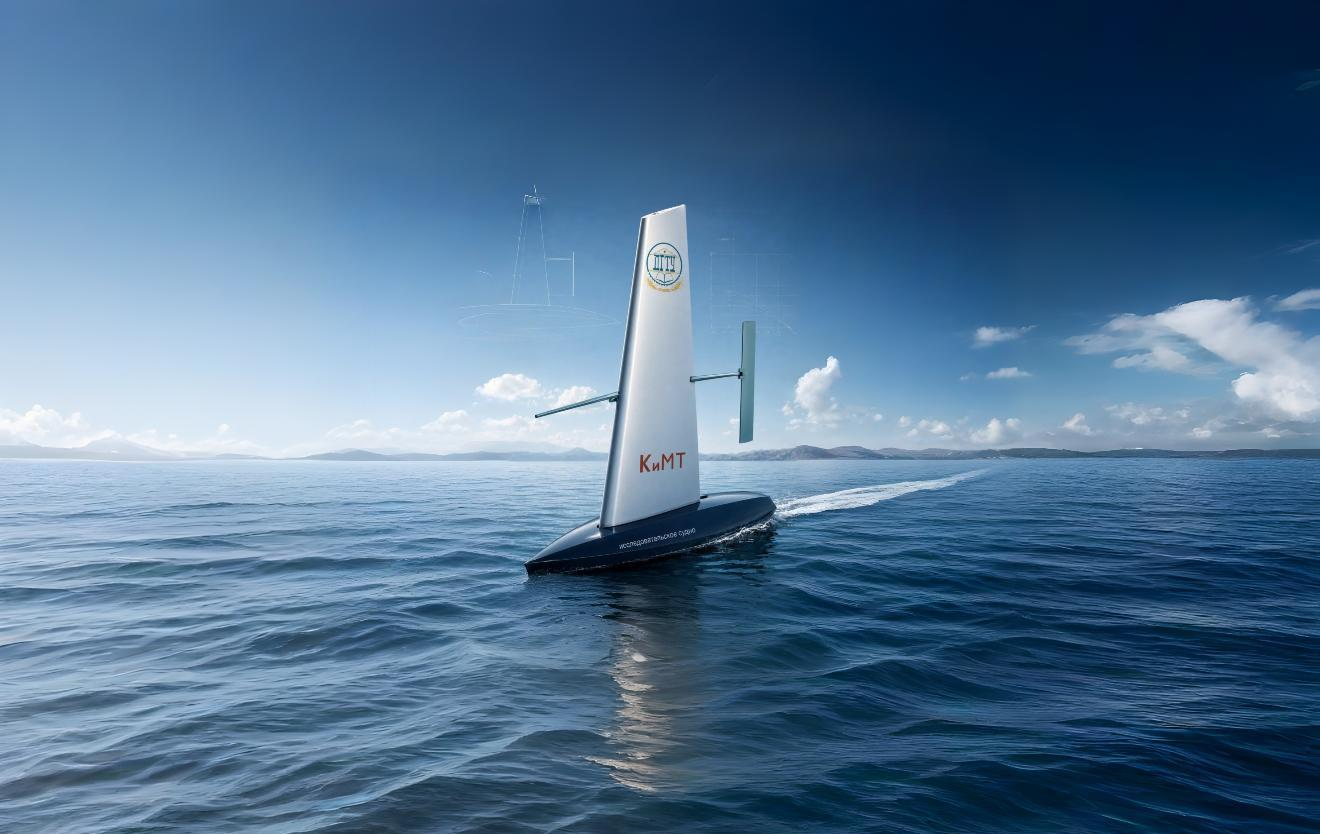
The device features a sealed hull, navigation equipment, power sources, and a wing position control system that maximizes wind energy utilization. This solution makes the drone particularly valuable in shallow waters, where the use of traditional vessels and other autonomous platforms is often too costly or difficult.
The university explained that the project is conceived as a versatile, long-duration autonomous platform. The combination of sail propulsion and high autonomy is expected to ensure regular operation in challenging coastal conditions with lower operating costs.
The developers also highlight the environmental benefits of the technology. The use of a rigid sail helps reduce fuel consumption and carbon dioxide emissions.
To date, specialists have already manufactured experimental models of the hull and sail system. The next stage will involve joint tests with the Institute for Research and Engineering of the Azov Sea Region. The Rostov Port is also planned to be involved in the project.
In the future, such unmanned platforms could become part of the infrastructure of specialized test sites for unmanned boats in the Azov Sea. If the technology confirms its stated characteristics, it could expand the capabilities of environmental monitoring and observation in coastal areas.
Read more on the topic:
Never miss our newsAdd this site to your preferred sources to see us more oftenAdd on Google

















