Translated with AI from the Russian original.
A number of Russian refineries have once again been granted the right to supply gasoline and diesel fuel of Euro-5 class to the domestic market, but with environmental characteristics effectively corresponding to Euro-3 level. Previously, such a scheme was temporarily introduced in the autumn of 2025.
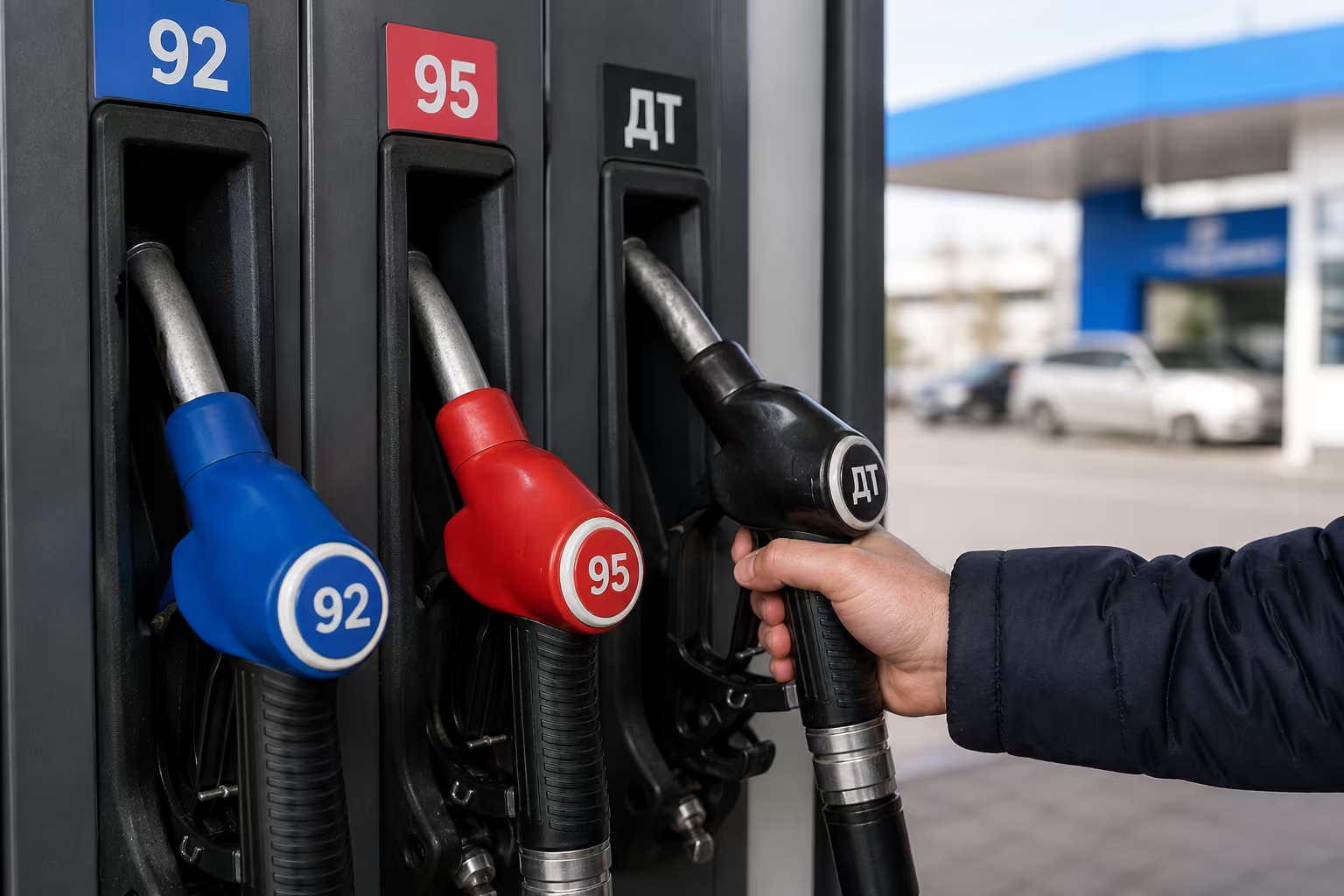
The essence of the relaxation lies in softening the requirements for sulfur content and a number of chemical parameters of the fuel. For gasoline, a sulfur level of up to 150 mg per kilogram is allowed instead of the standard 10 mg, and for diesel fuel – up to 350 mg per kilogram. Increased proportions of aromatic hydrocarbons, traces of monomethylaniline up to 1%, and ethanol up to 5% are also permitted. By the totality of its characteristics, such fuel corresponds to the Euro-3 environmental class.
The decision was made to prevent destabilization of the domestic fuel market and maintain stable supplies amidst possible risks of shortages.
At the same time, industry restrictions remain: products manufactured according to softened parameters are not allowed to circulate in the countries of the Eurasian Economic Union.
It is separately noted that the use of increased sulfur content and octane-boosting additives can accelerate the wear of modern engines, primarily catalytic converters, and also increase the environmental burden.
Read more on the topic:
Never miss our newsAdd this site to your preferred sources to see us more oftenAdd on Google

















