AI models are increasingly used in cybersecurity: they help analyze code faster, test hypotheses, understand application logic, and find vulnerabilities. But experts warn: loud statements that a neural network "hacked the system" should not be taken literally.
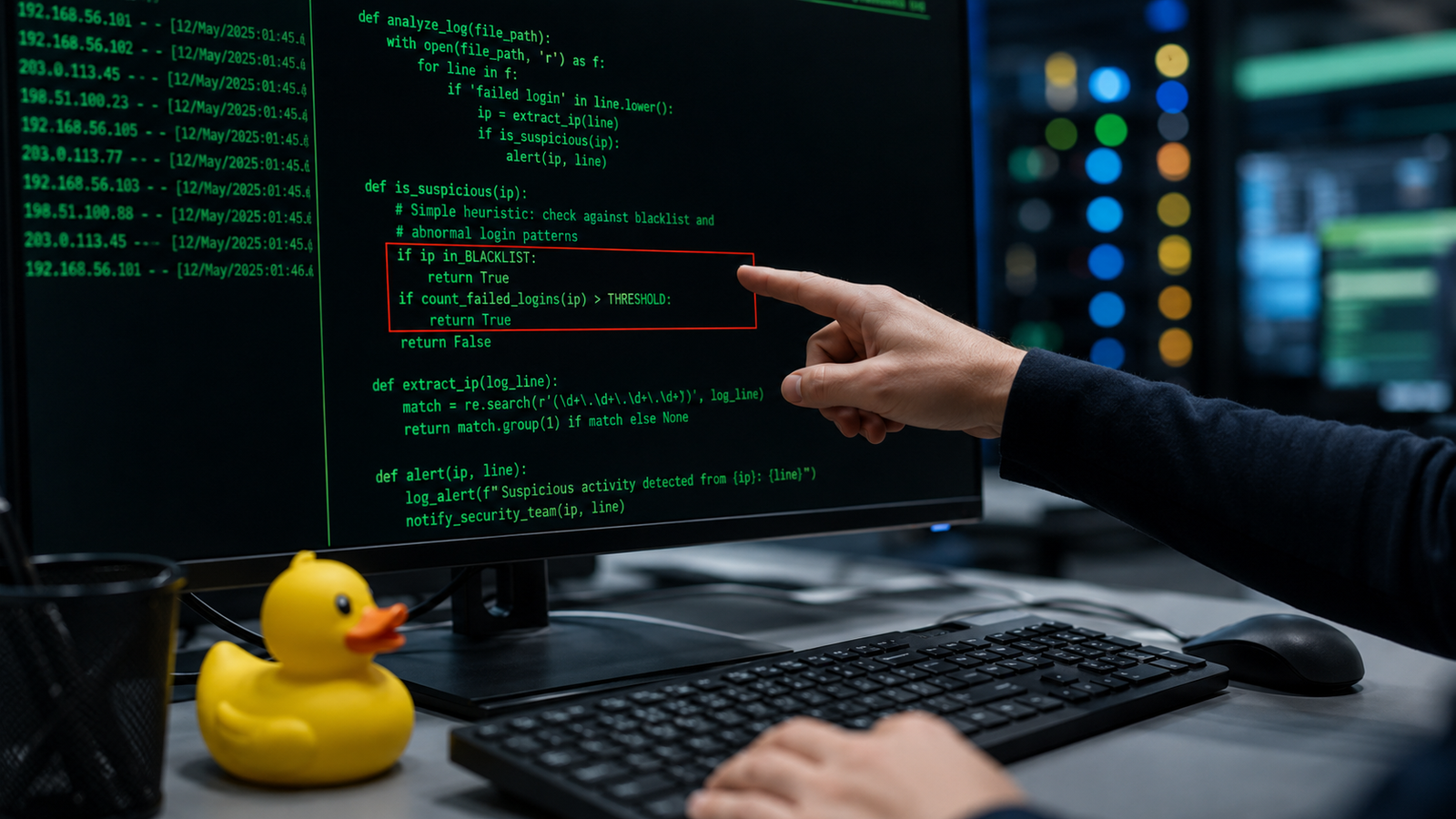
In practice, it's more often about accelerating individual stages of cybersecurity specialists' work rather than fully autonomous hacking. A model can study source code, disassemble binaries, find suspicious areas, suggest exploit options, or test a hypothesis in an isolated environment.
Alexander Gostev, Chief Technology Expert at Kaspersky Lab, notes that such systems automate vulnerability discovery rather than replace humans. Roman Safiullin, Head of Information Security at InfoWatch ARMA, also emphasizes: in the case of Mythos and macOS, the model did not invent a new attack technique, but helped to quickly bring an already known approach to a working exploit.
The model was able to reproduce and bring an already conceived technique to a full-fledged exploit, but did not develop it itself.
The main effect of AI agents is speed. They can find weaknesses faster than development teams can release patches. However, such tools are used not only by defenders but also by attackers. The rapid exploitation of already known vulnerabilities, accessible even to less experienced attackers, becomes particularly dangerous.
Experts believe that the cybersecurity industry will have to integrate AI into daily processes: code analysis, infrastructure verification, incident investigation, and risk prioritization. Otherwise, attackers may temporarily gain an advantage – they only need to find one loophole first, while defenders need to constantly check the entire system.
Read more on the topic:
Never miss our newsAdd this site to your preferred sources to see us more oftenAdd on Google