Translated with AI from the Russian original.
Scientists at Saratov State Technical University (SSTU) have developed an eco-friendly method for producing MXene nanomaterial, used in supercapacitor and battery electrodes. The scalable molten salt etching technology for MAX phases avoids large volumes of harmful reagents and radically simplifies production.
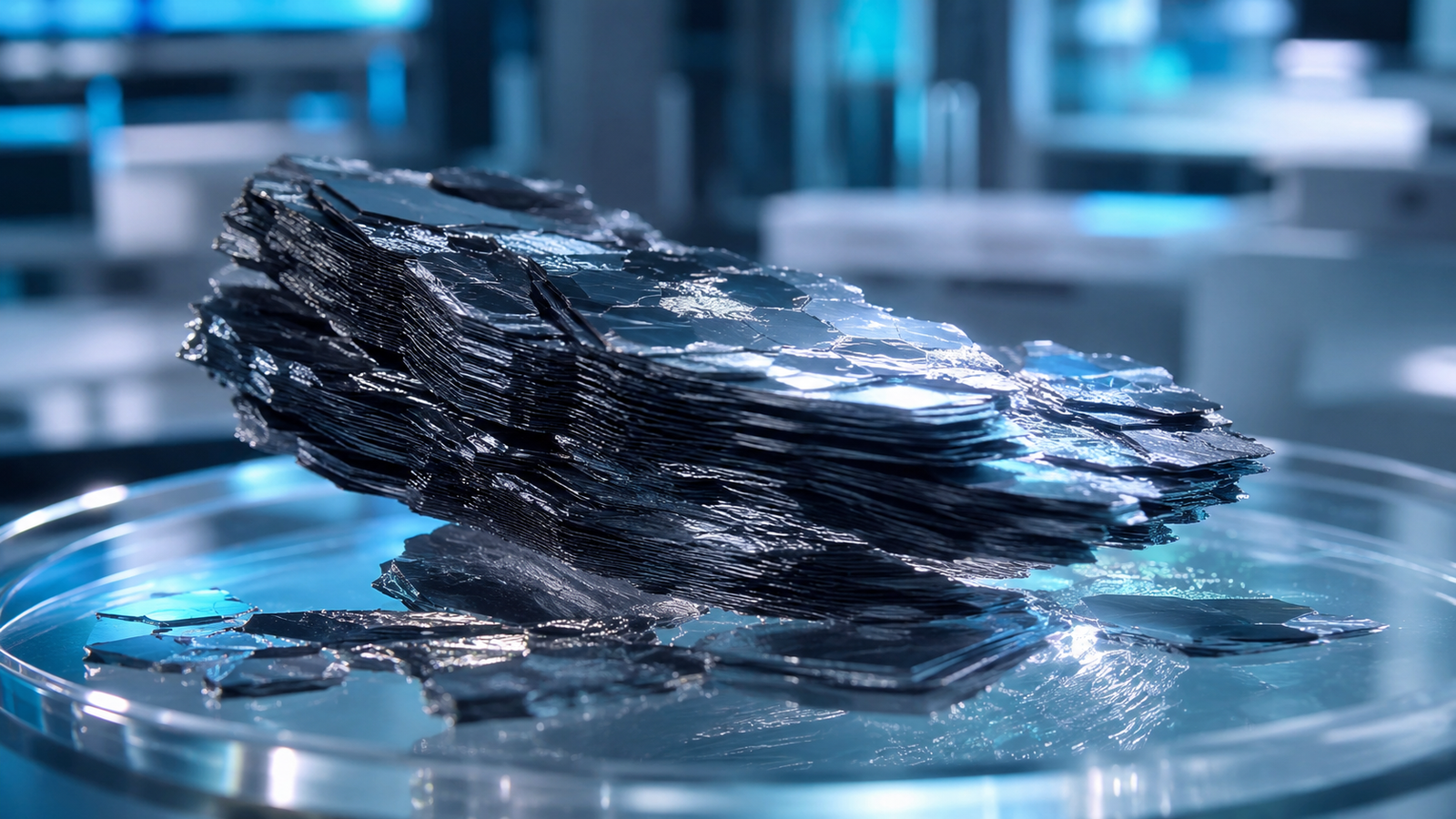
The key technological advantage is the reduction of the process temperature from 126 to 110 degrees Celsius. This allowed for a departure from an overly intensive reaction while maintaining a high material processing speed. Such a step is critically important for the real-world implementation of the synthesis protocol in micro-tonnage chemistry.
The prototype asymmetric supercapacitor, created based on the new material, demonstrated high specific power and stability of properties even after ten thousand charge-discharge cycles.
Reducing the synthesis temperature cuts energy consumption, and eliminating aggressive reagents lowers the cost of the final product. For the high-power storage industry, serving electric vehicles and portable electronics, this opens the way to cheaper, faster-charging, and more durable power elements.
In fact, Saratov scientists have removed the main barrier to the mass adoption of MXene, which until now was hindered by its high cost and dirty production.
Read more on the topic:
Never miss our newsAdd this site to your preferred sources to see us more oftenAdd on Google

















