Translated with AI from the Russian original.
The Indian Air Force continues to improve the tactics of using Russian S-400 "Triumf" anti-aircraft missile systems. The military adapted the Russian SAM systems to the "shoot-on-the-move" doctrine, IDRW reports.
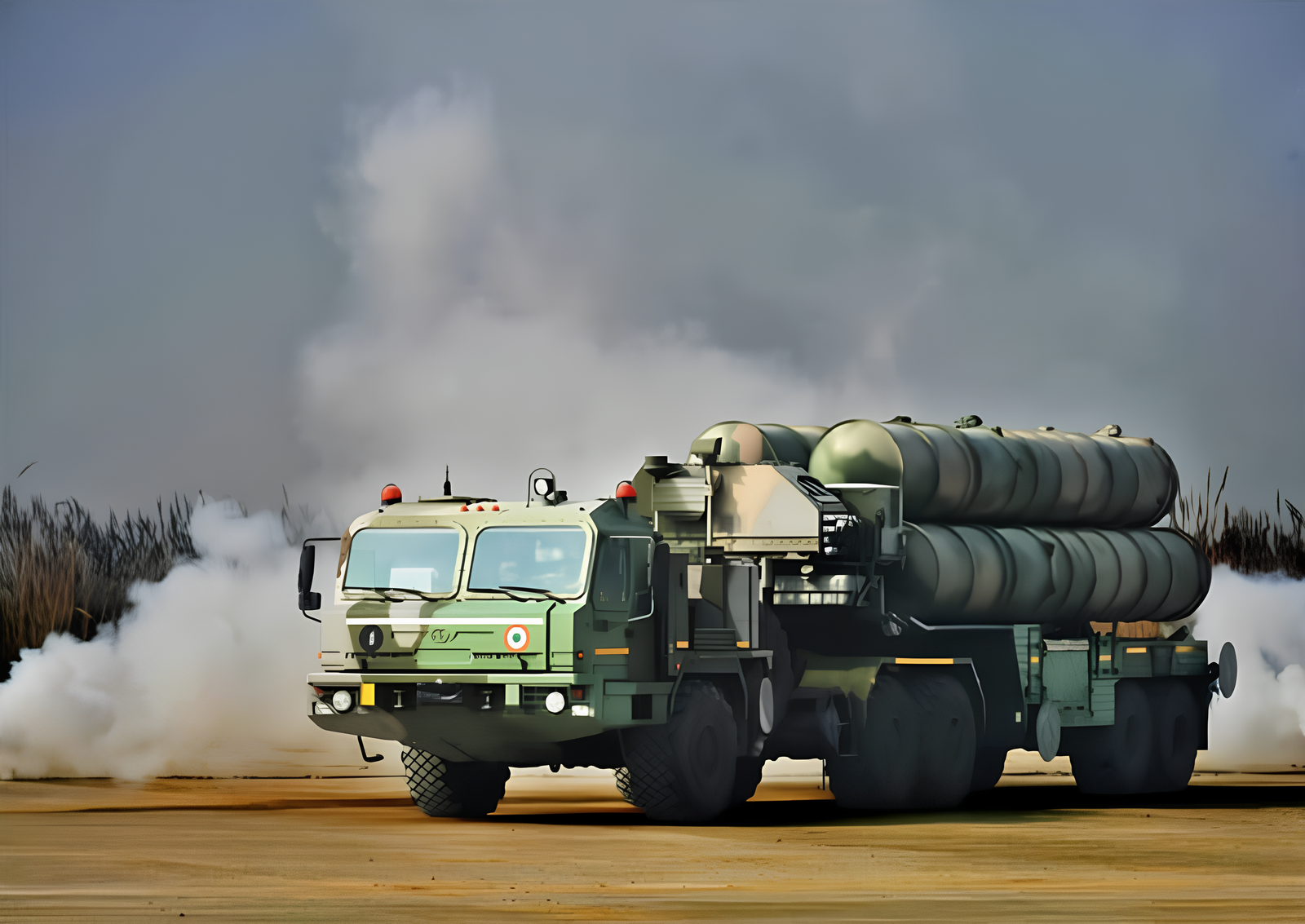
The essence of the new tactic is that the launchers not only quickly leave the position after a salvo, but also minimize the stopping time. According to the plan, crews will prepare for launch at a speed of about 5–7 kilometers per hour, launch with minimal stationary exposure, and immediately accelerate. This reduces the vulnerable window when the battery can be detected by reconnaissance aircraft, satellites, or attacked by anti-radar missiles.
According to IDRW sources, Beijing transmitted the coordinates of the Indian S-400s to the Pakistani Air Force. In response, India began tracking the orbital windows of Chinese vehicles and moving batteries at times when surveillance was temporarily impossible.
The tactic has already yielded results. According to Indian sources, S-400 crews shot down six aerial targets, and several attempts by Pakistani JF-17s to target the batteries with CM-400AKG missiles failed. In one case, the missile hit an empty field where the Pakistanis mistakenly believed the battery was located; in another, the projectile was intercepted.
Thus, the Indian military is not only mastering Russian equipment but also independently developing methods for its use in conditions of intense enemy reconnaissance and the threat of high-precision weapons. Their experience shows that even a SAM system designed to be stationary can act as a mobile ambush weapon if its mobility and camouflage capabilities are used correctly.
Read more on the topic:
Never miss our newsAdd this site to your preferred sources to see us more oftenAdd on Google

















