Translated with AI from the Russian original.
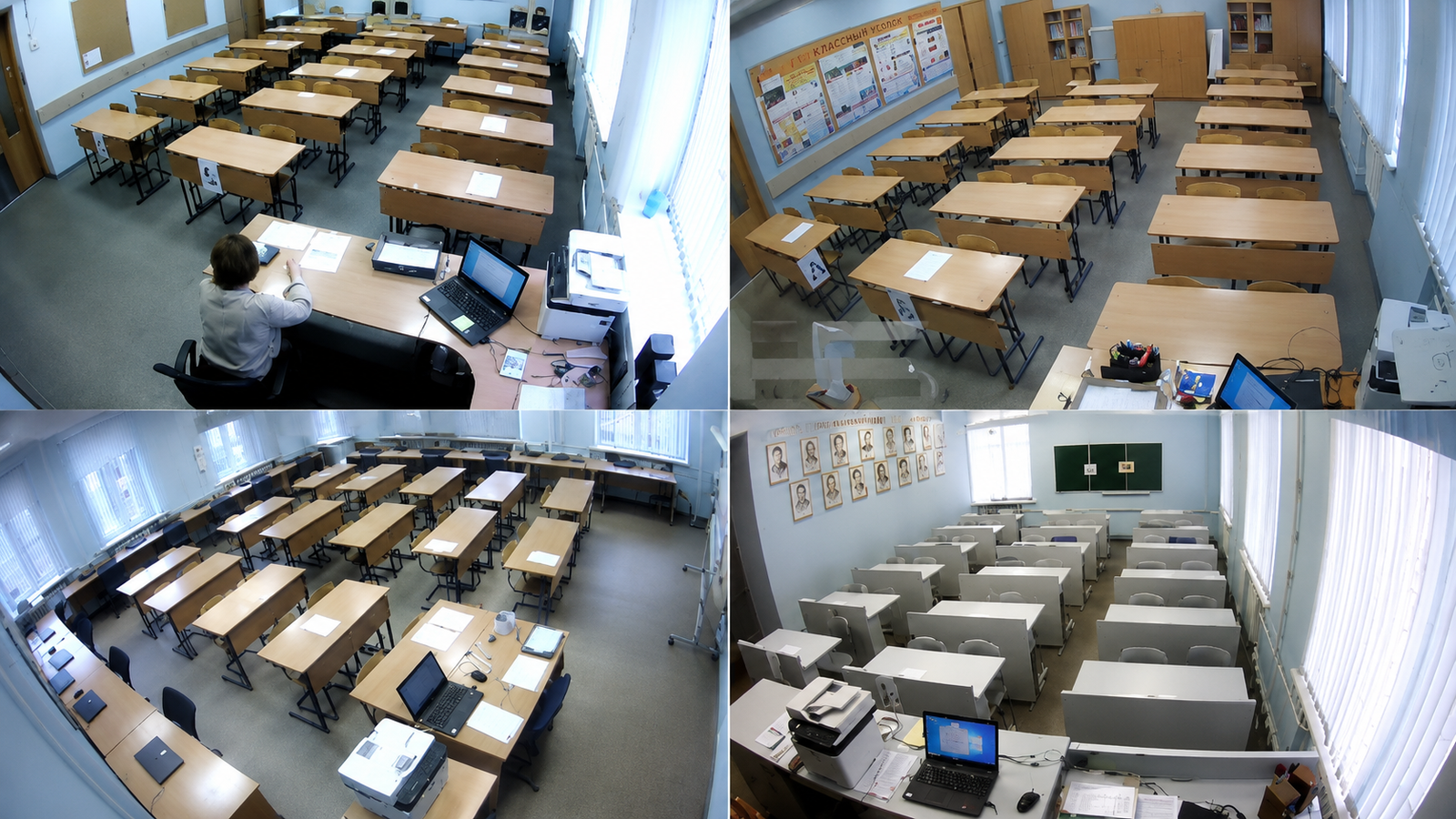
Rostelecom has prepared the video surveillance infrastructure for the main period of the USE-2026. This year, 134.4 thousand cameras installed in more than 6 thousand examination points will monitor the exams. The company states that all examination rooms are covered. The main stage will take place from June 1 to July 9 in 89 regions of Russia and 91 overseas locations in 54 countries.
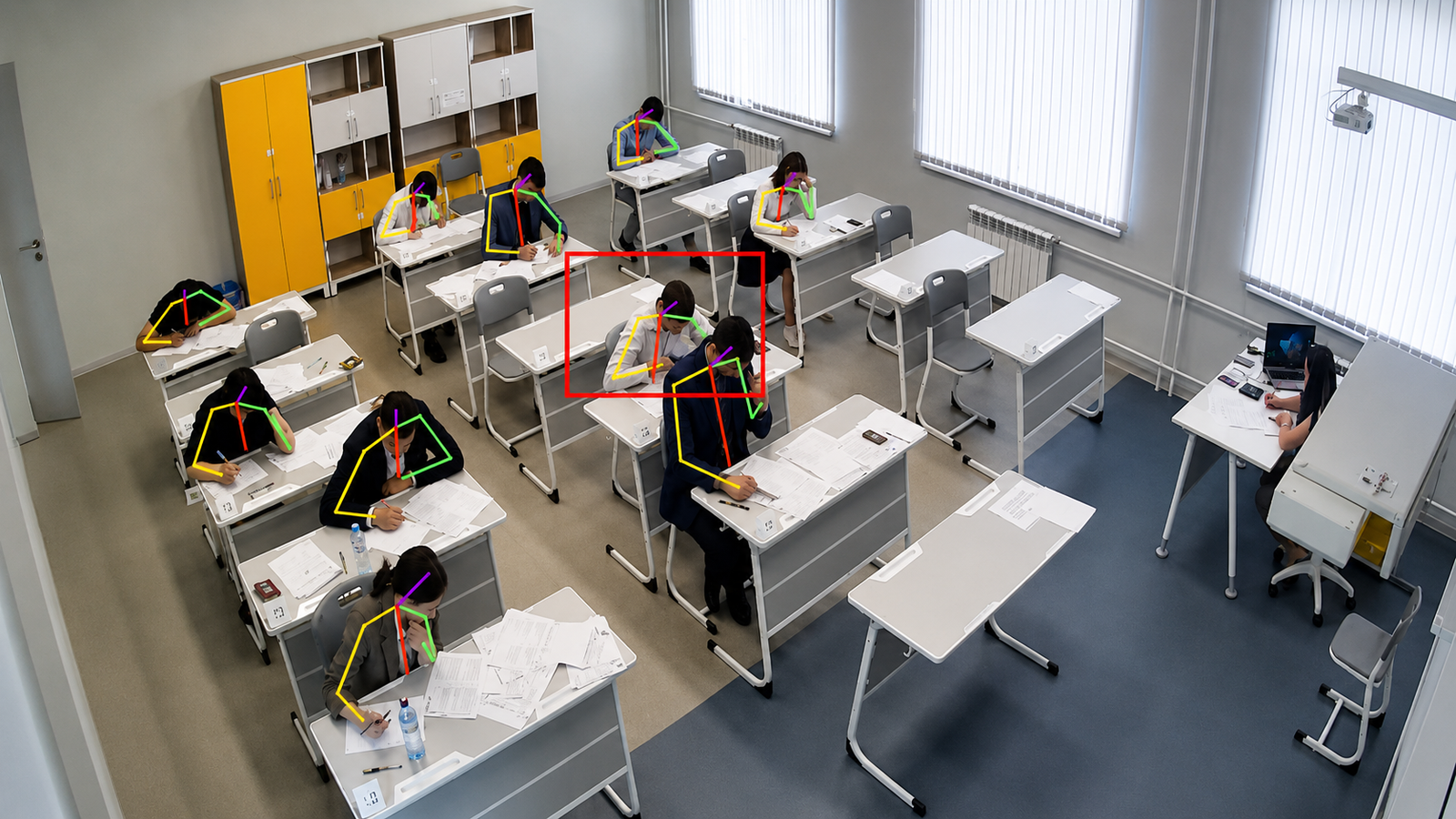
Neural network analytics are also integrated into the system. AI will look for suspicious behavior among participants: the use of phones and cheat sheets, attempts to remove examination materials from the room, and other violations. In real time, algorithms will be able to process video from 300 rooms, and archived recordings from approximately 1 thousand classrooms per day.
Broadcasts will be available to accredited specialists and public observers on the "Smotri EGE" portal. Recordings will be stored in Rostelecom's secure data centers until March 1, 2027, and for backup, data will also be stored locally – on a hard drive or memory card inside the cameras.
In remote regions where stable communication is unavailable, some points will be connected via RTKOMM satellite channels. In 2026, this scheme will cover more than 460 educational institutions in 21 regions. After the exam, recordings will be transferred to the portal using special software.
Rostelecom notes that AI has already shown its effectiveness in the early stage of the USE: the neural network detected a violation in real time, after which the incident was checked by a moderator and staff at the examination point. The participant was disqualified from the exam.
The video surveillance system includes IP cameras with a wide viewing angle, high-quality sound, switches, anti-vandal cabinets, and uninterruptible power supplies. Cameras are installed not only in the classrooms but also in the areas for printing, scanning, and sorting examination materials, as well as in 252 regional information processing centers. However, they do not record personal data or participants' answers.
Read more on the topic:
Never miss our newsAdd this site to your preferred sources to see us more oftenAdd on Google

















