Russian surgeons have presented a solution that could significantly change the treatment of severe wounds. Scientists and practitioners from Kuban State Medical University have created a device that accelerates the healing of large injuries by gradually and controllably bringing the wound edges closer together. According to doctors, this helps avoid many complications and reduces treatment time.
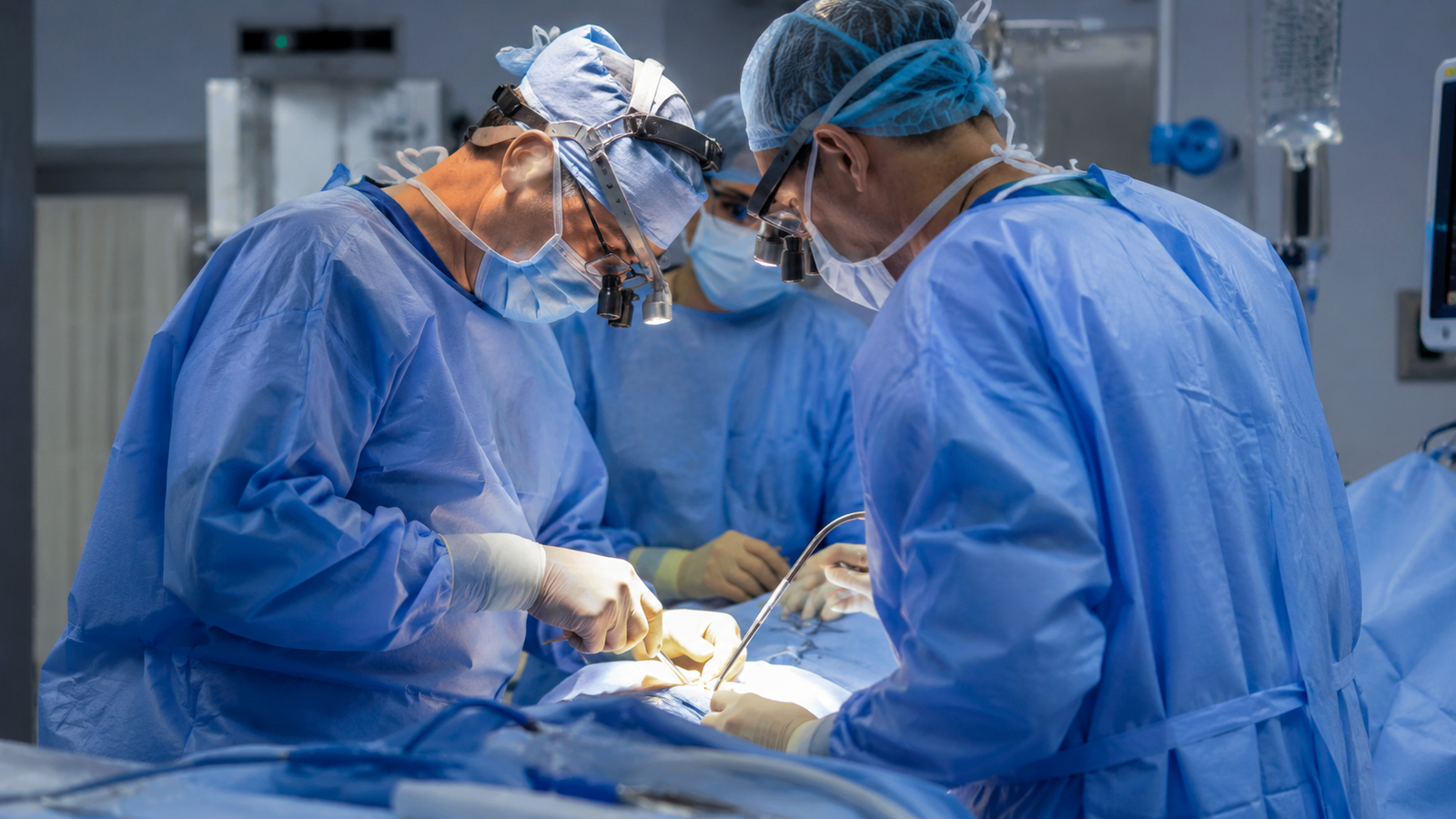
The device helps close large wounds without complex skin grafting operations. It gradually and carefully pulls the edges of the injury together so that the body's tissues heal and close the wound faster on their own. The system automatically controls the tension force to avoid damaging tissues.
One of the main advantages of the development is the automatic maintenance of optimal tension force. This allows the device to be used for different types of wounds and reduces the risk of tissue damage due to excessive tension.
According to the developers, hospitalization times when using the device are reduced by one and a half times – from 31 to 22 days. The period of incapacity for work is halved, and the risk of disability is reduced by 2.5 times.
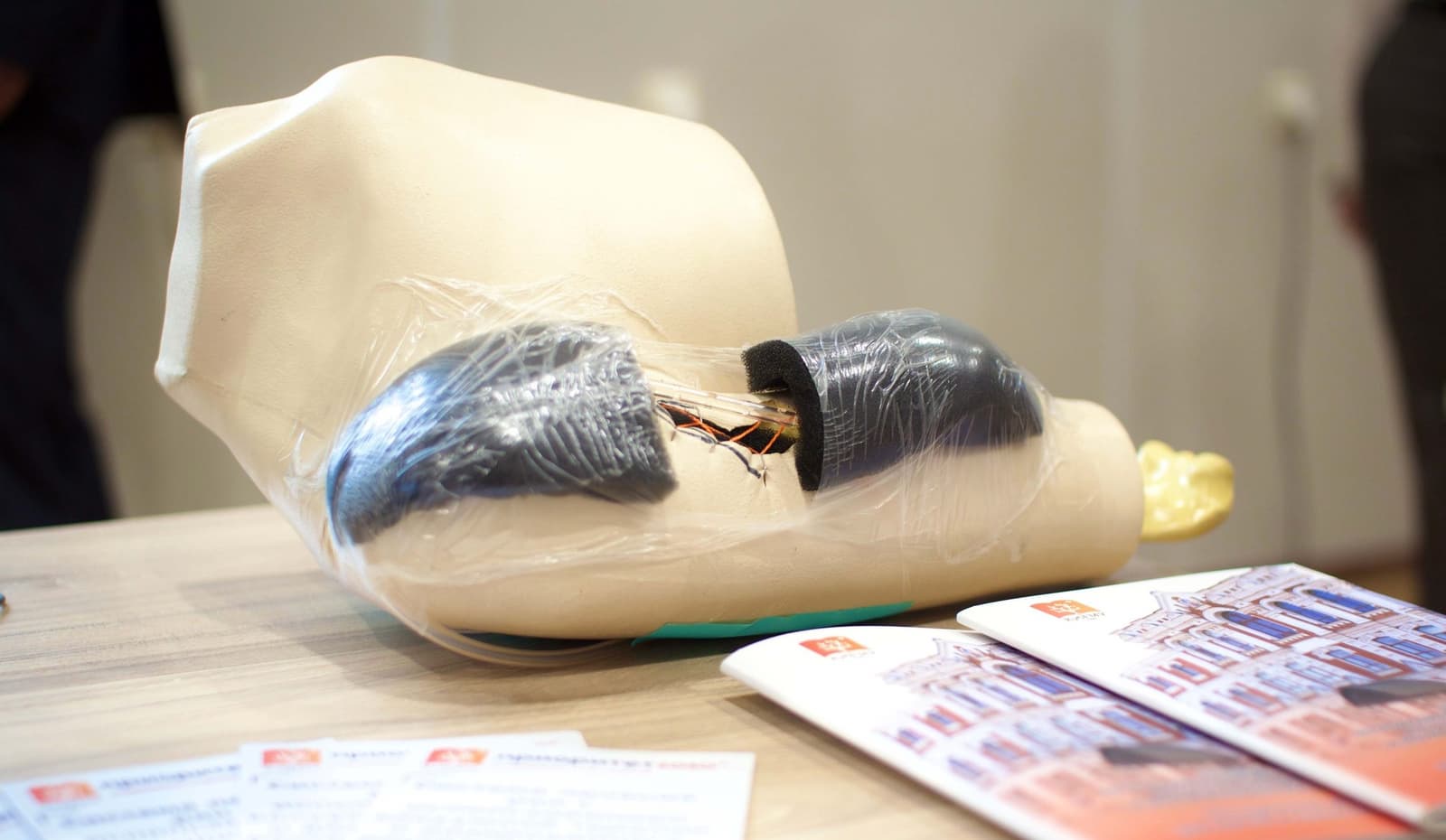
The apparatus can be applied to different parts of the body. In addition, it can be combined with other modern treatment methods, including vacuum therapy.
The developers specifically emphasize the safety of the system. Unlike a number of existing analogues, the tightening threads are placed outside the wound. This helps reduce trauma to deep tissues and internal organs.
Currently, the development is at a high stage of readiness – T5. According to the project authors, the device surpasses many foreign analogues due to automated tension control, which is absent in a number of existing solutions.
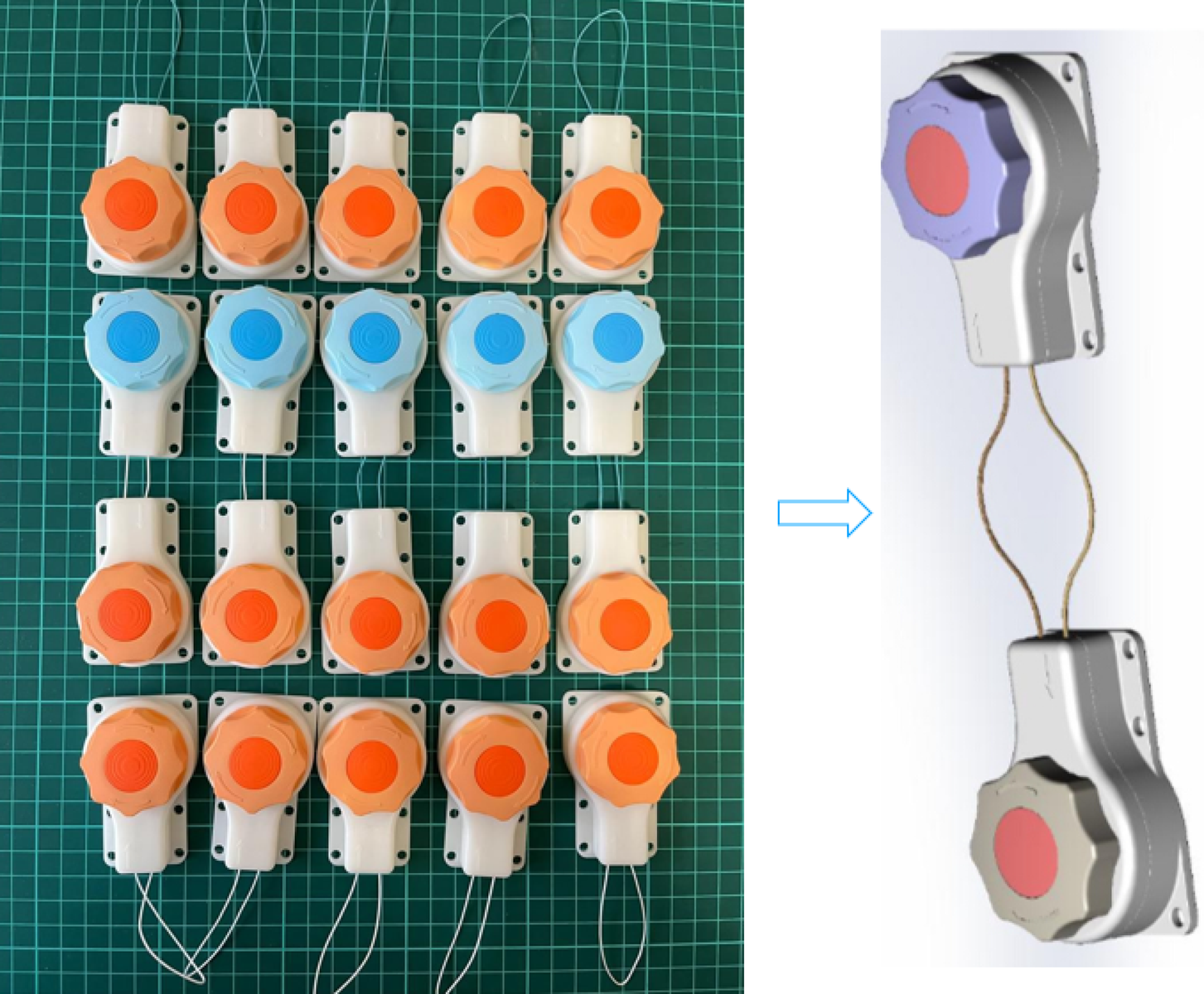
The project is moving to the next stage of implementation. Registration of the device as a medical product has already begun. Clinical trials are expected to start in the coming months. Widespread implementation of the technology in medical practice could begin within two to three years.
Specialists from Sechenov University, MIPT, Research Institute-KKB No. 1 named after Professor S. V. Ochapovsky, and City Hospital No. 4 of Sochi also participated in the project. The project was created within the framework of the Russian Ministry of Education and Science program "Priority-2030".
Read more on the topic:
Never miss our newsAdd this site to your preferred sources to see us more oftenAdd on Google

















