Translated with AI from the Russian original.
Moscow authorities have approved new regulations for courier services, placing every delivery person under digital control. As reported by the capital's Department of Transport, the impersonal accounting system has been replaced by an address-based model: data on verification, movement speed, and location are accumulated in a unified system in real time. Every day, couriers in Moscow deliver more than 700,000 orders, and from now on, every vehicle and every performer is identified.
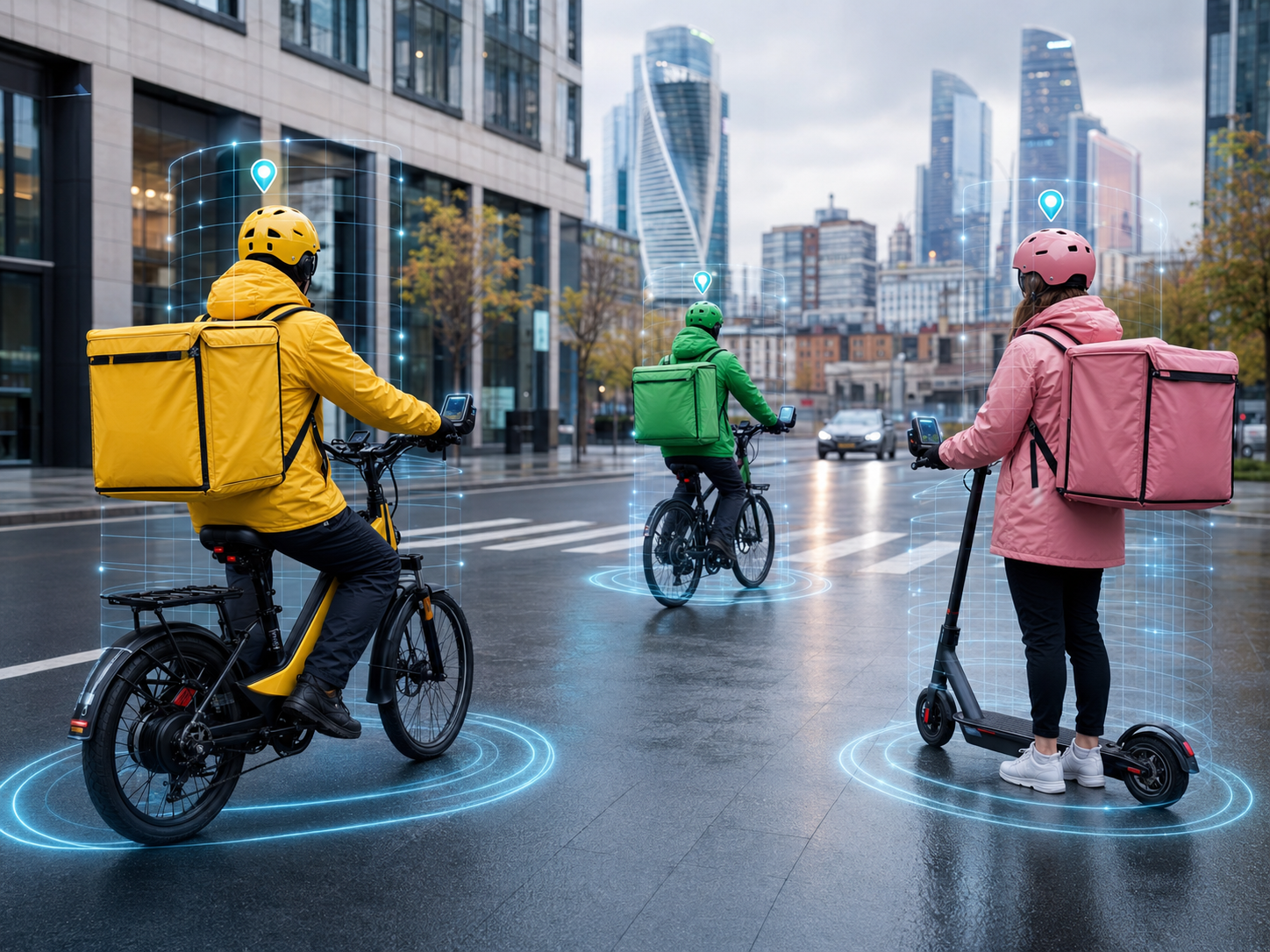
Technical supervision is ensured by the mandatory implementation of IoT modules. They forcibly limit the speed of scooters, bicycles, and mopeds to 25 km/h, making it impossible to ignore "slow zones."
Before starting a shift, a courier must undergo photo control: upload photos of their face, uniform, bag, and vehicle. Penalties are provided for violations: a fine of up to 5,000 rubles for individuals, up to 200,000 for legal entities, as well as temporary or permanent account blocking.
The identifier may be removed if the courier has not familiarized themselves with the regulations or has been absent from the system for more than six months.
According to Deputy Mayor Maxim Liksutov, over two years of working under a unified standard, the level of trust of Muscovites in courier services has grown to 80%. The new system eliminates anonymity, turning every delivery person into a personally responsible road user.
In fact, the city has created a precedent for comprehensive digital supervision of the entire industry: from automatic recording of violations to remote blocking. This is not just a tightening of rules, but a shift of the express delivery market to controlled transparency, where any violation is focused on a specific performer.
Read more on the topic:
Never miss our newsAdd this site to your preferred sources to see us more oftenAdd on Google

















