Russian military personnel have begun using experimental laser air defense systems against drones. However, these systems have serious limitations, REN TV reported.
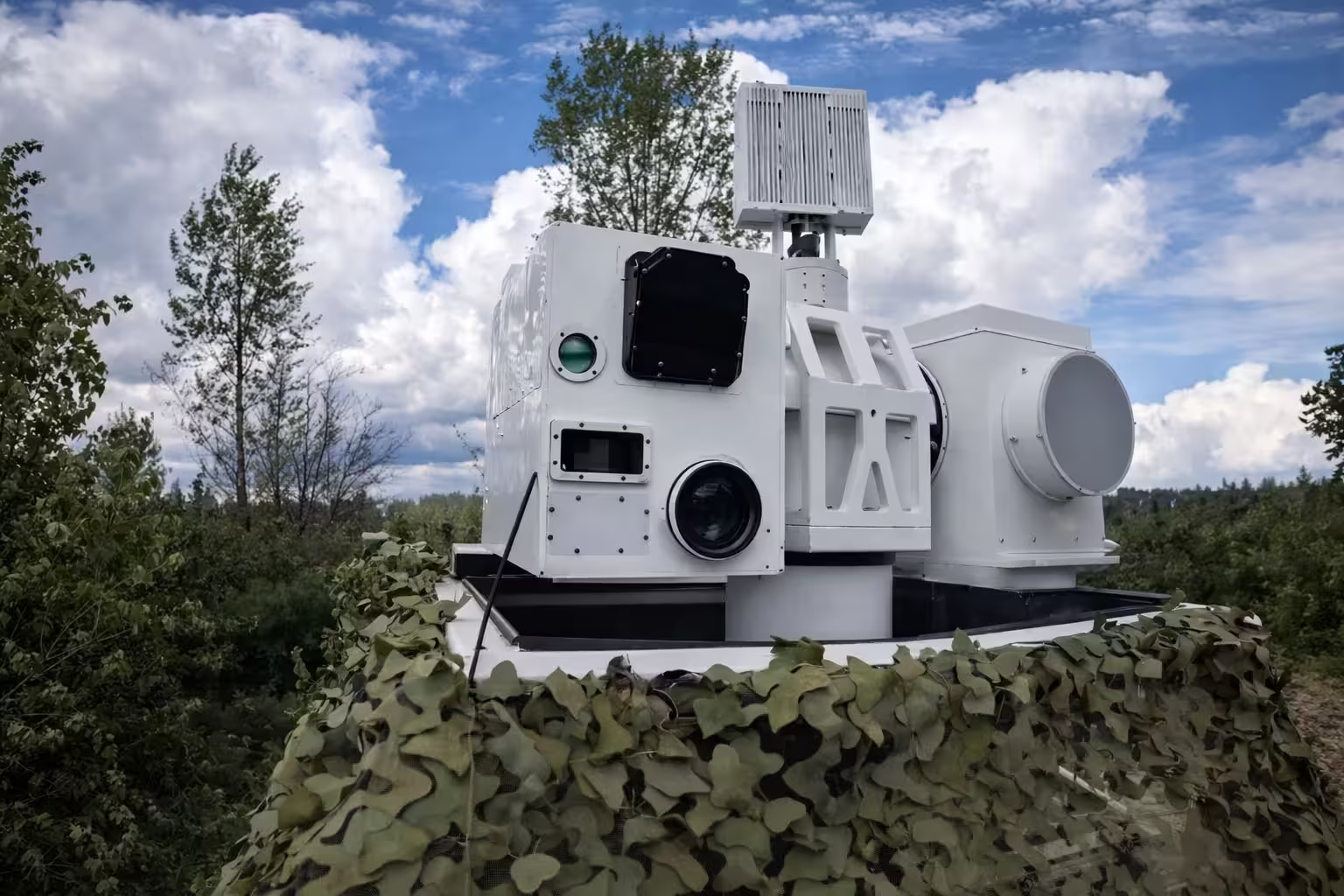
The main problem is cooling the system after each shot. Unlike classic air defense systems, a laser cannot continuously fire at a large number of targets without pauses.
Laser weapons are indeed effective against drones in good weather, but their capabilities sharply decrease during rain, fog, or dense haze. Atmospheric interference reduces the range and accuracy of target engagement.
In addition, after each shot, the system needs time to cool down. For round-the-clock protection of strategic objects, this is still more of an experiment than a real weapon.
A 32-megawatt laser destroys targets at a distance of up to 4 km, focusing several laser beams on one target, and it burns up. We use them episodically as an experimental base.
Laser air defense is being created as part of the "Posokh" project. To increase efficiency, the system was integrated with radar, which allows for more accurate detection and tracking of "birds". According to the latest information, during tests, it was possible to achieve a range of 1.5 km.
Read more on the topic:
- FPV drones will be destroyed in three seconds: the "Posokh" laser counter-UAV system will be refined
- The "Posokh" project's laser demining system was tested in Russia
- LazerBuzz for the first time showed a prototype of the complex for destroying drones of the "Posokh" project
Never miss our newsAdd this site to your preferred sources to see us more oftenAdd on Google

















