On April 27, 2026, an anomalous snowfall occurred in Moscow and the Moscow region, catching many motorists off guard who had already switched from winter to summer tires. The Hydrometeorological Center declared an orange level of weather danger — this means a real threat of natural disasters and material damage.
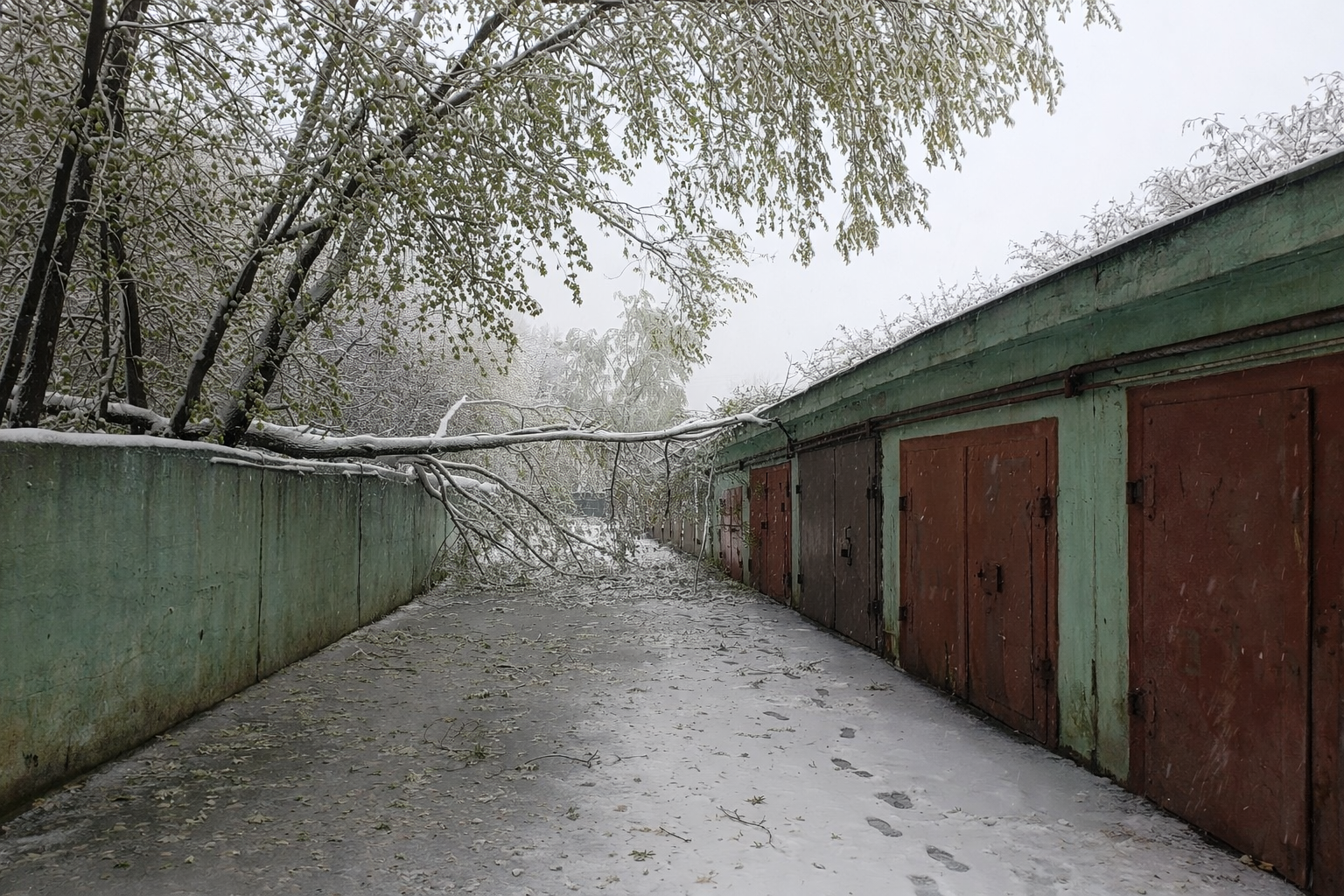
From the night of April 27, wet snow with gusty winds up to 23 meters per second began in the capital. By morning, the snow cover reached five centimeters, visibility on the roads dropped, and ice formed on the asphalt. The Moscow Department of Transport announced in advance that the bad weather would last until the evening of April 28 and recommended drivers with summer tires to temporarily refrain from personal trips.
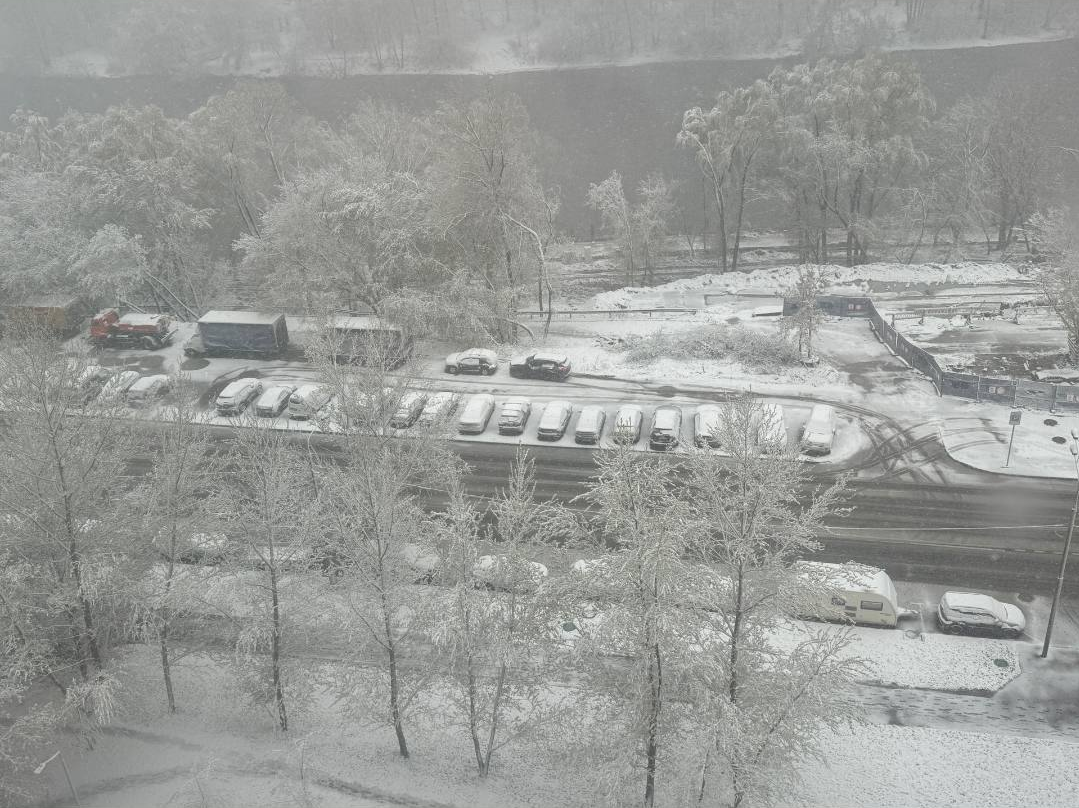
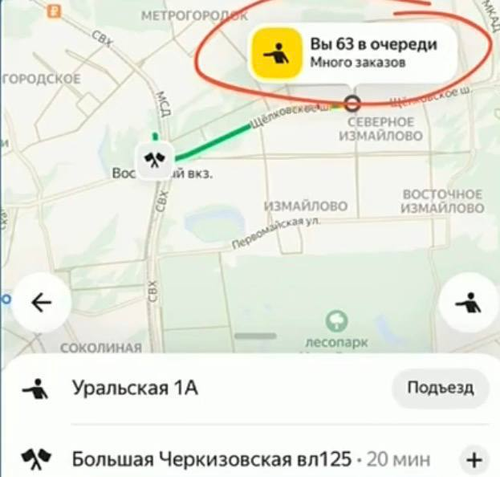
Summer tires do not provide grip on snow and ice — braking distance increases significantly, and the car becomes uncontrollable. That is why thousands of Muscovites, who had changed their tires in advance, preferred to go down to the metro. Unfamiliar queues formed at stations for the end of April, and waiting times and taxi prices increased two to three times due to a sharp jump in demand.
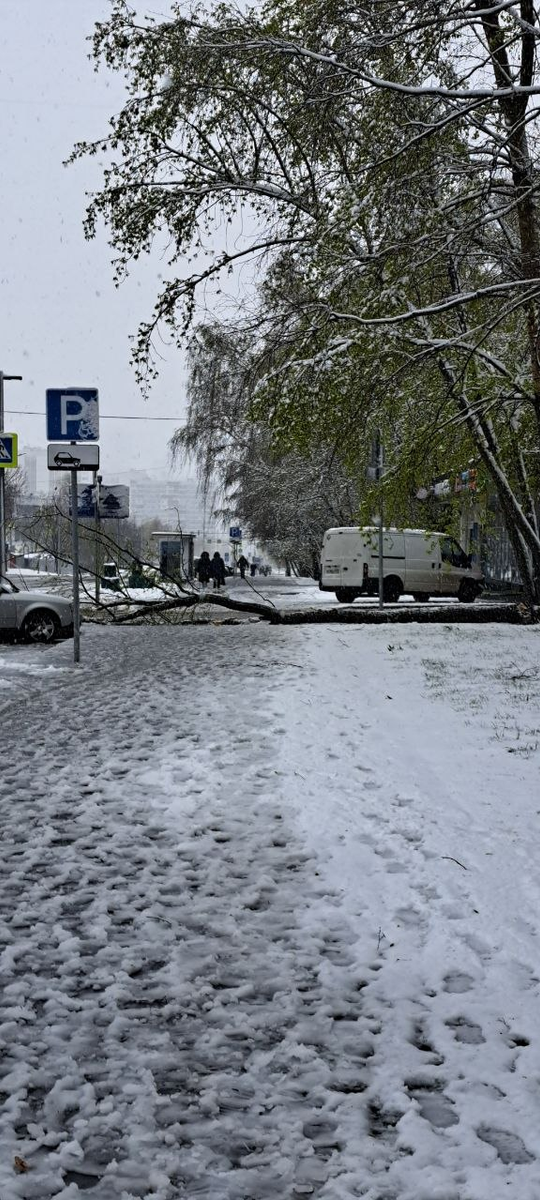
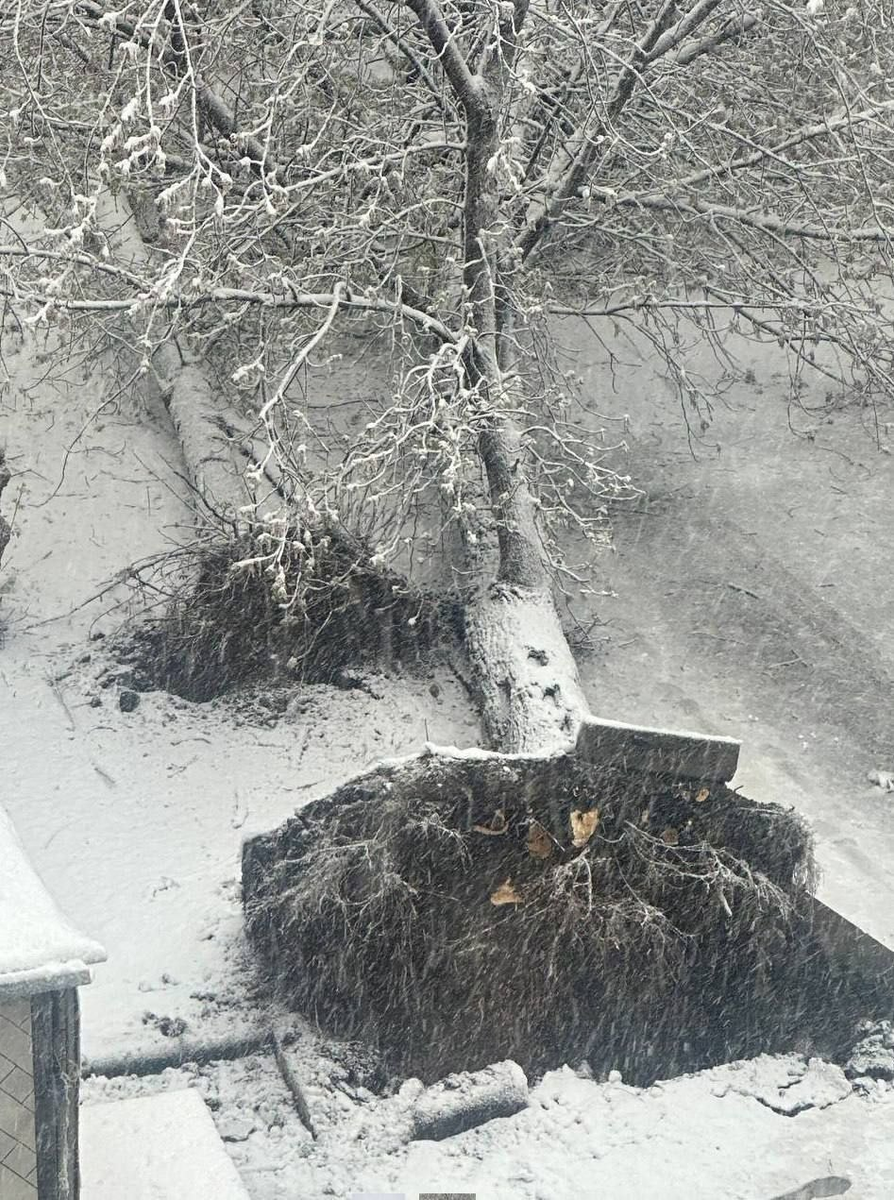
The Hydrometeorological Center noted that the main risk is the adhesion of heavy wet snow to wires and tree crowns. Isolated cases of falling trees have already been recorded, including on metro tracks and parked cars. The City Economy Complex asked residents not to park under trees and, if possible, to avoid walking in areas with dense buildings and old plantings.
Utility services have been put on high alert: equipment is clearing the roadway, and crews are promptly removing fallen branches. The metro has increased train intervals on busy lines to cope with passenger traffic.
If you have already switched to summer tires, postpone your trip or use public transport. If a trip is necessary, reduce your speed, maintain an increased distance, and avoid sudden maneuvers. Winter tires are still more effective than summer tires on wet snow and ice at temperatures around zero.
Read more on the topic:
Never miss our newsAdd this site to your preferred sources to see us more oftenAdd on Google

















