The state is increasing pressure on telecommunications operators: the "Big Four" have been ordered to improve coverage in more than 150 small settlements. Formally, there is communication there, but often only from one operator or with significant interruptions. The work must be completed by March 31, 2027.
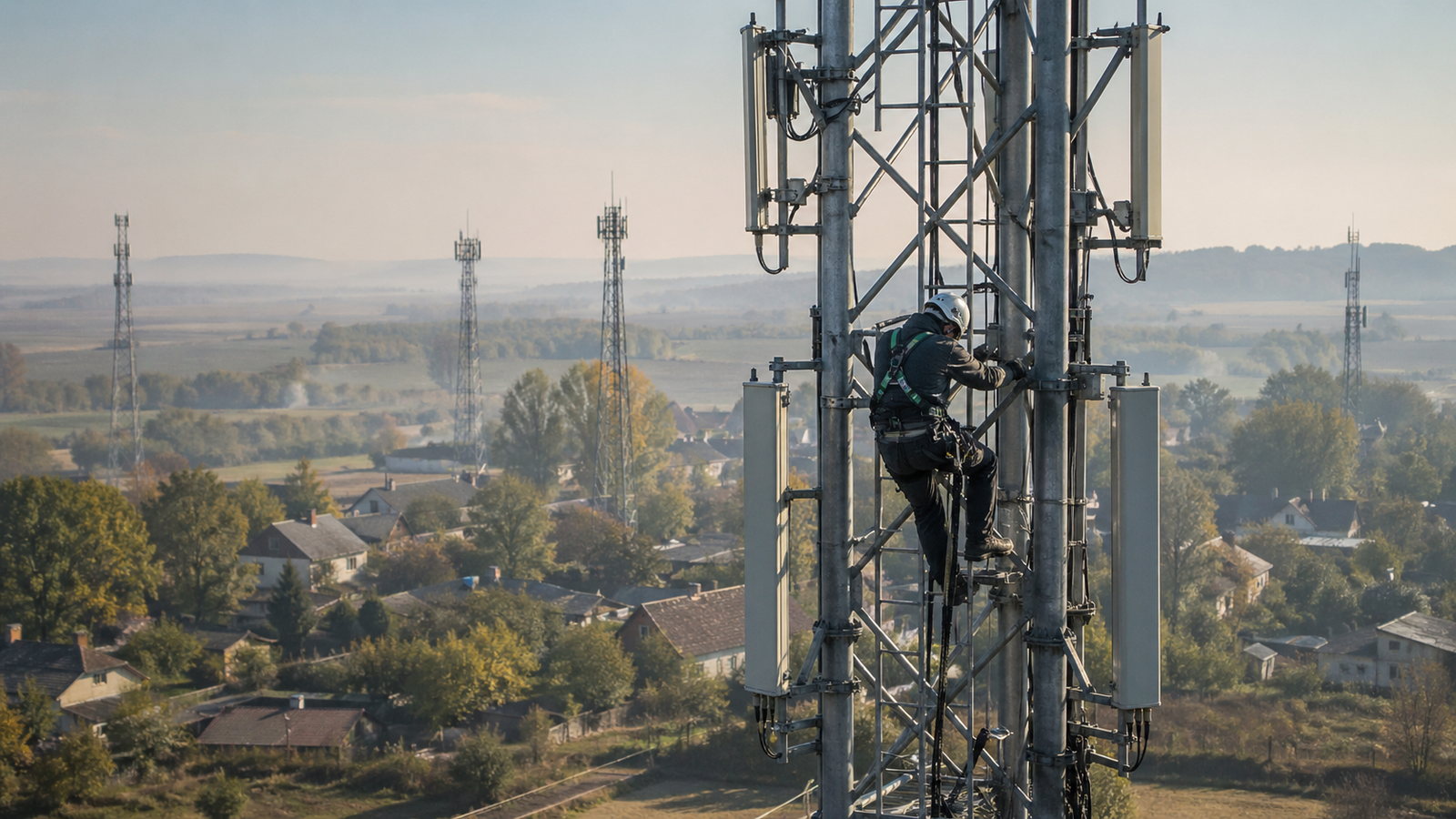
This refers to MTS, MegaFon, VimpelCom, and T2. According to the regulator, MTS currently has no coverage in 68 settlements, T2 in 66, VimpelCom in 12, and MegaFon in 6.
The Ministry of Digital Development emphasizes: there are no settlements with a population of 1,000 people or more completely without communication in the country – at least one operator is present everywhere. But this is not enough: if there is no alternative, the quality of communication and prices are practically unrestrained by anyone.
Now the task is to ensure full competition. Operators must cover settlements of 1,000 residents or more in regions where they have 900 MHz frequencies, and 2,000 or more in the 1800 MHz band. At the same time, the signal must cover at least 90% of the territory of each settlement.
In parallel, the situation with roads was also reviewed: the number of sections of federal highways without LTE increased by more than 70% – to 1426. The reason is simple – many sections lack the necessary energy infrastructure to deploy communication.
The operators themselves assure that they will meet the deadlines. They name joint use of infrastructure as a key tool – this allows for faster network construction and cost reduction.
Experts note that the problem is not technical, but economic. In small settlements, there are few subscribers, and the construction of base stations is expensive and takes a long time to pay off. Sometimes such projects even operate at a loss.
Therefore, previously companies focused on cities and suburbs, where the revenue per user is higher and investments are returned faster. But the development of communication in small settlements was often postponed.
Now the situation is changing: the state is effectively forcing operators to go where it is unprofitable. In return, users get a choice – and therefore a chance for better communication quality without price dictation from a single operator.
Read more on the topic:
Never miss our newsAdd this site to your preferred sources to see us more oftenAdd on Google

















