Russia continues to accelerate the development of nuclear technologies for space projects, despite delays in rocket launches. The head of Rosatom, Alexey Likhachev, said that the state corporation is conducting several promising projects that will provide energy for future space missions.
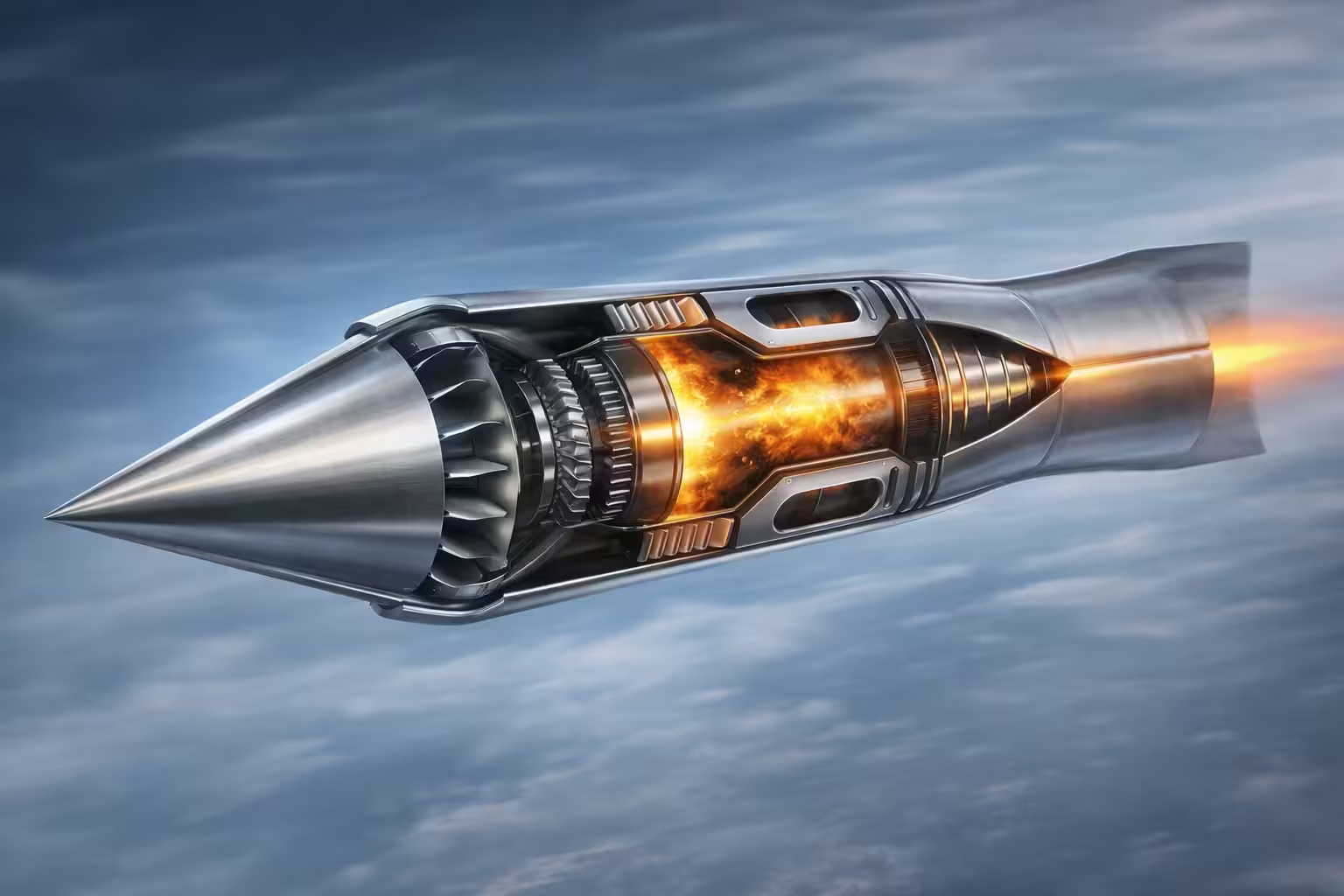
We are talking about systems capable of functioning for decades without maintenance or recharging, which is critical for lunar infrastructure.
If we talk about the future, then this is, firstly, a lunar station with a capacity of up to 10 kilowatts, with a service life of at least 10 years without recharging and with a very small weight. In the future, the task is to create an engine for a heavy rocket, a tractor or a rocket for medium space of a megawatt level.
In addition, the portfolio of projects already includes proven solutions - radioisotope thermoelectric generators. They are used to power space instruments and can operate in the absence of sunlight, for example, in the shadow of the Moon.
The day before, it became known that the launch of the new Russian light-class rocket "Start-1M" has been postponed to 2027, although it was originally planned for 2026.
The launches of several lunar missions at once are also smoothly shifting to the right. The Luna-28, Luna-29 and Luna-30 spacecraft are now planned to be sent to Earth's satellite in the period from 2032 to 2036.
Read more on the topic:
Never miss our newsAdd this site to your preferred sources to see us more oftenAdd on Google

















