Fraudsters have begun actively deceiving Russians, using the "leaked" database of the CDEK delivery service. Scammers call citizens, posing as employees of the service, report on a delivered parcel, name personal data, and ask to dictate the code from the SMS. In reality, this is the password to log into "Gosuslugi," which the victims themselves pass on to the scammers.
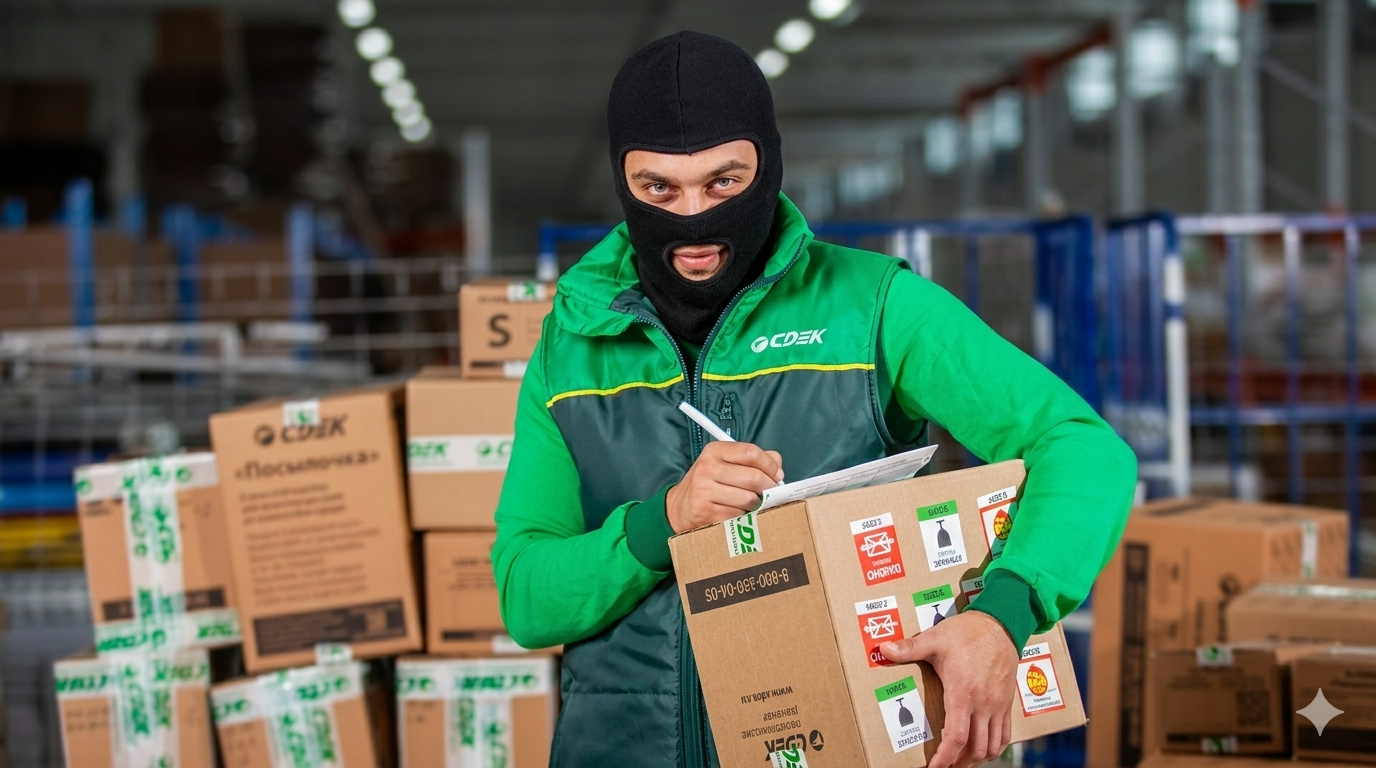
Having gained access to the account, the attackers issue powers of attorney to manage finances and property, after which the victims begin to receive notifications from banks and MFIs about the approval of loans. Next, the scammers contact people, posing as employees of the FSB and Rosfinmonitoring, and under the pretext of "protection" demand the transfer of large sums to safe accounts. In some cases, citizens are involved in illegal activities.
CDEK warns: any links with extra symbols, letters, or numbers between the name and ".ru" are phishing. Do not enter card details on such resources, do not report codes from SMS, and check delivery information only on official websites and in the CDEK application.
Earlier, www1.ru reported about scammers who hack into the accounts of Russians in online stores, study the purchase history, and, under the guise of sellers, offer to buy the same product at a more favorable price, stealing money.
Read more on the topic:
Never miss our newsAdd this site to your preferred sources to see us more oftenAdd on Google