The city of Dolgoprudny in the Moscow Region has officially received science city status. The decision was published by the Russian government and comes into force for 15 years — until 2041.
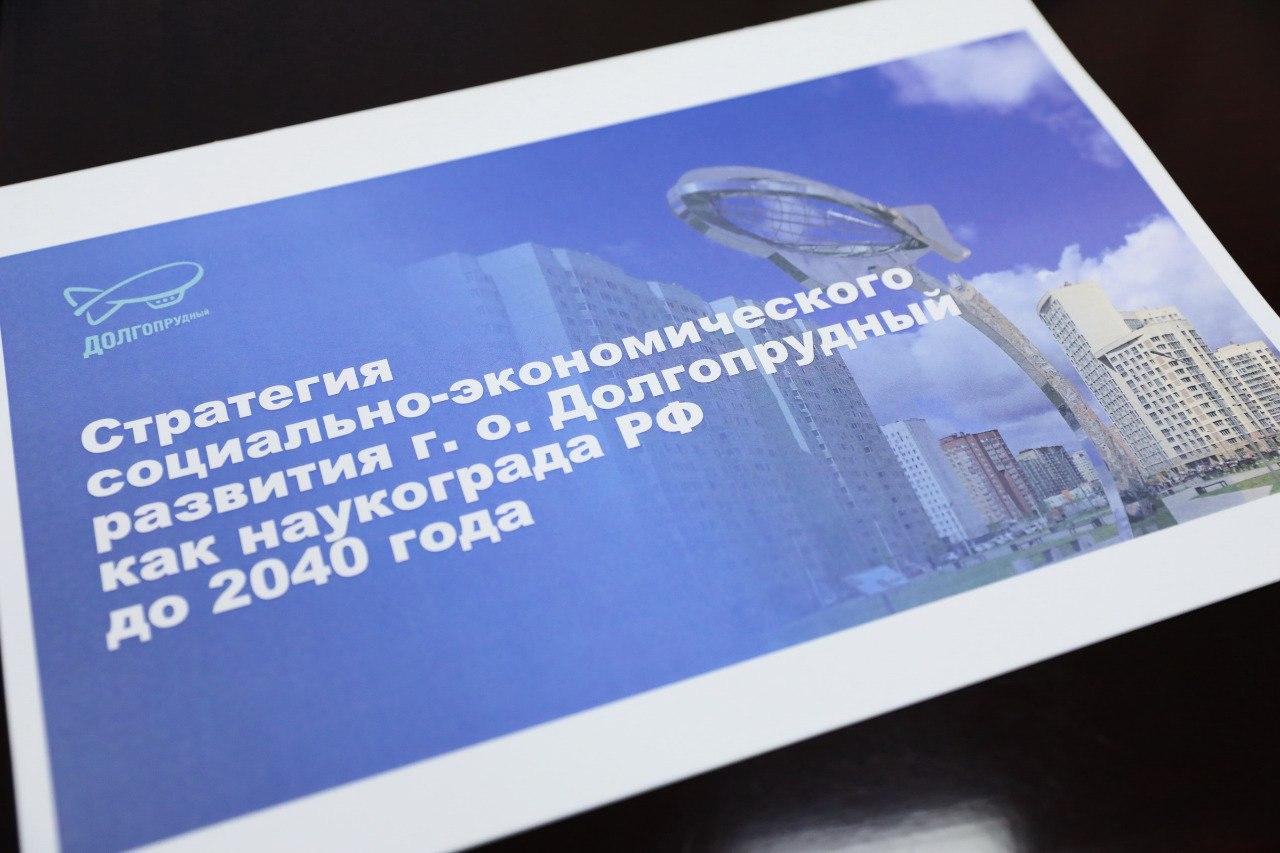
The new status opens up the possibility of federal funding for the operation and modernization of scientific and industrial complexes, as well as for implementing the city’s socio-economic development strategy. Funding will be allocated within the framework of the federal project "Support for Science Cities," which is part of the state program "Scientific and Technological Development of the Russian Federation."
Dolgoprudny is home to the National Research University "Moscow Institute of Physics and Technology" (MIPT), which initiated the creation of the innovative scientific and technological center "Phystech Valley." The center, approved by the government in May 2025, will focus on microelectronics, quantum and biomedical technologies, telecommunications, aerospace research, artificial intelligence, robotics, and unmanned transport.
Dolgoprudny was founded in 1931 and is located north of Moscow. As of the end of 2025, 13 cities in Russia officially held science city status. Granting Dolgoprudny science city status strengthens its position as one of the country’s largest centers of scientific and technological development, opening up new opportunities for investment, innovation, and the training of highly qualified specialists.
Russia now officially has 13 science cities: Dolgoprudny (MIPT, quantum technologies, AI, robotics, aerospace), Obninsk (nuclear power engineering), Korolyov (space technology), Zhukovsky (aviation), Pushchino (biomedicine, genetics), Kirovo-Chepetsk (chemistry), Vorsma (metallurgy and materials), Akademgorodok in Novosibirsk (physics, biology, IT), Zelenograd (microelectronics and IT), Gatchina (biotechnology, pharmaceuticals), Sarov (nuclear research), Tomsk (nuclear and chemical technologies, IT, robotics), and Dzerzhinsk (chemical industry and materials).
Read more materials on the topic:
- Rostekh strengthens Russian aircraft manufacturing
- In Siberia, a beam of electrons with an energy of 3 GeV was successfully transferred into the SKIF storage ring
- MegaFon accelerated internet in Serpukhov — the largest science city in Russia
Never miss our newsAdd this site to your preferred sources to see us more oftenAdd on Google


![Growth Point: After 5G Launch, Mobile Internet in Russia Accelerated by 20%","subtitle":"TelecomDaily recorded an upload speed increase of 19.7%, and download speed of almost 14%","announce":""}[]}],](https://media.ixbt.site/fit-in/320x/ixbt-data/1727896/ai-image-nvgq0a0v5cjnyxwoc8xpelva.webp)