Russian cosmonauts at the International Space Station (ISS) are conducting an experiment called "UV Atmosphere." It aims to study the glows and flashes in the Earth's atmosphere and their connection with geophysical phenomena in the upper atmosphere, ionosphere, and magnetosphere. This was announced by Roscosmos cosmonaut Sergei Kud-Sverchkov.
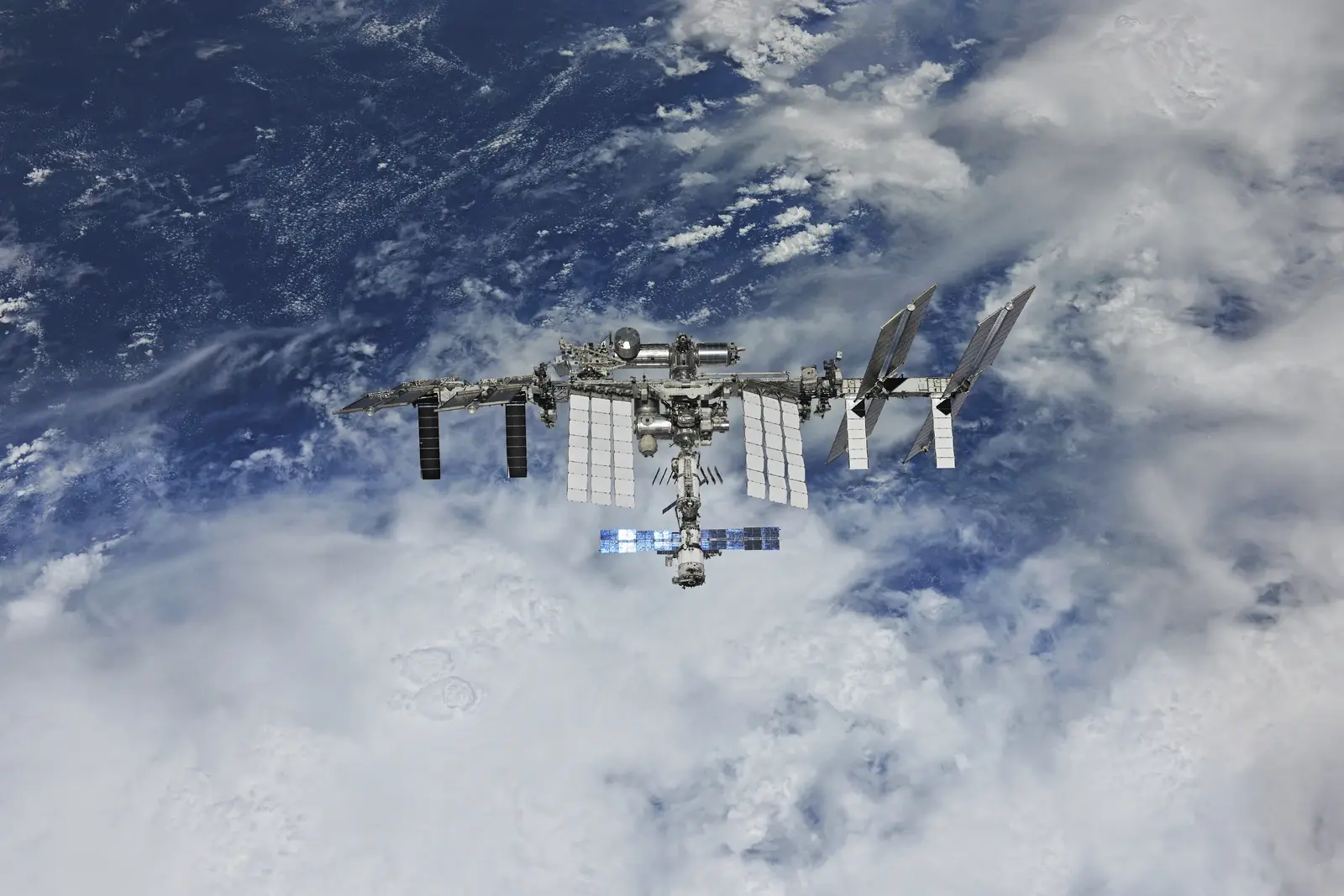
The equipment is unique and allows us to see what is inaccessible to the human eye. The goal of the experiment is to create a map of the Earth's night atmosphere glow in the near ultraviolet wavelength range.
A unique Russian wide-angle detector installed on the porthole is used to implement the experiment. The device combines high sensitivity and extraordinary shooting speed — up to 400 thousand frames per second. This allows you to capture unusually fast events (short-term flashes known as ELVE).
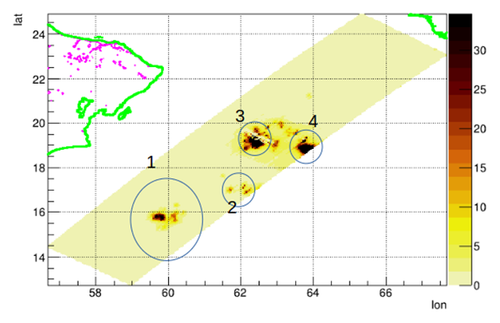
During the experiment, specialists collected extensive data on various regions of the planet, and also registered about 10 thousand meteoroids and micrometeoroids. The information obtained is important for fundamental Earth science and for practical tasks (remote sensing, climate study and monitoring of near-Earth space.
Researchers hope that their work will provide an opportunity to gain new knowledge and improve understanding of the properties of our planet's atmosphere.
Earlier www1.ru reported that the study of plasma on the ISS will become the basis for the development of new engines at MAI.
Read more materials on the topic:
- Plasma injector developed by Russian scientists from MAI has already been delivered to the ISS
- Russian cosmonauts at the ISS are engaged in research on the heart, plasma crystals and the ecology of the Earth
- The "BTN-Neutron-2" experiment was carried out on the ISS: it will help create crew protection for future missions to the Moon and Mars
Never miss our newsAdd this site to your preferred sources to see us more oftenAdd on Google