A radiation storm of level S4 — one of the most powerful in the last two decades — has been recorded in the vicinity of the Earth. The flow of solar protons reached 37 thousand units, which became a record value of the XXI century, reported in the laboratory of solar astronomy of the Institute of Space Research of the Russian Academy of Sciences and the Institute of Solar-Terrestrial Physics SB RAS.
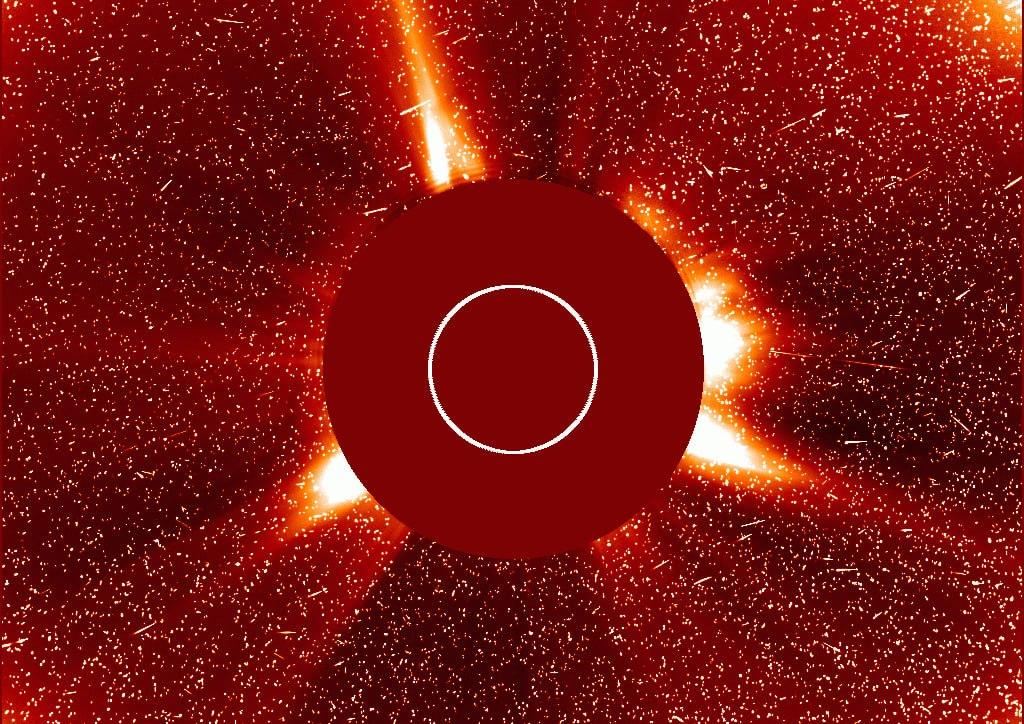
According to scientists, the flux of particles with energy above 10 MeV exceeded 10,000 pfu and continued to grow, reaching more than 30,000 units in the evening of January 19. The last time such powerful radiation was observed was in October 2003, when an X17.2 level flare caused the largest magnetic storm of the XXI century. Level S5, which is theoretically considered the maximum, has never been recorded in the entire history of observations.
It just hit the Earth (around 22:37 Moscow time on January 19). It took 15 minutes between passing the Lagrange point L1 and arriving at the planet (1.5 million kilometers). This means a speed of about 1700 km/s.
Experts note that energy particles from the Sun are completely blocked by the magnetic field and atmosphere of the Earth, so they do not pose a danger to the surface of the planet. However, satellites and spacecraft are now experiencing extreme loads. Radio electronics in such devices are created taking into account radiation resistance, but at such high levels of radiation, temporary failures and data loss are possible.
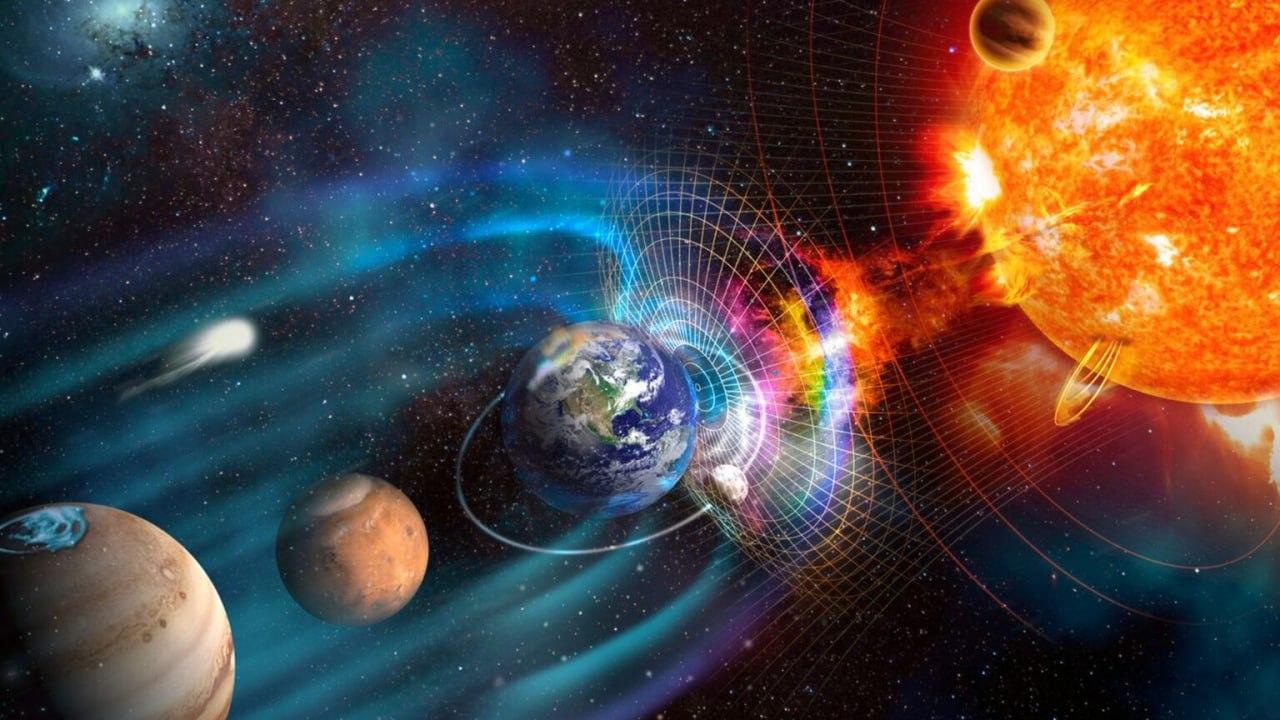
According to the NOAA classification, a radiation storm of level S4 is accompanied by risks for astronauts during spacewalks and can create a radiation hazard for crews and passengers of aircraft flying at high latitudes. For satellites, problems with memory, orientation and reduced efficiency of solar panels are possible. Interruptions in radio communications and errors in navigation systems are also likely.
Scientists call the current events unique for the current solar cycle and note that such high solar activity confirms its entry to the peak of the 25th cycle. In the coming days, strong magnetic disturbances are expected, which can cause auroras at unusually low latitudes and affect the operation of radio systems in the northern regions.
Read more materials on the topic:
- A record flow of solar protons has been recorded — 200 times higher than normal
- A cloud of plasma will hit the Earth: strong magnetic storms will hit the planet on January 20
- Fried Sun will not give rest: the number of magnetic storms will grow until 2028
Never miss our newsAdd this site to your preferred sources to see us more oftenAdd on Google






![Growth Point: After 5G Launch, Mobile Internet in Russia Accelerated by 20%","subtitle":"TelecomDaily recorded an upload speed increase of 19.7%, and download speed of almost 14%","announce":""}[]}],](https://media.ixbt.site/fit-in/320x/ixbt-data/1727896/ai-image-nvgq0a0v5cjnyxwoc8xpelva.webp)