The Samara-based enterprise "ODK-Kuznetsov" (part of the United Engine Corporation of the Rostec State Corporation) is secured with orders for its products until 2027, according to Oleg Vydumlev, Deputy General Director of the enterprise.
He thanked the "ODK-Kuznetsov" team for their hard work and noted that in 2025, the plant fulfilled 100% of its engine production tasks.
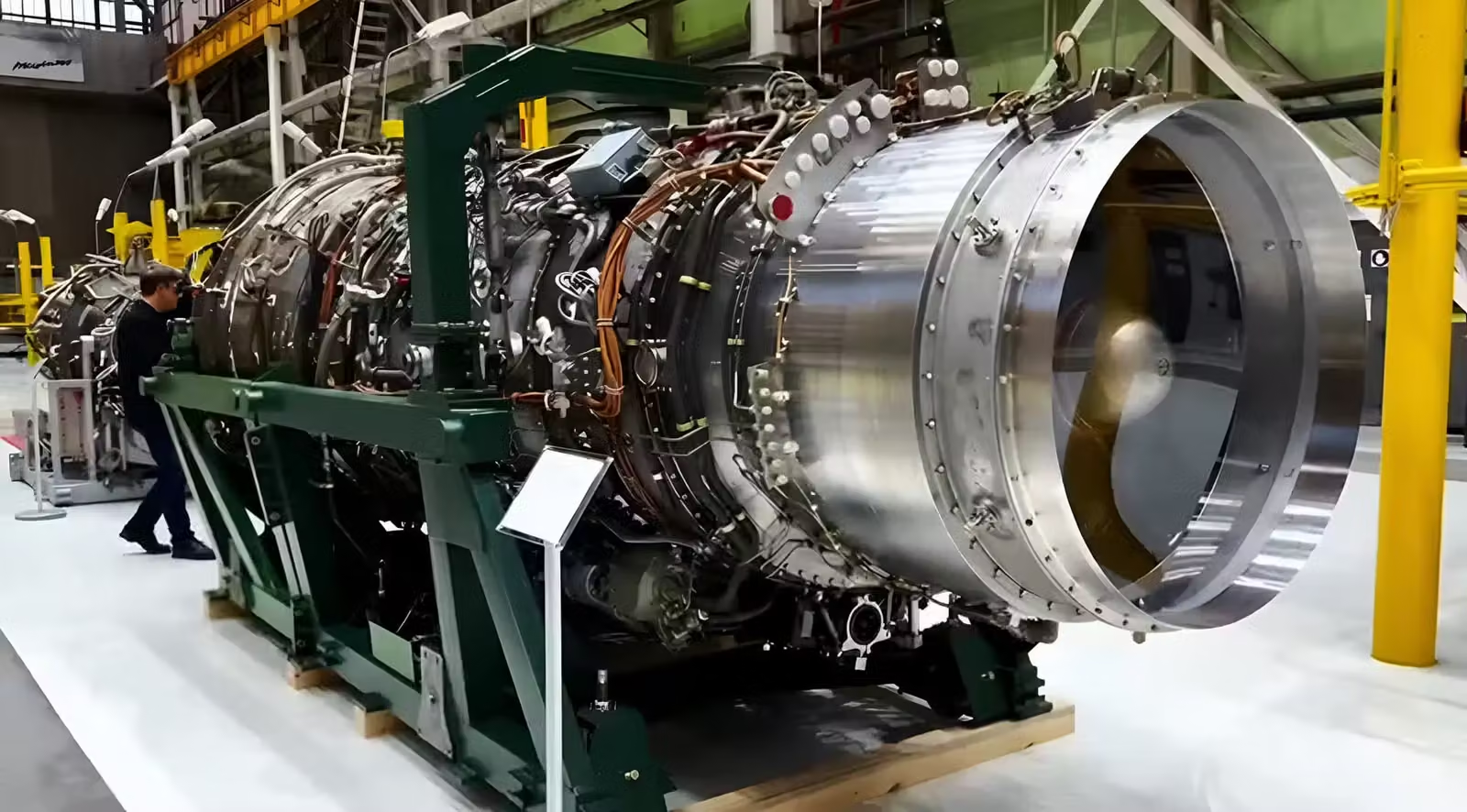
A great deal of work has been done on all programs - both in terms of rocket engines, where increasing production volumes is an important task for the enterprise in 2026, and in terms of industrial gas turbine engines.
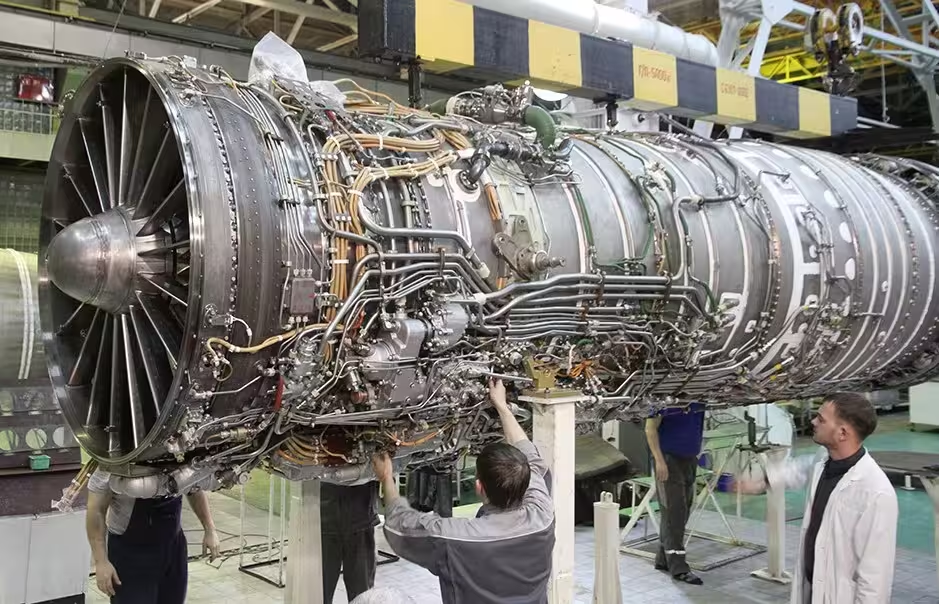
Vydumlev reminded that in 2025, "ODK-Kuznetsov" developed and tested the latest NK-36ST-32 engine with a capacity of 32 megawatts, which has no analogues in Russia. The next stage is the start of serial production of these units.
Our products are in demand, and contracts have been signed until 2027.
It is worth recalling that "ODK-Kuznetsov" specializes in the development, production, and servicing of gas turbine and rocket engines. One of the company's important developments is the NK-32-02 for the Tu-160M strategic missile carrier produced by the Kazan Aviation Plant.
In December, the companycommissioned a state-of-the-art production facility for gas turbine engine compressors.
Read more on this topic:
- "White Swan" Tu-160 Technologies Used in New ODK Engine: Efficiency Increased to 38%
- ODK Showed Tests of RD-107A/108A Rocket Engine: Burns 12 Tons of Kerosene in Minutes
- Russia Develops Hybrid Engine of the Future Based on Hydrogen and Methane
Never miss our newsAdd this site to your preferred sources to see us more oftenAdd on Google

















