Translated with AI from the Russian original.
Start-up operations have begun at the first power unit of the Kursk NPP-2 under construction, Alexey Likhachev, Director General of Rosatom State Corporation, announced in his New Year's address to employees of the nuclear industry. He noted that the launch was the result of the "heroic work" of specialists working at the site in the Kursk region.
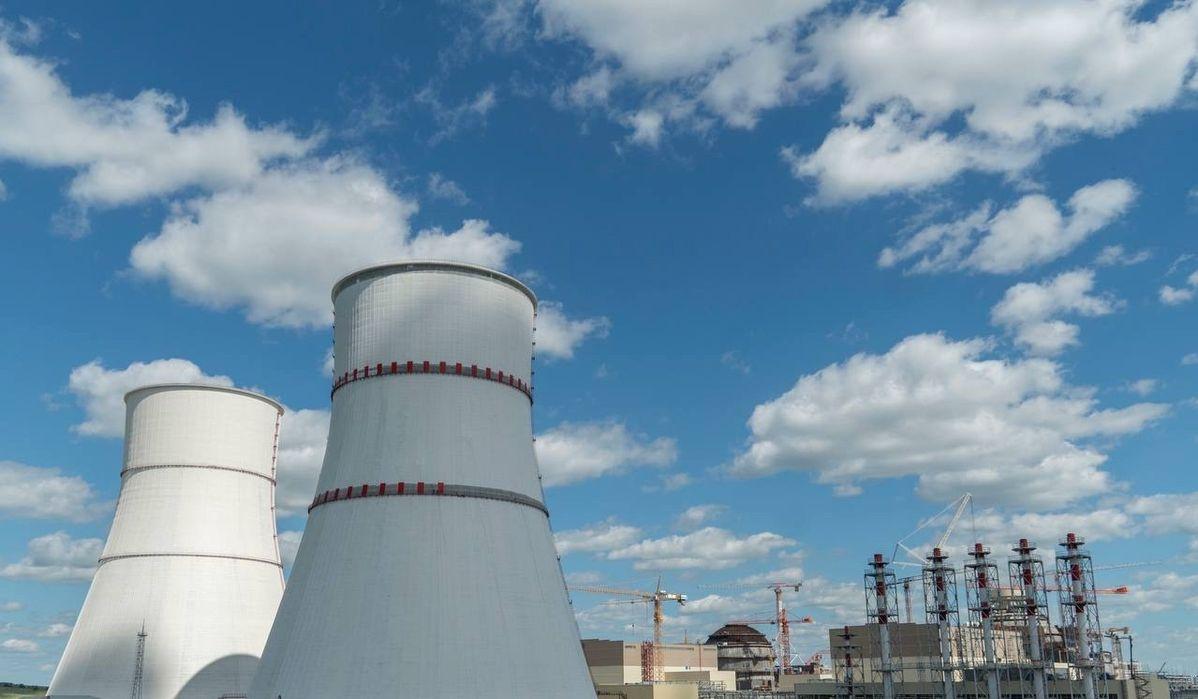
The start of commissioning operations means the station is entering the final stage of construction. At this stage, a comprehensive check of all systems, equipment testing and preparation for the physical start-up of the reactor are carried out. Kursk NPP-2 will be the first station in Russia built according to the VVER-TOI project - a new generation of power units with increased safety and efficiency.
The operating power units No. 3 and No. 4 of the Kursk NPP continue to operate normally, and the first two units, which have worked out their service life, have been stopped without generating electricity. In September 2025, the repair of the fourth power unit was completed ahead of schedule, and in December, Alexander Ivanovsky, General Designer of PJSC "Power Machines", announced plans to launch a low-speed turbine before the end of the year.
Read more on the topic:
- Kursk NPP-2 will start operating before 2027
- Work at Kursk NPP-2 in Kurchatov continues as normal
- Leningrad, Kursk and Smolensk NPPs completed the cobalt-60 plan ahead of schedule
Never miss our newsAdd this site to your preferred sources to see us more oftenAdd on Google

















