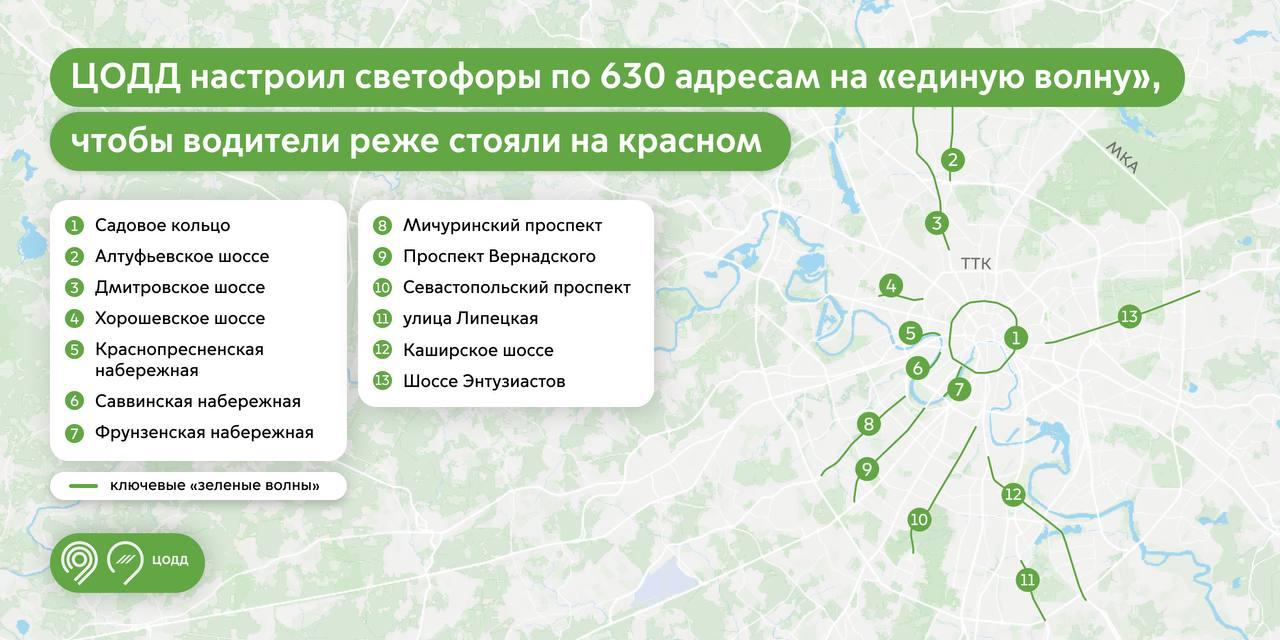
Specialists from the Traffic Management Center (TsODD) have configured traffic lights on 630 streets in the capital to work in a unified rhythm. Now the system coordinates signals, allowing cars to pass several intersections in a row without hindrance. This was announced by Deputy Mayor of Moscow Maxim Liksutov.
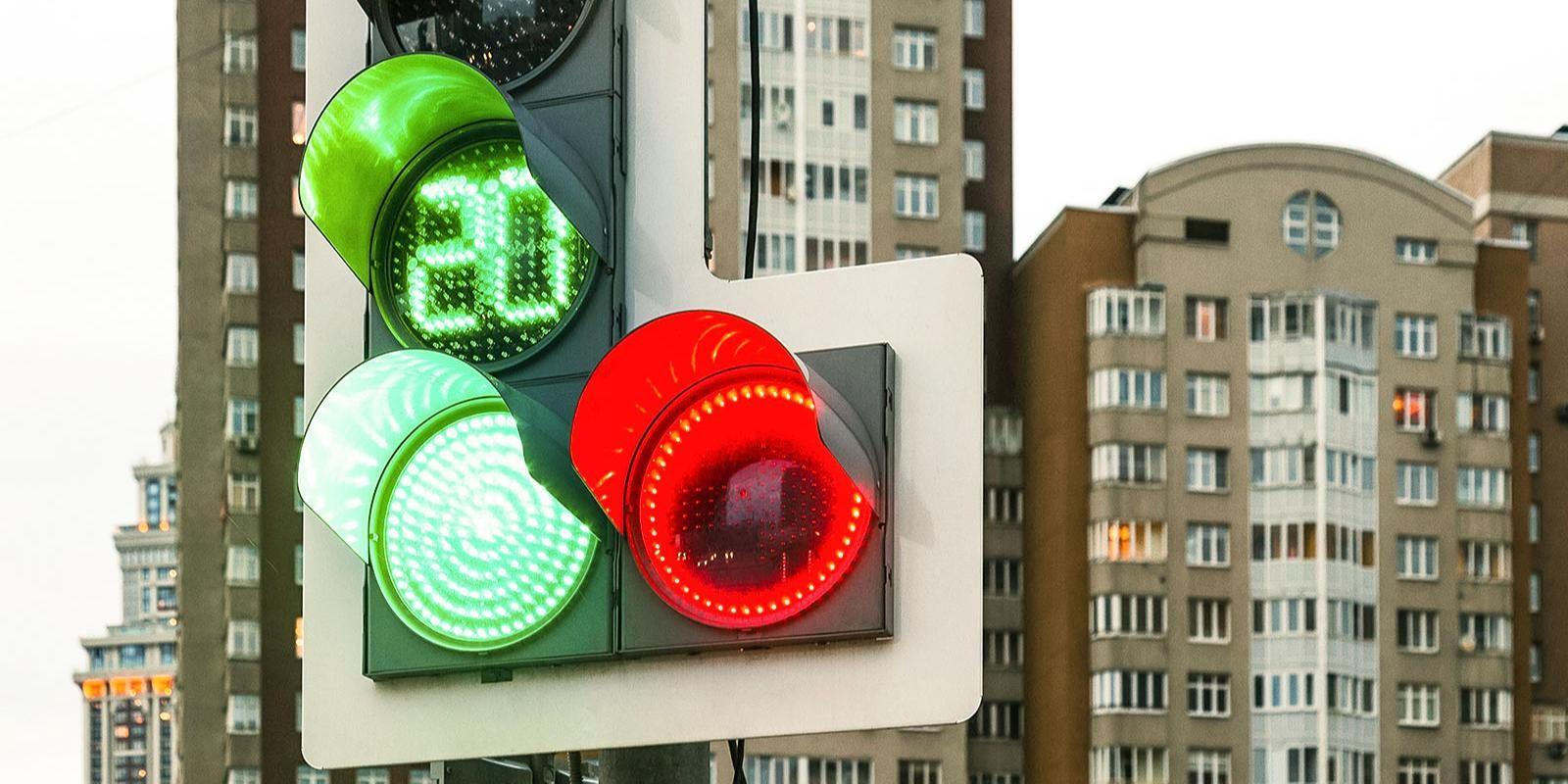
For quick passage at Moscow intersections, TsODD specialists have configured the traffic light mode at 630 addresses. Thanks to the technology, there are fewer local traffic jams in the city, and traffic is distributed more evenly.
In a number of districts, traffic light coordination has been introduced: the devices are connected in a "chain" with the same cycle and turn on the green light in the main directions, the official explained. Thus, cars manage to travel from one intersection to another without stopping.
For example, in Taganskaya Square, two groups of traffic lights exchange signals. This accelerated the exit from the inside duplicate of the Garden Ring and Bolshiye Kamenshchiki Street to the outside - the improvement amounted to 20%.
Read more materials on the topic:
Yandex Maps and 2GIS have learned to show current traffic light signals in Moscow
Traffic lights with a combined phase are being tested in Moscow
New traffic lights with an exclamation mark have appeared in Moscow
Never miss our newsAdd this site to your preferred sources to see us more oftenAdd on Google